
Success is interesting. It’s what you work so hard for, but once you reach it, it can actually hold you back. That’s because success feels comfortable. It’s like a warm blanket that makes it tempting to hit snooze, skip the morning meeting, or believe that yesterday’s win guarantees another one tomorrow.
In business, whether you manage trucks, a construction crew, or a remote team, there’s a real risk called "coasting." This happens when things are running smoothly, clients are satisfied, and you start to relax your efforts just a bit.
But the truth is, great teams don’t coast.
They avoid coasting because they know momentum doesn’t just happen. It’s a choice you make every day. As we’ve talked about in our action manifesto, momentum is fragile. If you’re not building it, you’re losing it.
The Complacency Trap: When "Good Enough" Isn't
Complacency quietly hurts small businesses. It doesn’t arrive with a big warning. Instead, it shows up as a "close enough" attitude. Maybe a 7:00 AM start time slips to 7:10, or timesheets turn into a Friday guessing game instead of being updated in real time.
When a team starts coasting, they stop aiming to win and just try not to lose. They focus on holding onto what they have instead of pushing for more. This change in mindset is when they start to lose their edge. If you’ve read about how growth makes everything bigger, you know that small moments of complacency can quickly grow.
Great teams stay on top by never settling for "good enough." They approach each day as if they still have something to prove. They value every minute and make sure to use their time wisely.
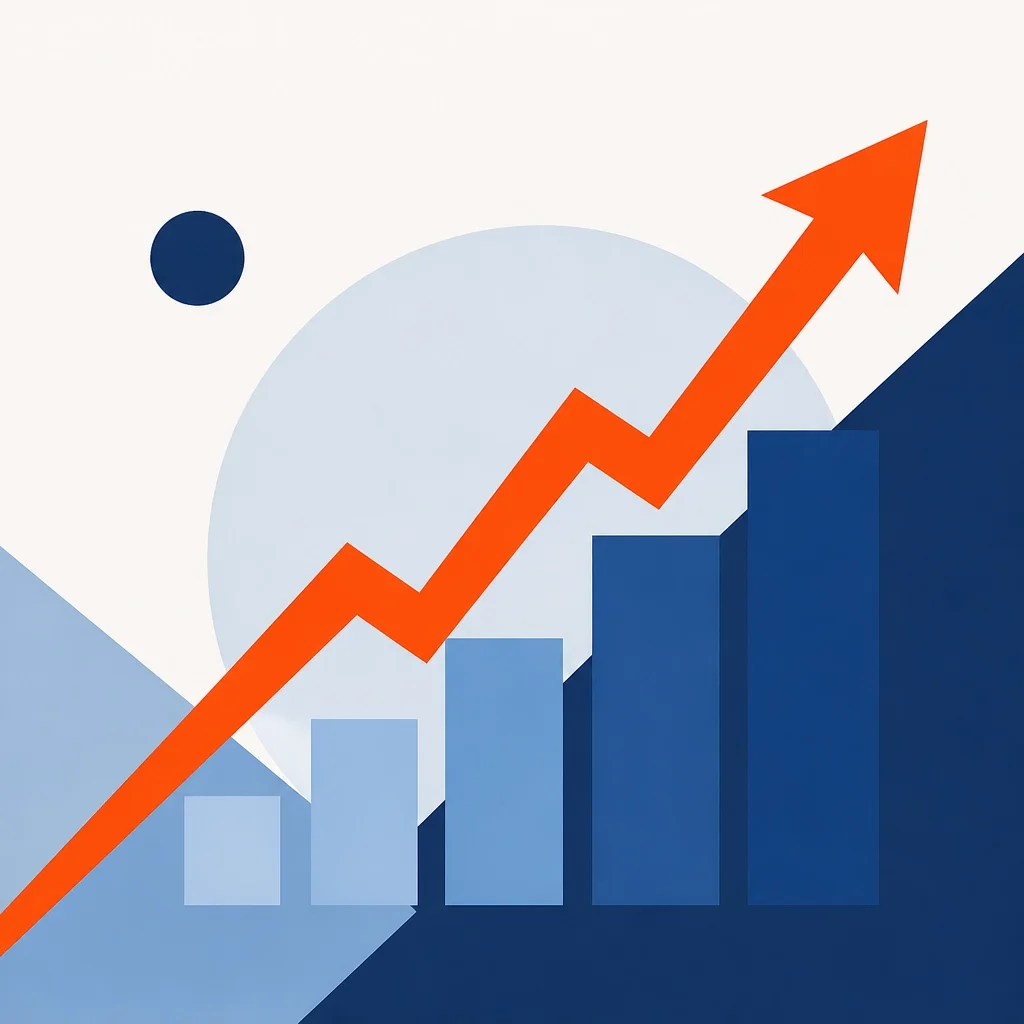
Momentum is a Choice, Not a Feeling
People often think of momentum as something that just pushes you forward. In reality, momentum comes from doing lots of small, disciplined actions over and over.
Imagine a heavy flywheel. At first, it’s tough to move. You push and it hardly moves. But if you keep at it, it starts to turn and eventually picks up speed. If you stop pushing, though, gravity and friction slow it down right away.
For a team, "pushing the flywheel" looks like:
Clear Communication: Never assuming everyone knows the plan.
Extreme Ownership: Taking responsibility for mistakes before they become habits.
Continuous Improvement: Looking at a successful project and asking, "How do we make the next one 1% better?"
The best teams don’t wait for motivation. They use their systems to keep going, even when motivation is low. This is why doing the work always beats just planning it. What matters is what you actually track and finish.
Visibility: The Antidote to Coasting
You can’t fix problems you don’t notice. Coasting often happens when no one is watching or when there’s no clear direction. That’s why top teams focus on making everything visible.
When you use a team management app or a GPS time clock app, you’re not just "watching" your team. You’re giving them a clear scoreboard. Just like athletes need to see the clock and score to stay focused, a field crew needs to know their time and attendance are being tracked accurately.
A time clock with GPS check-ins takes away the chance to hide. It’s not about micromanaging; it’s about keeping the high standards your team has set. When everyone knows that facts matter more than guesses, they work differently. There’s real pride in seeing a clear, accurate record of a hard day’s work.
Labor Sync helps maintain this edge by offering:
Real-time Visibility: Know exactly who is on-site and when.
Automated Timesheets: Eliminate the "Friday afternoon scramble" and ensure accuracy.
Remote Employee Monitoring: Keep the same high standards for your office staff and your field crews.
Keeping the Edge: Practical Habits for High-Momentum Teams
If you think your team is starting to coast, you don’t need a huge culture change. Just bring back accountability and a sense of urgency to your daily routine.
Check the small details: Are people checking in on time? Are your attendance notes detailed enough? If you spot a problem, fix the root cause by improving the system, not just the symptom.
Celebrate your wins, then get back to work: When you finish a big job, enjoy the moment, but don’t let it lead to a week of slow progress. Recognize the success, then set the next clear goal right away.
Use technology to your advantage: Don’t depend on memory or paper. Let time tracking software handle the routine tasks, so your team can focus on real work.

The Future Belongs to the Disciplined
The difference between a company that just gets by and one that really succeeds often comes down to momentum. Teams that show up, track their time, and push past "good enough" are the ones that end up leading their industry.
Coasting feels easy, but it doesn’t get you anywhere. Building momentum is tough, but it’s the only way to create lasting success.
At Labor Sync, we create tools for teams that don’t settle. Our remote employee monitoring and GPS tools help turn accountability into a real advantage. We believe that when a team has clear direction and real-time data, there’s no limit to what they can achieve.
Don't let your team lose. Keep your team sharp. Choose momentum.