Building a Strong Off-Season Strategy
Winter's coming. For seasonal business owners, that usually means one thing: time to hunker down and wait for spring. But what if I told you the off-season could be your secret weapon for crushing next year's goals?
Smart business owners know that slow periods aren't dead time: they're preparation time. While your competitors are hibernating, you can be building the foundation for your most profitable year yet.
Related Podcast: Episode 48: Strong Off-Season Strategy
Turn Downtime Into Strategic Planning Time
The off-season is when you finally have breathing room to think bigger than daily operations. This is your chance to tackle the strategic work that gets pushed aside when you're swamped with customers.
Start with a thorough review of last season's performance. Pull your attendance data, project timelines, and employee productivity metrics. Look for patterns: Which weeks were your most profitable? When did overtime costs spike? Where did projects fall behind schedule?
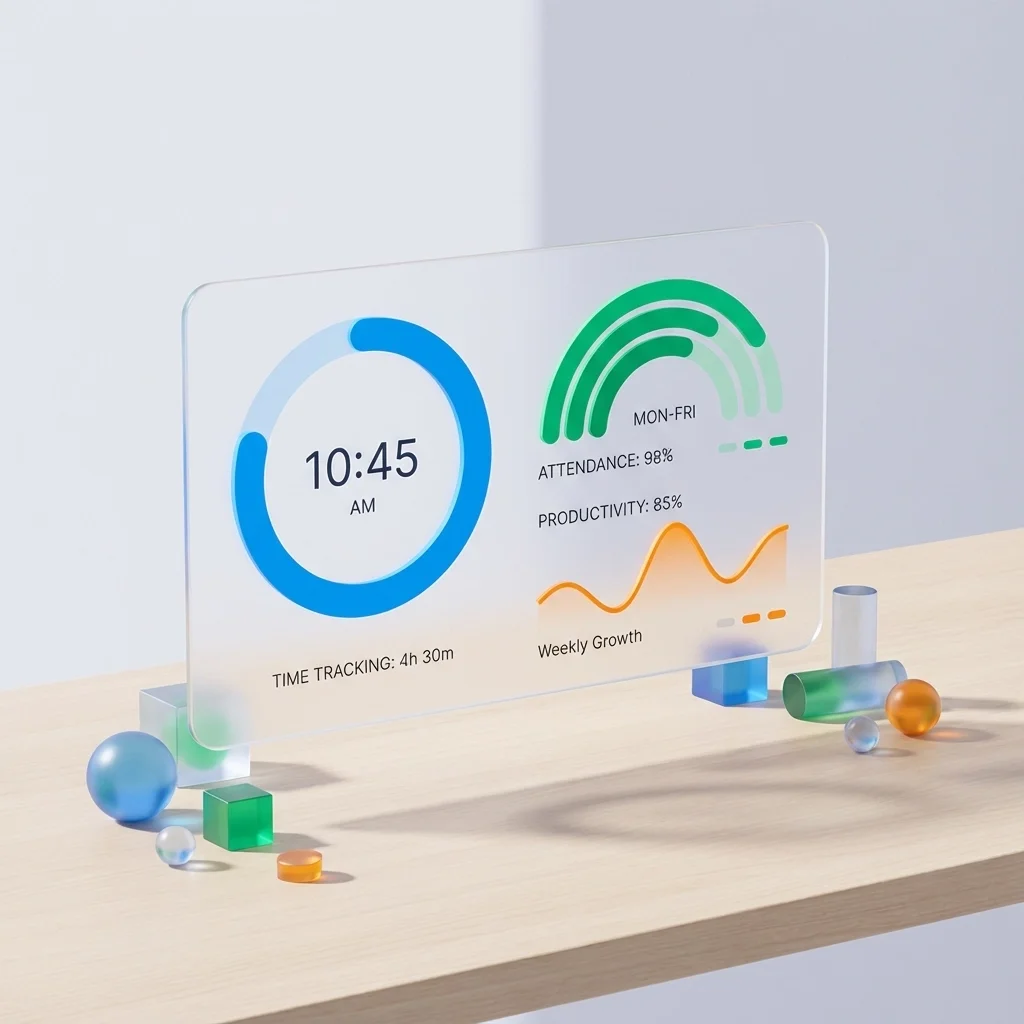
If you're still using paper timesheets or basic punch clocks, this analysis becomes nearly impossible. Digital time tracking systems make this data review straightforward, giving you clear insights into labor costs, project profitability, and team efficiency patterns. You can read more about why paper timesheets are holding you back in our detailed breakdown.
Quick Action Steps:
Schedule weekly planning sessions with key team members
Review last season's project profitability by client and job type
Identify your three biggest operational bottlenecks
Set measurable goals for next season's performance
Invest in Your Team's Growth
Your employees are your most valuable asset, but during peak season, there's rarely time for proper training or skill development. The off-season changes that equation completely.
Use this slower period to cross-train employees on different equipment or techniques. A landscaper might learn hardscaping skills, or a construction worker could get certified on new tools. This investment pays off when busy season hits: you'll have a more versatile team that can handle diverse projects.
Don't forget about leadership development either. Building accountability without micromanagement becomes much easier when you've invested time in training supervisors and team leads during the quiet months.
Training Ideas That Work:
Safety certification updates and new protocol training
Equipment maintenance workshops
Customer service and communication skills
Project management and scheduling techniques
New technology adoption (yes, including that time tracking app you've been putting off)
Optimize Your Systems and Processes
Remember all those times during busy season when you thought, "We really need to fix this process"? Now's the time to actually do it.
Start with your most frustrating daily tasks. Maybe it's how you track employee hours across multiple job sites, or how you schedule crews for different projects. These inefficiencies cost you money and stress during peak season: but they're fixable during downtime.
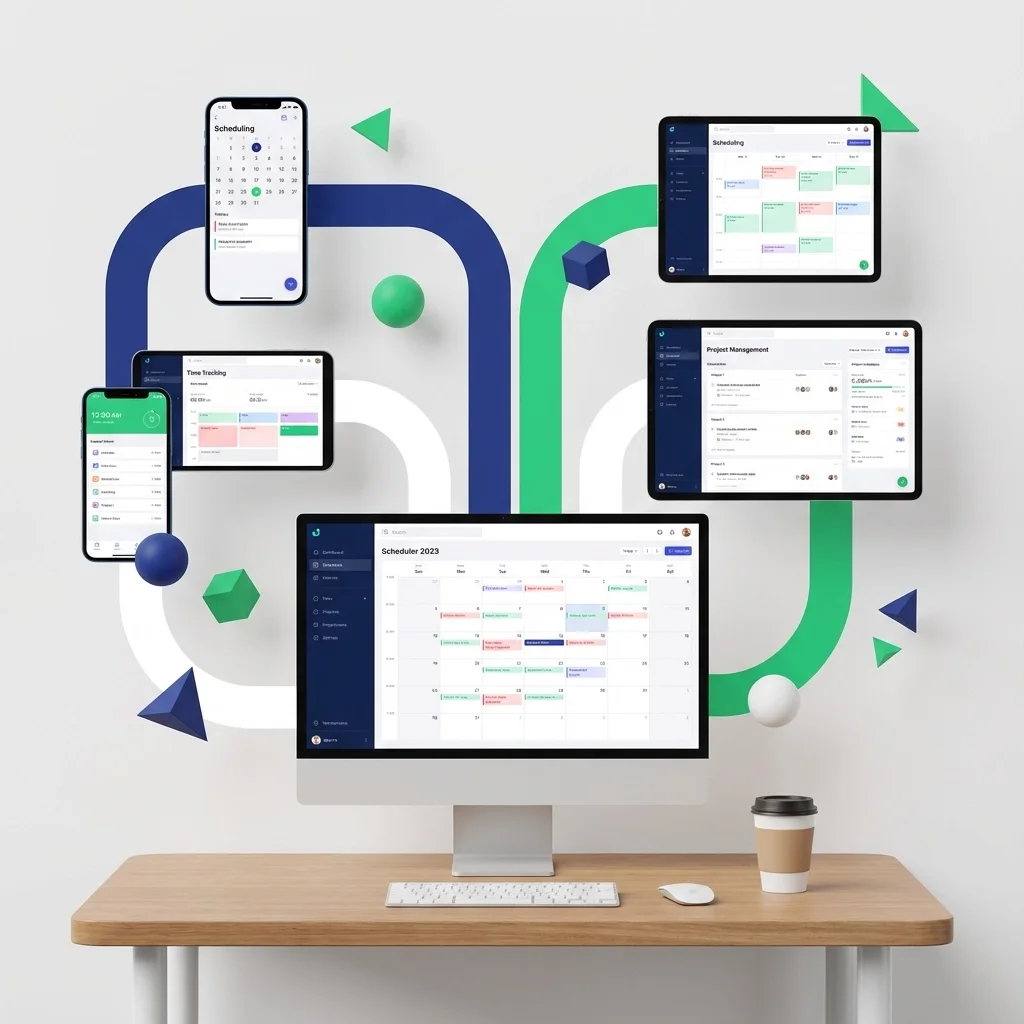
Modern scheduling and time tracking tools can eliminate many common headaches. Instead of playing phone tag to figure out who's available for tomorrow's job, you can see real-time availability and send schedules directly to employees' phones. Instead of chasing down timesheets at the end of the week, you get automatic time tracking with GPS verification.
The key is implementing and testing these systems when stakes are low. The right tools and routines create business discipline that carries you through hectic periods.
System Upgrades to Consider:
Digital time tracking with GPS and photo verification
Automated scheduling that employees can access on mobile
Project cost tracking that updates in real-time
Payroll integration that eliminates double data entry
Customer communication tools for project updates
Strengthen Customer Relationships
Just because the work slows down doesn't mean customer relationships should. The off-season is perfect for deepening connections with existing clients and nurturing leads for next year.
Reach out to past customers with project follow-ups, maintenance reminders, or simple check-ins. A landscaping company might remind clients about winter tree care, while a construction company could suggest planning next year's additions during the slower booking period.
Consider offering off-season services that complement your main business. Landscapers might provide snow removal or holiday lighting installation. Construction companies could focus on indoor renovation projects. These services not only generate revenue but keep your team working and your business visible.
Customer Engagement Strategies:
Send personalized thank-you notes to your best clients
Offer early booking discounts for next season
Create helpful content (like maintenance tips) to share via email
Schedule in-person meetings to discuss larger future projects
Ask for referrals when customer satisfaction is highest
Review and Refine Your Financial Strategy
Peak season often means you're too busy making money to properly track where it's going. The off-season gives you time for thorough financial analysis and strategic planning.
Review your labor costs by project type and employee. Which jobs were most profitable? Where did labor costs exceed estimates? This analysis helps you price more accurately and staff more efficiently next season.
Avoiding burnout while staying consistent often comes down to better financial planning. When you know your true costs and profit margins, you can make smarter decisions about which projects to take and how to price them.
Financial Review Checklist:
Calculate actual labor costs vs. estimates for each project type
Identify seasonal cash flow patterns and plan accordingly
Review equipment depreciation and replacement needs
Analyze overtime patterns and their impact on profitability
Set realistic revenue targets for next season
Prepare for Technology Transitions
If you've been considering upgrading your time tracking, scheduling, or project management systems, the off-season is the perfect time to make the switch. Paper timesheets are dead in 2025, and the sooner you transition to digital systems, the better positioned you'll be for growth.
The beauty of implementing new technology during slow periods is that you can train employees thoroughly and work out any kinks before busy season hits. Your team gets comfortable with new processes, and you can fine-tune workflows without the pressure of active projects.
Labor Sync's reporting features become particularly valuable during this planning phase. You can analyze historical attendance data, identify scheduling patterns, and use these insights to optimize crew assignments for the upcoming season.
Technology Implementation Tips:
Start with a pilot group of employees for new systems
Provide hands-on training sessions, not just instruction manuals
Test integration with existing tools (payroll, accounting, etc.)
Create simple reference guides for common tasks
Get feedback from users and adjust workflows accordingly
Set Up Systems for Scalable Growth
The off-season is when you build the infrastructure for handling more work next year. This means creating systems that can grow with your business rather than band-aid solutions that break under pressure.
Think about your biggest constraints during peak season. Is it finding qualified employees? Managing multiple job sites? Tracking project profitability in real-time? Use the off-season to address these bottlenecks systematically.
For many seasonal businesses, the ability to accurately track time and attendance across multiple locations becomes crucial as they grow. Digital solutions eliminate the guesswork and give you real-time visibility into labor costs and project progress.
Scalability Checklist:
Document your most effective processes for training new hires
Create templates for common project types
Establish clear communication protocols for job sites
Set up automated reporting for key business metrics
Plan hiring timelines for next season's anticipated growth
Your Off-Season Action Plan
The businesses that thrive aren't the ones that work hardest during busy season: they're the ones that prepare smartest during quiet periods. While competitors coast through winter, you can be building competitive advantages that pay off all year long.
Start with one area: maybe it's implementing better time tracking, or training your crew on new skills, or systematically following up with past customers. Pick something that addresses your biggest pain point from last season, and focus on that first.
The key is treating your off-season strategy like any other business investment. It requires time, attention, and sometimes money upfront, but the return comes in smoother operations, happier employees, and better profitability when things get busy again.
Remember, your competitors are probably using this time to catch up on Netflix. That's their choice: and your opportunity.