Startup Owners: The Truth About Going It Alone

You know that moment when someone asks what you do for work, and you proudly say "I own my own business"? There's this little spark in their eyes: part admiration, part envy. They're picturing you sleeping until 10 AM, working in your pajamas, being your own boss, living the dream.
If only they knew the truth.
After helping hundreds of people choose between buying a franchise and starting from scratch, I've noticed something that might surprise you: the biggest regrets don't come from picking the "wrong" business model. They come from picking the model that doesn't match their personality.
And here's what really gets me: most people who dive into the startup world have no clue what they're actually signing up for.
The Freedom Myth That's Crushing Entrepreneurs
Let's get one thing straight: starting a business from scratch isn't "easy mode" with unlimited freedom. It's more like being handed the keys to a plane mid-flight with no manual and told to figure it out.
I've watched brilliant, capable people crumble under the weight of building everything themselves. They thought they wanted freedom, but what they got was chaos wrapped in a bow of endless decisions.
Take Sarah, a graphic designer who left her corporate job to start her own agency. She was tired of office politics and wanted creative control. Six months in, she called me nearly in tears. "I spend more time on invoicing, client contracts, and figuring out which project management tool to use than I do actually designing," she said. "At my old job, I just... designed things."

The reality? Solo founders now make up 35% of all new startups, up from just 17% in 2017. But here's the kicker: 63% of them report burnout symptoms, and over 70% struggle with loneliness. The numbers don't lie: going it alone is getting more popular, but it's not getting easier.
The Decision Overload Nobody Warns You About
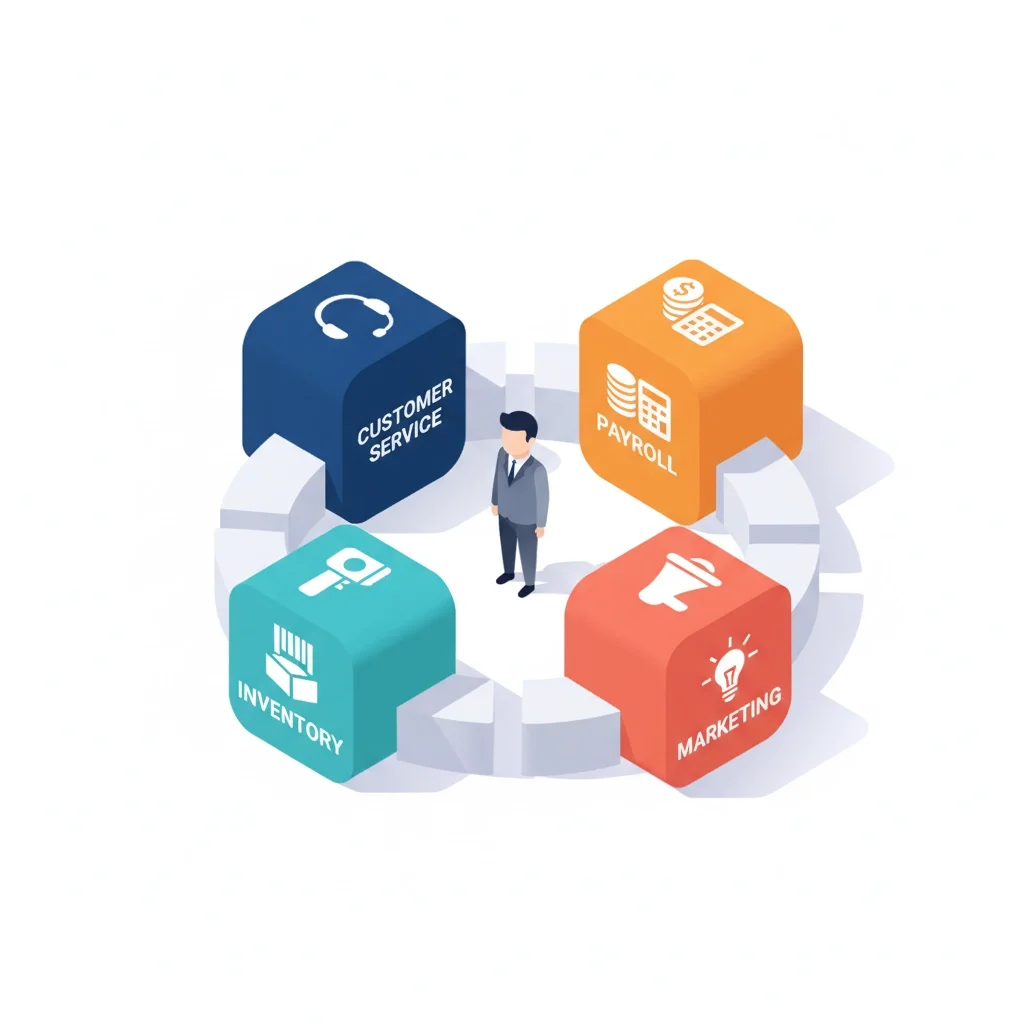
When you start from scratch, you become the CEO, CFO, head of marketing, customer service rep, IT department, and janitor: sometimes all in the same afternoon. Every single business decision lands on your desk, from "What color should our logo be?" to "Should we pivot our entire business model?"
It's what psychologists call decision fatigue, and it's real. Your brain literally gets exhausted from making too many choices. By 2 PM, you're struggling to decide what to eat for lunch, let alone whether to invest in paid advertising or hire a part-time assistant.
Compare this to Tom, who bought a established systems McDonald's franchise. His biggest daily decision? Whether to run a promotion on McFlurries. Everything else: the menu, suppliers, marketing materials, training programs, operational procedures: was already figured out. "I felt like I was cheating," he told me. "But in a good way."
The franchise model strips away about 80% of the decisions that paralyze startup owners. For some personalities, this feels restrictive. For others, it's liberating.
When Systems Become Your Nemesis
Here's something nobody tells you about starting from scratch: you don't just need to create a product or service. You need to create every single system that makes your business run.
Customer onboarding? That's on you.
Payroll process? Figure it out.
How to handle complaints? Good luck.
Inventory management? Hope you like spreadsheets.
I've seen entrepreneurs spend weeks researching time tracking software (sound familiar?), not because they enjoy it, but because they have to build every operational piece from the ground up. It's like trying to bake a cake while also having to invent the oven, grow the wheat, and mine the salt.
Meanwhile, franchise owners get a 200-page operations manual that covers everything from how to answer the phone to how to train new employees. Love it or hate it, the guesswork is eliminated.
The Personality Test You Need to Take
After years of watching people succeed and fail in both models, I've developed an informal test. Before you choose your path, ask yourself these questions:
Do you thrive on rules or rebel against them? If structure makes you feel secure, franchising might be your sweet spot. If rules make you want to break things, you're probably a from-scratch person.
How do you handle ambiguity? Starting from scratch means living in permanent uncertainty. There's no roadmap, no proven formula. Some people find this exhilarating. Others find it paralyzing.
What energizes you more: creating or executing? Love building something from nothing? Startup life might suit you. Prefer taking a proven concept and making it successful? Franchising could be your jam.
How do you deal with loneliness? This one's huge. Solo entrepreneurs report isolation as their biggest challenge. Franchise owners, on the other hand, have built-in communities and support networks.
The Money Reality Check
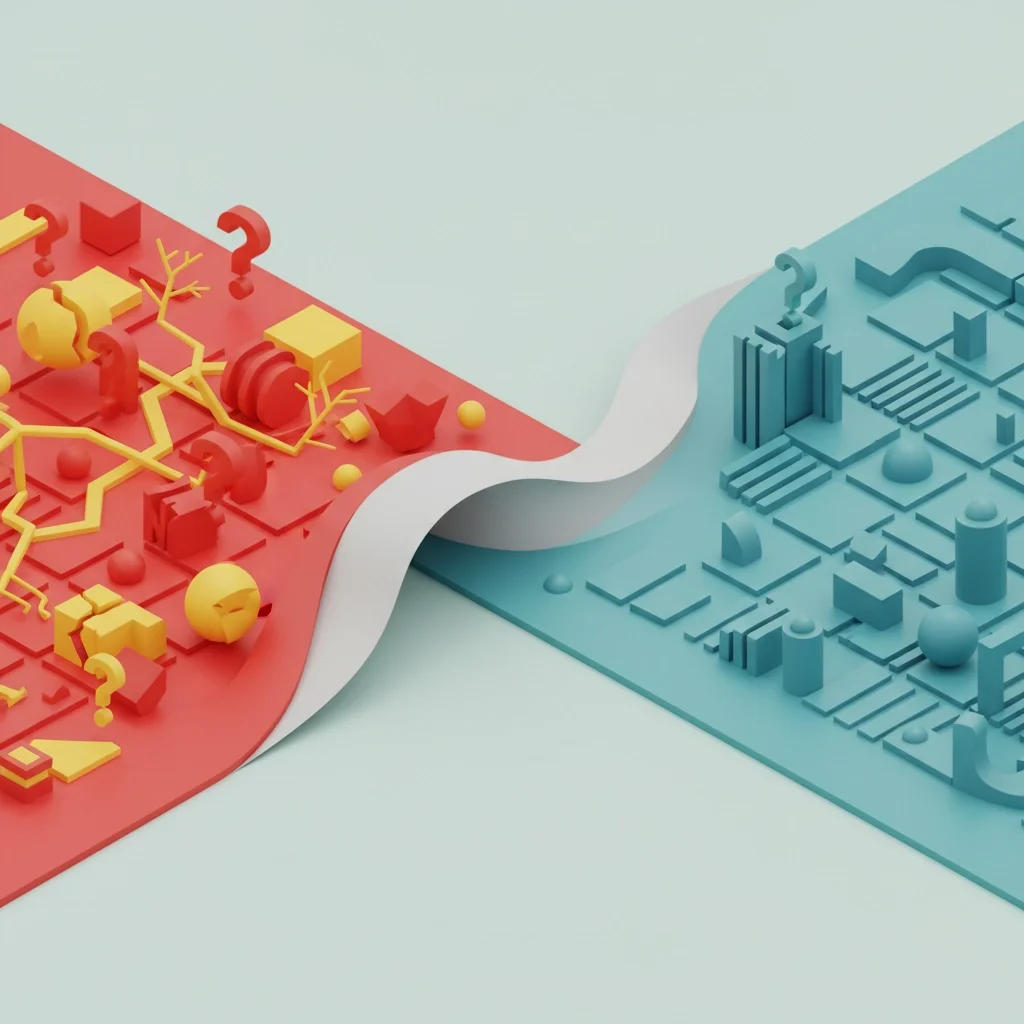
Let's talk numbers for a second, because this matters. Starting from scratch means you're building brand recognition from zero. You're competing against established players with bigger budgets. You might have revolutionary ideas, but you also might have zero customers for the first six months.
Franchises come with brand recognition baked in. People trust McDonald's, Subway, or UPS Store because they know what to expect. That recognition translates to faster customer acquisition, but it also means ongoing franchise fees and less profit margin.
Neither path guarantees success, but they have very different risk profiles. As we've discussed before, your financial readiness needs to match your business model choice.
The Support System Factor
One thing that consistently surprises new entrepreneurs is how much they miss having colleagues. When you work alone, there's no one to bounce ideas off, no one to share the stress with, and definitely no one who understands the unique challenges you're facing.
Franchise systems typically offer built-in support: training programs, regional meetings, online forums with other franchisees, and dedicated support staff. It's like having coworkers who actually understand your business.
Starting from scratch? You're building your support network from the ground up too. You might join entrepreneur groups or find a business coach, but it takes time and effort to create that community.
This is where many solo founders struggle. Building accountability without micromanagement becomes crucial when you're the only person holding yourself accountable.
The Plot Twist Nobody Expects
Here's the weirdest part of my job: I've met franchise owners who feel trapped by their success, and I've met struggling startup owners who wouldn't trade places for anything.
The franchise owner making $200K a year who dreams of creating something original. The startup founder living on ramen noodles who lights up talking about their vision for changing the world.
Success isn't just about money or even business metrics. It's about alignment between who you are and what you're building.
What Really Determines Success
After watching hundreds of these decisions play out, I've learned that the most successful people: whether they choose franchising or starting from scratch: share one trait: they're brutally honest about who they are.
They don't choose the path that sounds cooler or that their friends would respect more. They choose the path that matches their personality, their risk tolerance, their life situation, and their definition of success.
The startup founder who thrives on chaos and loves building systems from scratch? They're going to struggle in a rigid franchise system, even if it's more profitable.
The person who wants entrepreneurial upside but also wants to sleep well at night? They might find their sweet spot in a proven franchise model, even if their friends think it's "less entrepreneurial."
Your Experience Matters
I've shared what I've observed, but here's what I really want to know: What's your experience been?
If you've gone the startup route, what did you wish someone had told you before you started? What surprised you most about building everything from scratch?
If you've bought a franchise, do you love the structure or feel constrained by it? Would you choose differently knowing what you know now?
And if you're still deciding between the two paths, what's holding you back?
The entrepreneurial journey is full of unexpected lessons, and your real-world experience might be exactly what someone else needs to hear. Sometimes the best advice comes not from experts like me, but from people who've actually walked the path.
Your story: whether it's a success, a struggle, or somewhere in between: could help someone else avoid a major regret or find their perfect fit.
What do you wish you'd known before you made your choice?