Friction Is a Signal

We’ve all been there. It’s Friday afternoon. You’re ready to close up shop, maybe grab a cold one, and enjoy the weekend. But then you see it: the pile of messy, handwritten timesheets. Or worse, the "Draft" folder in your inbox filled with half-finished spreadsheets from your crew.
You spend the next three hours playing detective, trying to figure out if "J. Smith" worked 8 hours or 3, and whether "Project X" is actually the job site on 5th Street or the one on 12th.
It’s annoying. It’s frustrating. It makes you want to pull your hair out. But here’s the thing: that frustration is actually the most valuable data point you have right now.
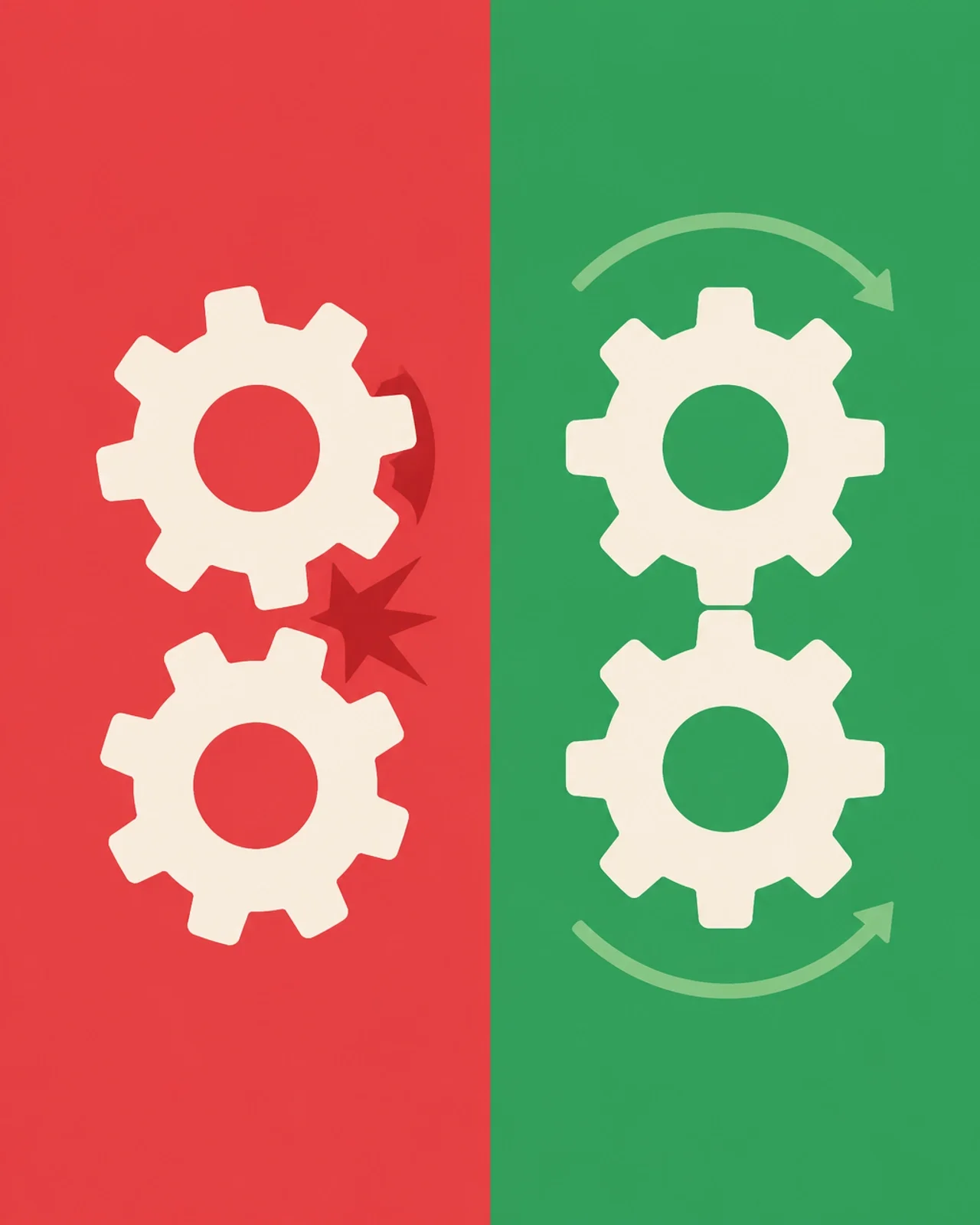
In business, friction is a sign. It’s not just an annoyance. It’s your business telling you that something in your process is broken. When timesheets keep causing problems, they aren’t just part of the job. They show you where you’re losing money, time, and peace of mind.
The Ghost in the Machine: Why We Ignore Friction
Most of us treat operational friction like a squeaky door hinge. We hear it, we wince, and then we learn to live with it. We think, "That’s just how payroll is," or "Employees will always be bad at clocking in."
But ignoring that problem doesn’t make it disappear. Small issues can get worse over time. What starts as a small annoyance with a few employees can become a big administrative headache as your company grows.
Friction is what slows your business down. It’s the extra work people do to keep things running. If your managers spend hours tracking down timesheets, that’s time they can’t spend on job sites or growing the business. If employees are confused about logging their time, they’re focused on paperwork instead of the work you hired them to do.
Deciphering the Signals: What Is Your Friction Telling You?
Not all friction is created equal. To fix the problem, you have to understand what the specific "pain" is signaling. Here are a few common timesheet friction points and what they actually mean for your business operations:
1. The "Where Were You?" Chase
The Symptom: You’re constantly calling or texting employees to find out which site they were at on Tuesday.
The Signal: Your process depends entirely on human memory. This is a high-risk strategy. Memory fails, but chaos costs money. This signal indicates that your reporting needs to be automated and tied to GPS or real-time check-ins.
2. The "Coding Conundrum"
The Symptom: Employees are consistently entering hours into the wrong project categories, such as "Miscellaneous."
The Signal: Your system is too complicated. When things get confusing, people look for shortcuts. This often means your cost codes are unclear or your software is hard to use. Your business is asking for a simpler way.
3. The "Shadow Spreadsheet"
The Symptom: You find out your site lead is keeping their own secret notebook of hours because they don't trust the official system.
The Signal: Your main tool isn’t working for the people who need it most. "Shadow IT" happens when the official way is harder than doing it by hand. This is a clear sign that your current software or process isn’t helping your team.

The Hidden Cost of "Pushing Through"
When we encounter friction, our instinct is often to work harder. We double down on reminders, write more stern emails, or hire an extra admin to handle the mess.
But being efficient protects your profit. Adding more people to a broken process is like trying to put out a fire with gasoline. It may seem like you’re helping, but you’re actually making the problem cost more.
Every hour spent fixing a timesheet is an hour of lost profit. Every payroll mistake from manual entry hurts your company’s reputation and employee trust. If you ignore these signs now, the problems will only grow as your business gets bigger.
Turning Friction Into Flow
So, how do you turn that warning sign into a smooth process? You need to switch from manual work to automated systems.
At Labor Sync, we built our platform specifically to kill this kind of friction. We realized that if a timesheet is hard to fill out, it won’t get filled out. If a manager has to hunt for data, they’ll stop looking.
By using a simple, multilingual mobile app, employees can clock in with a single tap. GPS tracking tells you exactly where they are, so there’s no "Where were you?" phone call. The data flows directly into payroll-ready reports.
You’re not just buying software. You’re implementing a system that eliminates slowdowns. Remember, simple solutions grow with you. If you want to expand, you need a process that works for 5 people or 50.
How to Listen to Your Business: A 3-Step Audit
If you’re feeling the friction right now, don’t just ignore it. Use this quick audit to see what your business is trying to tell you:
Trace the Journey: Pick one timesheet from last week. Track every single hand that touched it: from the employee's finger to the payroll check. How many steps were there? Where did it sit the longest? That's your bottleneck.
Count the correction conversations: How many times did a manager have to ask about a time entry? If it happened at all, your data collection needs work. Make sure your system captures the right data the first time.
Ask the "Why": Ask your team why they hate the current process. Don't take "it's annoying" as an answer. Is it because the app is slow? Is it because they forget? Use their complaints as data to find the right solution.
Stop Fighting, Start Flowing
Friction can help you if you pay attention to it. It shows you exactly where your business can get better. By moving away from paper and manual tracking, you stop fighting the signs and start making things run smoothly.
When you make time tracking easier, you get your Friday afternoons back. Your managers can focus on production. Your payroll is accurate. Most importantly, you finally understand what your business needs to grow.

Conclusion: The Signal is the Solution
Don’t wait for small problems to become big ones. If your timesheet process feels hard, that’s because it is. But this struggle is a sign that it’s time to make a change.
Pay attention to the signs. Make your process simpler. Protect your profit. And maybe you’ll finally get to enjoy your weekend.