Intelligence Is the Ability to Adjust

Most of us know the saying, "knowledge is power." In small business, though, that’s only part of the story. It’s good to know your business well, but if you can’t use that knowledge when things go wrong, it’s just a list of facts.
What really keeps a business going is the ability to adapt.
Picture a tree in a storm. The stiff branches break, but the ones that bend survive. Business works the same way. If your processes are so rigid that they fall apart when someone calls out sick or a rule changes, your operation isn’t truly smart—it’s just fragile.
In this post, we’ll talk about why being flexible is the best advantage a small business can have. We’ll also show how switching from old, rigid systems—like paper timesheets—is one of the smartest choices you can make.
The Trap of "That’s How We’ve Always Done It"
Tradition can be the biggest thing standing in the way of change. It’s common for business owners to keep using a system that feels familiar. Maybe it’s stacks of paper timesheets, a messy whiteboard for schedules, or a confusing spreadsheet that no one likes to use.
The problem is that these systems were designed for a different time. They might be fine when you only have three employees and two jobs. But as your business grows, small problems turn into big ones. If your system can’t keep up, growth won’t just make you busier. It can make things break down.
Sometimes, being too strict can look like being organized. Managers may think that following a strict process means everything is under control. But often, this just limits their options. If you can’t adjust, you might miss out on new chances.
A new job opens up across town? We can’t track travel time accurately, so we’ll pass.
A client wants real-time updates? We only process hours on Fridays, so we can't tell them.
Regulations change regarding overtime? It’ll take us weeks to manually update our records.
That’s not smart. That’s a roadblock.

From Chaos to Calibrated Flexibility
So, what does it mean to be flexible in a smart way? It doesn’t mean having no rules or letting everyone do whatever they want. It means having a structure that’s balanced and thoughtful.
You need a system that sets clear boundaries, like deadlines, locations, and expectations, but still lets people work in a flexible way. This is how being efficient helps protect your profits. When you automate routine tasks like tracking time and attendance, you free up your mind for what really matters: solving problems, leading your team, and making deals.
Using time tracking software is more than just replacing paper. It’s like giving your business a nervous system. You get updates instantly. If a team is stuck in traffic, you know right away. If a job is running late, you find out now instead of two weeks later when payroll is finished.
This is what real flexibility looks like. You can’t fix problems you can’t see. Chaos costs money, and the answer isn’t adding more rules. It’s about having better visibility.
The Smart Move: Technology as a Pivot Point
Let’s look at the tools that make this work. If you’re still using a pen and clipboard for employees to clock in, you’re keeping your business stuck at a desk.
Modern scheduling software and time clock apps with GPS let your business move with your team. Here’s why this is the smart choice:
Geography doesn't matter: Whether your team is in the office, on a construction site, or working remotely, the system remains the same.
Accuracy is automated: You don't have to guess if someone was on-site. The GPS verification handles it.
Speed is built-in: Data flows instantly from the field to the office.
When your systems are digital and in the cloud, you’re no longer limited by your location or by what you can do manually. You’ve created a setup that can grow as your business grows.
Scaling Without Breaking Stride
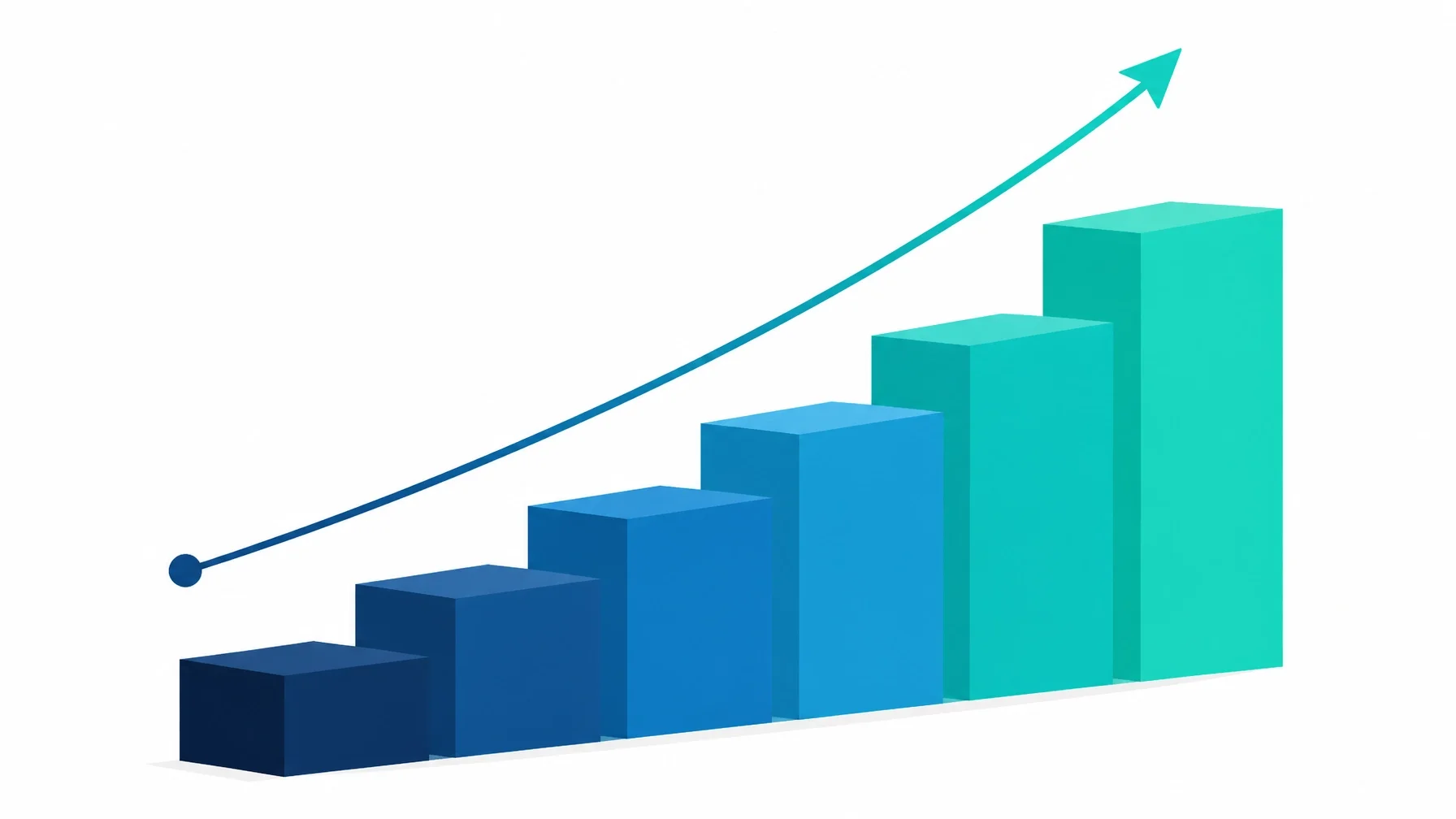
The in-between stage is one of the hardest for small businesses. You’re too big to handle everything yourself, but not big enough for a full HR team. Many businesses get stuck here. They keep using the same old systems as they grow, and eventually, things slow down or stop working.
Smart business owners know that the tools that helped them reach $100k won’t get them to $1 million.
Using attendance software that connects with your payroll and project management lets you build a system that works for 10 employees or 100. You get the flexibility to hire more people, take on bigger projects, and enter new markets without redoing your back-office process every few months.
Remember, data beats guessing. When you know exactly where your time goes, you can make smart changes to your pricing, scheduling, and hiring. You’re not just guessing; you’re improving one step at a time.

Why Labor Sync is the Agility Tool You Need
At Labor Sync, our software isn’t just for tracking hours. We designed it to give business owners their time back and to offer the flexibility that paper systems take away.
Our time clock app with GPS lets you see where your team is in real time. Automated timesheets mean no more Friday afternoon rush to read messy handwriting. And as your team grows more diverse, our multilingual interface means your system stays the same.
This is what we mean when we say, "Intelligence is the ability to adjust." We give you the platform, and you set the direction. When the market changes, you don’t have to stress about your timesheets. You just keep moving forward.
Conclusion: Bending, Not Breaking
The most successful businesses aren’t always the ones with the most money or the biggest teams. They’re the ones that can adapt the fastest.
If your current processes feel like a burden, it’s time to swap rigidity for flexibility. Don’t force your growing business into an old, outdated system. Build one that grows and supports you.
In the end, the goal isn’t just to work harder—it’s to work smarter. And working smart means being able to adjust.