Fairness Is the Foundation of Team Morale

Ever notice how one unfair decision can poison an entire team's attitude for weeks? That's because fairness isn't just a "nice to have" in business, it's the invisible foundation that either builds or destroys everything else.
When your crew feels treated fairly, they show up differently. They work harder, complain less, and actually want to help each other succeed. But when fairness goes out the window? Good luck getting anyone to go above and beyond.
Here's the thing most business owners miss: fairness isn't about treating everyone exactly the same. It's about creating systems and making decisions that people trust, even when they don't get what they want.
Related Podcast: Episode 53: Fairness Builds Strong Team Morale
The Science Behind Fair Treatment
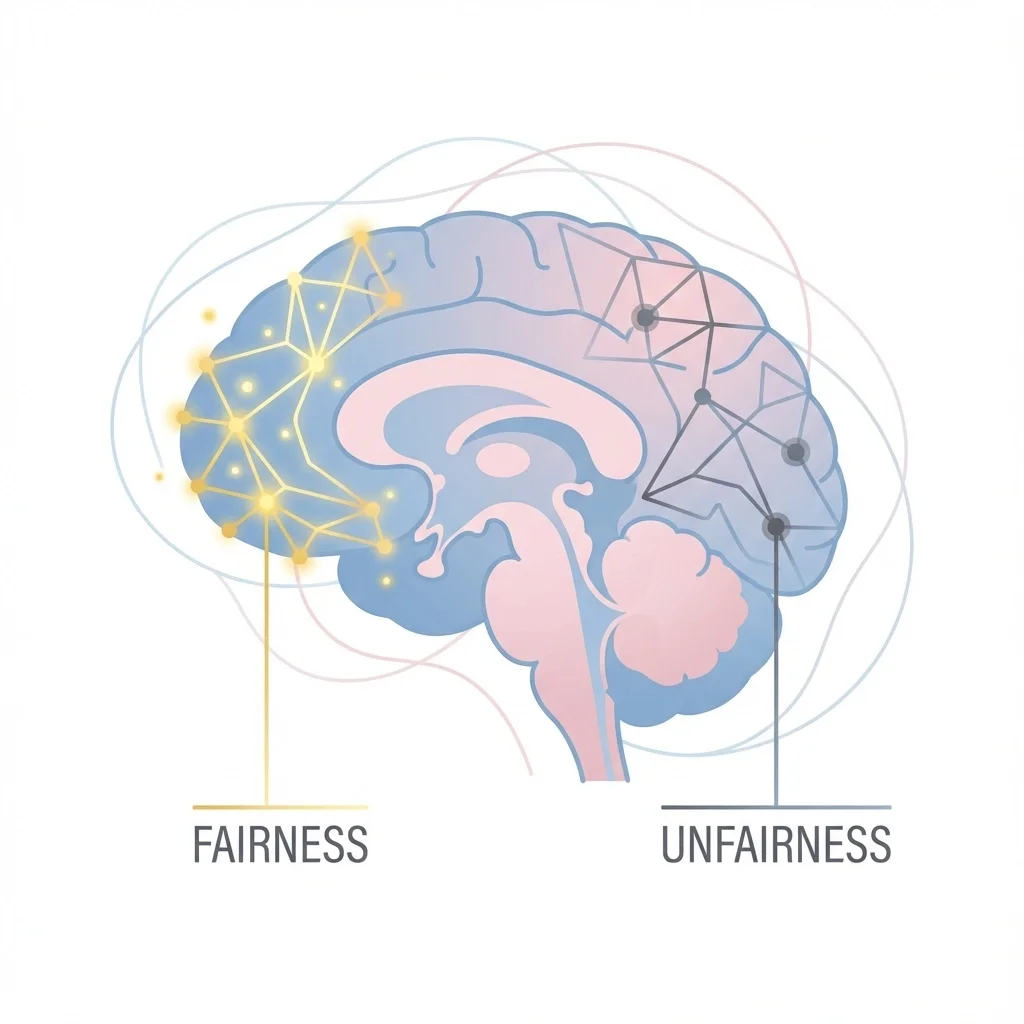
Research shows that our brains are literally wired to care about fairness. When people feel treated unfairly, it activates the same pain centers as physical injury. That's why an unfair schedule change doesn't just annoy your team, it actually hurts.
Fair treatment strengthens trust between team members and leadership, which directly boosts morale and team cohesion. When employees believe their workplace operates fairly, they're 1.3 times more likely to experience higher well-being and put genuine trust in their leaders.
Think about your own experience. Remember a time when a boss made a decision that felt totally unfair? That feeling probably stuck with you way longer than it should have. Your team members are no different. One unfair call can undo months of good leadership.
Warning Signs Your Team Doesn't Feel Treated Fairly
Unfairness in the workplace rarely announces itself with a big sign. Instead, it shows up in subtle ways that slowly drain team morale:
The Whispered Complaints: When team members start having hushed conversations that stop when you walk by, that's often a sign they don't trust the system enough to voice concerns openly.
Declining Discretionary Effort: People start doing exactly what they're required to do and nothing more. No more staying late to help a colleague or suggesting improvements.
Higher Turnover in Certain Groups: If you notice specific demographics or departments leaving more often, it might signal that certain groups don't feel they have equal opportunities.
Resistance to New Policies: When even reasonable changes meet with eye rolls and pushback, it often means past decisions have eroded trust in leadership's fairness.
The tricky part is that these signs often get misinterpreted as "attitude problems" or "lack of commitment." But dig deeper, and you'll usually find fairness issues at the root. Just like how silent productivity killers at work can destroy team performance without obvious symptoms.
Building Systems That Feel Fair
Creating fairness isn't about being perfect, it's about being consistent and transparent. Here are the key areas where small business owners can build trust through fair practices:
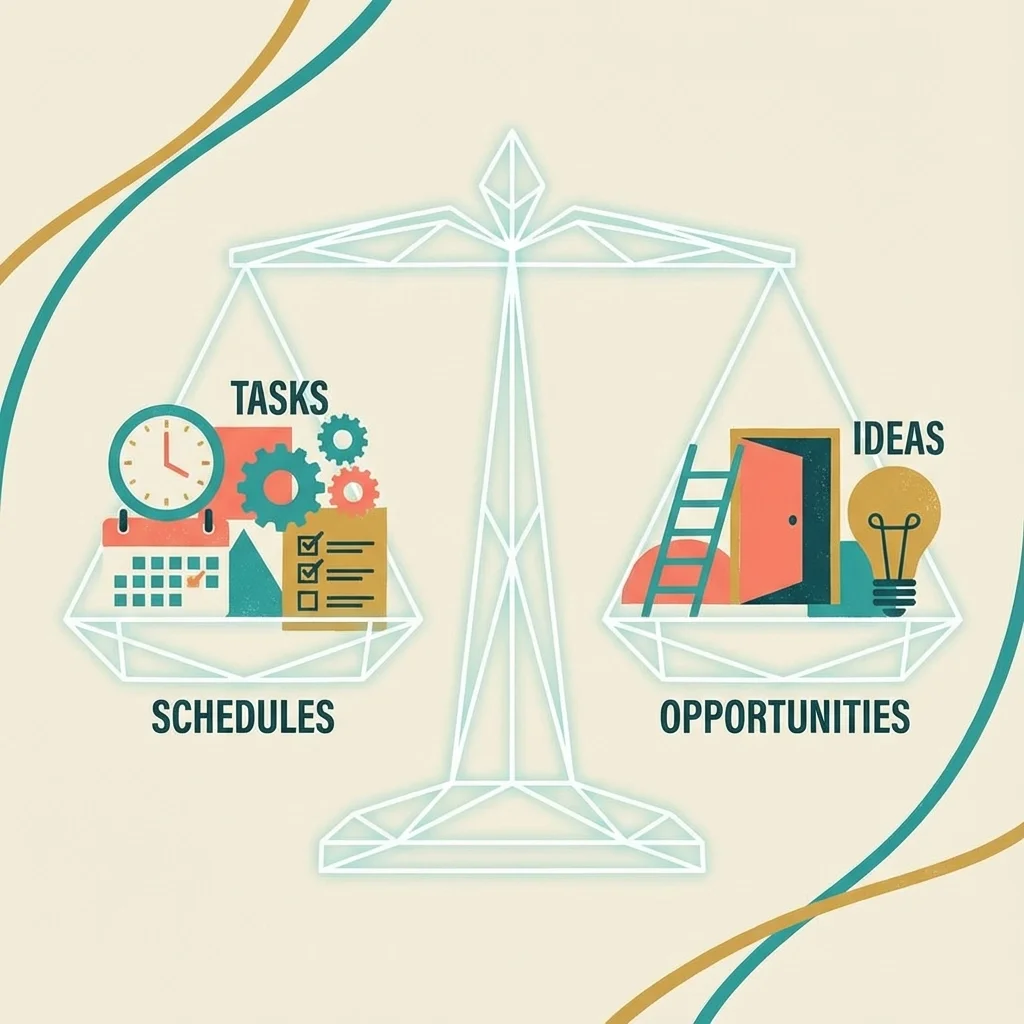
Clear, Consistent Scheduling: Nothing destroys morale faster than playing favorites with schedules. If Sarah always gets weekends off but Mike never does, your team notices. Create scheduling systems that rotate fairly and communicate the logic behind assignments.
Transparent Growth Opportunities: Don't just promote people based on gut feeling. Make clear what skills, experience, or performance metrics lead to advancement. When your crew leaders develop good habits, recognize and reward that growth openly.
Equal Access to Information: Keep the entire team informed about company changes, new clients, and challenges. When only certain people get inside information, others feel like second-class team members.

Fair Distribution of Good and Bad Tasks: Everyone should get their turn at both the interesting projects and the mundane work. If the same person always gets stuck with cleanup duty while others get the fun assignments, resentment builds fast.
Consistent Application of Rules: This is huge. If you let some people slide on certain rules while strictly enforcing them for others, you've just destroyed your credibility. Rules need to apply to everyone equally, including yourself.
The Time Tracking Fairness Factor
One area where fairness issues often hide is time tracking. When some team members can fudge their hours while others get scrutinized for every minute, it creates exactly the kind of unfairness that destroys morale.
Traditional paper timesheets make this worse because they're easy to manipulate and hard to verify. Digital systems level the playing field by applying the same standards to everyone. Plus, they eliminate the awkward conversations about whether someone really worked those overtime hours.
The key is choosing systems that feel fair to use. GPS tracking might be accurate, but if it feels invasive to your team, you've traded accuracy for trust. Find the balance that works for your business culture.
Making Difficult Decisions Fairly
Every business faces tough choices: who gets laid off, who gets the raise, who handles the difficult client. These moments are when your commitment to fairness gets tested most.
Document Your Decision-Making Process: Write down the criteria you're using before you make the decision. This forces you to think clearly and gives you something to reference if questions come up.
Consider Multiple Perspectives: Before making big calls, think through how different team members will perceive the decision. What seems obvious to you might look totally unfair from someone else's perspective.
Communicate the Why: People can handle bad news if they understand the reasoning. They can't handle feeling like decisions came out of nowhere or were based on favoritism.
Be Willing to Admit Mistakes: When you make an unfair call (and you will), own it quickly. Apologizing and adjusting course actually builds more trust than pretending you're infallible.
Sometimes fairness means making decisions that nobody loves but everyone understands. Like when big clients walk away, the fair response might be temporary pay cuts for everyone rather than laying off just a few people.
Measuring Team Morale and Fairness
You can't manage what you don't measure. Here are simple ways to gauge whether your team feels treated fairly:
Regular Check-ins: Not formal performance reviews, but casual conversations about how things are going. Ask specifically about workload distribution and whether people feel heard.
Anonymous Feedback Systems: Sometimes people won't speak up face-to-face but will share honest feedback anonymously. Simple tools like suggestion boxes or online surveys work well.
Pay Attention to Body Language: In team meetings, who participates enthusiastically and who just goes through the motions? Energy levels often reflect how fairly people feel treated.
Track Team Metrics: Look at patterns in attendance, productivity, and retention. Teams that feel treated fairly typically show more consistent performance across these areas.
The goal isn't perfect happiness, it's sustainable trust. Some decisions will disappoint people, but if your overall track record shows fairness, good team members will stick with you through temporary rough patches.
When Fairness and Business Needs Collide
Here's where things get tricky: sometimes being fair to your team conflicts with immediate business needs. Maybe your best performer wants time off during your busiest season, or your most reliable person asks for a raise you can't afford right now.
These moments test your leadership more than easy decisions. The key is finding solutions that acknowledge legitimate business constraints while still respecting your team's needs.
Be Honest About Limitations: If you can't give someone a raise right now, explain why and discuss what would need to change to make it possible.
Look for Creative Alternatives: Can't approve time off? Maybe you can offer flexible hours or a future bonus day. Can't match a competitor's salary offer? Consider other benefits that might matter to that person.
Set Clear Timelines: If you're asking someone to wait, give them a specific timeframe and stick to it. "Let me revisit this in three months" is better than vague promises.

Remember, fairness doesn't mean saying yes to everything. It means being transparent about your decision-making process and consistent in how you handle similar situations.
Building Long-Term Trust Through Small Actions
Big fairness wins make headlines, but consistent small actions build lasting trust. When your business tools and routines create discipline, fairness becomes part of your company culture rather than something you have to think about constantly.
Follow Through on Commitments: If you say you'll look into something, actually do it. If you promise to get back to someone by Friday, do it by Thursday.
Recognize Good Work Publicly: When someone goes above and beyond, acknowledge it where others can see. This shows you notice effort and creates positive peer pressure.
Address Problems Quickly: Don't let small unfairness issues fester. The sooner you address concerns, the easier they are to fix and the more trust you build.
Ask for Input on Policies: Before implementing new rules or procedures, get feedback from the people who'll be affected. This prevents obvious problems and shows you value their perspective.
The businesses that thrive long-term understand that fairness isn't a luxury: it's a competitive advantage. Teams that trust their leadership work harder, stay longer, and attract other good people. In contrast, businesses with fairness problems constantly battle turnover, low morale, and the exhausting work of managing resentful employees.
Your team's willingness to go the extra mile, suggest improvements, and stick with you through tough times all stems from their belief that you'll treat them fairly. That foundation of trust becomes the difference between a team that just shows up and one that actively helps your business succeed.