Mental Health on the Jobsite
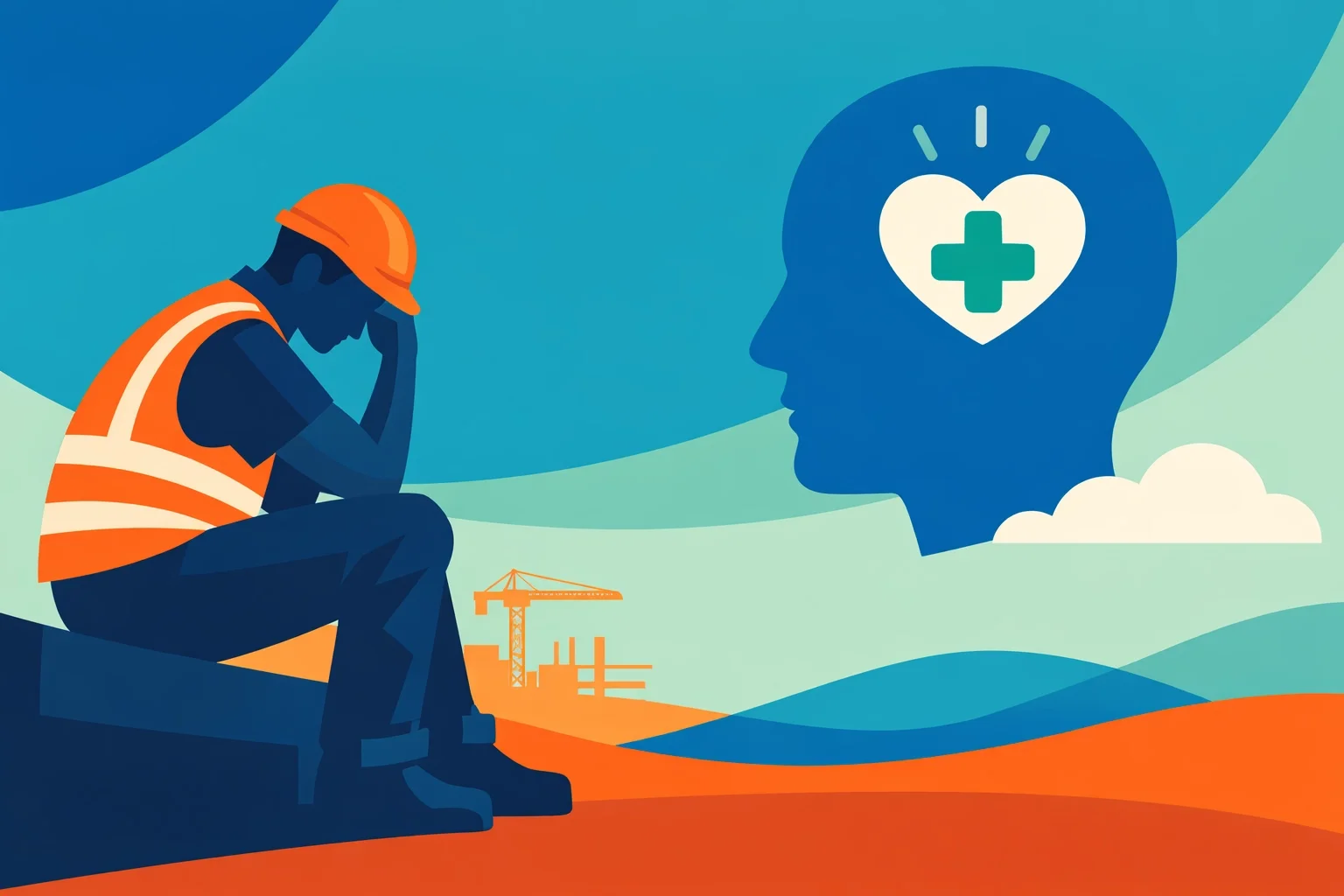
We need to talk about something that doesn't get enough airtime on jobsites: mental health.
Here's a stat that should make us all stop and think: construction workers experience some of the highest rates of depression among all occupational groups, and the industry ranks second highest in suicide rates. Nearly half of construction workers deal with depression. That's not a statistic we can ignore or sweep under the carpet.
The trades are tough. The work is physical, the hours are long, the conditions can be brutal, and the pressure to get projects done on time is constant. But here's the thing, we've gotten really good at talking about physical safety on jobsites. Hard hats, safety vests, fall protection, proper lifting techniques. We train on all of it.
Mental health? That's usually where the conversation stops.
It's time to change that.
The High-Stress Reality Nobody Talks About
Let's be honest: the trades are mentally demanding, not just physically demanding. Your crew is dealing with a lot more than just heavy lifting.
Long hours that mess with work-life balance. Employment instability, especially for seasonal workers. Hazardous conditions that keep everyone on edge. Physical pain and fatigue that wears down emotional resilience over time. Add in tight deadlines, demanding clients, and weather delays that blow up schedules, and you've got a recipe for serious stress.
And unlike office workers who might have access to workplace wellness programs or mental health days, trades workers often don't have those resources readily available. Many are part-time, seasonal, or working across multiple sites, which makes accessing traditional support systems even harder.
The reality is that 55% of construction workers say their poor mental health is directly tied to how the industry operates. That's not a worker problem, that's an industry problem. And industry problems need industry solutions.
The Hidden Stressor: Administrative Chaos
Here's something that doesn't get talked about enough: messy paperwork and unclear schedules are absolutely wrecking your crew's mental health.
Think about it from their perspective. They show up to work not knowing exactly where they're supposed to be. They're filling out paper timesheets that might get lost or questioned later. They're waiting on unclear schedules, trying to figure out if they're working tomorrow or not. They're dealing with paycheck confusion because someone rounded their hours wrong or didn't account for travel time properly.
All of that administrative friction adds up. It's not just annoying, it's genuinely stressful. When workers don't trust that they'll be paid correctly for the hours they worked, that's a massive mental burden. When they can't plan their personal lives because schedules change at the last minute without clear communication, that affects everything from childcare to doctor appointments.
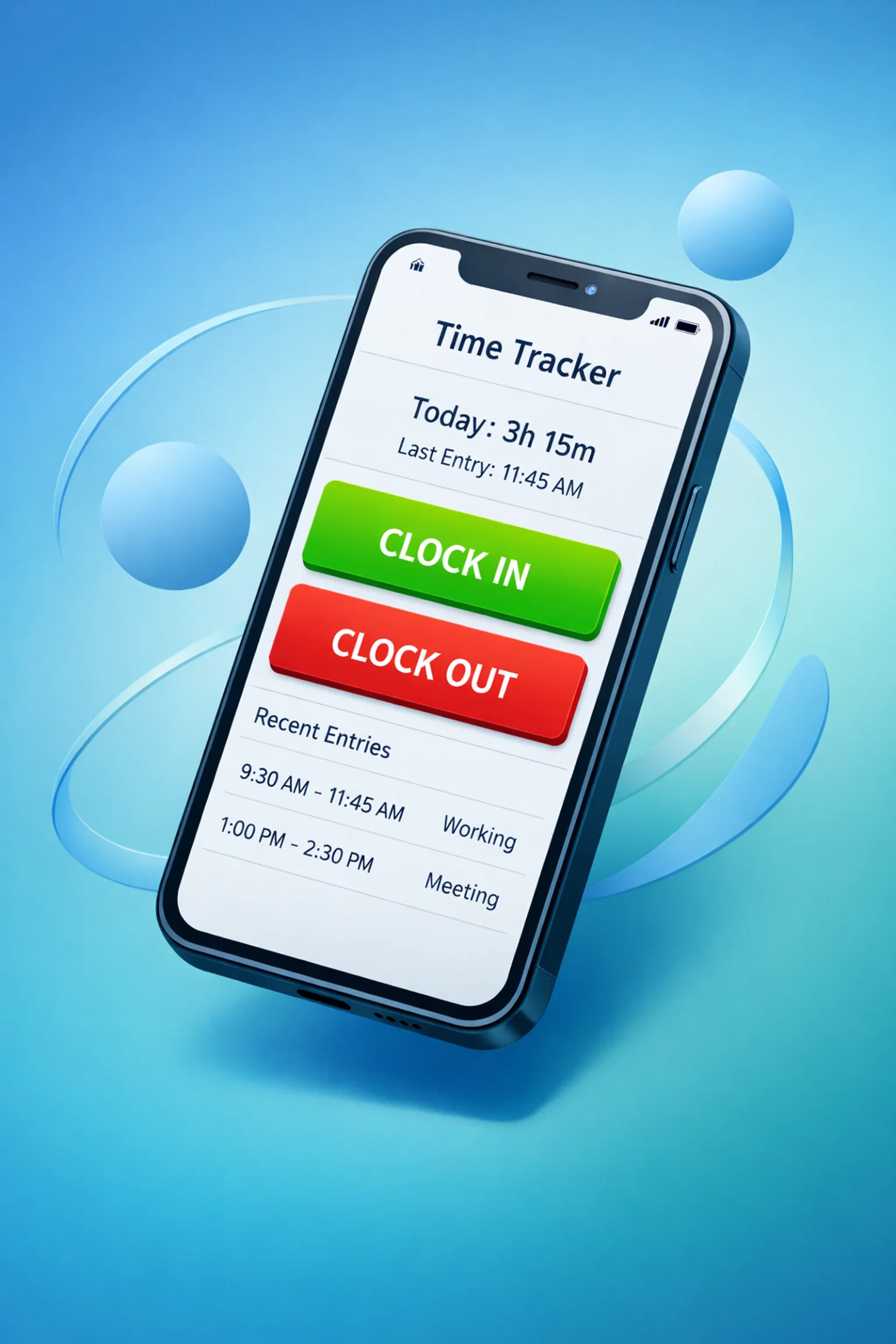
This is where tools like Labor Sync actually make a difference in mental health, not just efficiency. When clocking in and out is brainless, literally just tapping a button on their phone, that's one less thing workers have to think about. When schedules are clear and accessible in real-time, workers can actually plan their lives. When time tracking is transparent and accurate, there's no anxiety about whether their paycheck will be right.
We're not talking about fancy wellness programs here. We're talking about removing unnecessary stress from the fundamentals. Getting the basics right, clear communication, accurate time tracking, transparent scheduling, gives workers back mental bandwidth to focus on the actual work, not administrative headaches.
Spotting the Signs Before Crisis Hits
One of the most powerful things about modern workforce management isn't just tracking hours, it's using data to actually support your people.
If a normally punctual worker suddenly starts showing up late consistently, that's data telling you something. If someone who usually works reasonable hours is suddenly clocking massive overtime week after week, that's a pattern worth paying attention to. If attendance becomes sporadic for someone who's usually reliable, something's going on.
These aren't just "performance issues." These are often early warning signs that someone is struggling.
The key is to use this information not for punishment, but for support. When you notice these patterns, that's your cue to check in, not as a boss looking to write someone up, but as a person checking on another person. A simple "Hey, I noticed you've been working a lot of extra hours lately. Everything okay?" can open up a conversation that really matters.
This is where visibility tools become mental health tools. When you can see patterns across your workforce, you can spot burnout before it becomes a crisis. When you notice someone working through lunch every single day or never taking breaks, you can step in and remind them that breaks aren't optional: they're necessary.
The same technology that helps you manage projects more efficiently can also help you manage people more humanely. It's all about how you use the data. Are you only looking at productivity metrics, or are you also looking at well-being indicators?
Creating a Culture Where It's Okay to Not Be Okay
Here's the hard truth: all the technology in the world won't help if your jobsite culture still treats mental health like a weakness.
We need to normalize saying "I'm overwhelmed." We need to make it safe for someone to admit they're struggling without worrying they'll lose their job or get labeled as "soft." We need to train supervisors and foremen to recognize signs of distress and know how to respond with empathy, not judgment.
This starts at the top. When leaders openly acknowledge that the work is hard and that it's okay to ask for help, that sets the tone for everyone else. When companies implement policies that actually support mental health: like reasonable hours, real breaks, access to counseling services, and Employee Assistance Programs: workers notice.
Some practical steps that make a difference:
Regular check-ins that aren't just about project status. Take two minutes to ask how someone's actually doing. Not "how's the project going" but "how are you doing?"
Normalize taking breaks and time off. If your culture celebrates grinding through exhaustion and never taking vacation, you're actively harming your crew's mental health. Managing scattered crews effectively means making sure everyone actually takes their breaks and doesn't work themselves into the ground.
Create clear communication channels. Workers shouldn't have to guess about schedules, expectations, or their job security. When communication is clear and consistent, that reduces anxiety significantly. This is especially critical when you're managing multiple jobsites where workers might feel disconnected from the home base.
Train your supervisors. Your foremen and crew leads need to know the warning signs of mental health struggles and have resources they can point people toward. They need permission to have these conversations and to prioritize well-being alongside productivity.
The Business Case (Because Unfortunately, It Matters)
Let's talk dollars and cents for a second, because some decision-makers need to hear this: supporting mental health isn't just the right thing to do: it's good business.
Workers dealing with mental health issues are more likely to have accidents on site. They're more likely to miss work. They're more likely to quit, which means you're constantly dealing with turnover and training costs. Projects fall behind. Quality suffers.
On the flip side, when workers feel supported and have their basic needs met: including mental health support: they're more productive, more engaged, and they stick around longer. Better mental health support reduces absenteeism and turnover, which keeps projects on schedule and within budget.
You're already dealing with labor shortages. The last thing you need is to lose good workers to burnout that could have been prevented. Bridging skills gaps through upskilling is important, but so is keeping the skilled workers you already have healthy and engaged.
Moving Forward
Supporting mental health on jobsites isn't about implementing one big program and calling it done. It's about a hundred small choices that add up: clear communication, fair scheduling, accurate time tracking, reasonable expectations, trained supervisors, accessible resources, and a culture that genuinely cares about people.
Technology can help with some of this. Streamlining processes through tools like Labor Sync removes administrative friction that causes daily stress. Better visibility into workforce metrics helps you spot problems early. Mobile-first tools put information directly in workers' hands, giving them more control and transparency.
But the technology is just the enabler. The real work is cultural: deciding that your crew's mental health matters just as much as their physical safety. Deciding that preventing burnout is just as important as preventing falls. Deciding that asking "are you okay?" is part of the job description for every leader on your team.
The construction industry has a mental health crisis. But it also has an opportunity to lead the way in showing how trades can support their workers holistically: not just as labor units, but as whole human beings with families, struggles, and needs beyond the jobsite.
Your crew shows up for you every day. It's time to show up for them.