Up-Skilling Your Crew to Tackle Labor Shortages

Let's be real, finding skilled workers right now feels like searching for a unicorn. The "Help Wanted" signs might as well be permanent decorations at this point. But here's the thing: while everyone's scrambling to hire from the outside, there's a goldmine sitting right under your nose. Your current crew.
Up-skilling isn't just some HR buzzword. It's a legitimate survival strategy when the talent pool looks more like a puddle. And honestly? Training the people who already know your business, trust your leadership, and understand your workflows makes a whole lot more sense than hoping the perfect candidate magically appears on Indeed.
Why Hiring New Isn't Always the Answer
The numbers don't lie. The average cost to hire someone new is over $4,000, and that's before you factor in the weeks (or months) of ramping up before they're actually productive. Meanwhile, you've got workers on your payroll who are already halfway there, they just need a boost in certain areas.
Think about it: would you rather spend months searching for a unicorn electrician who can also do HVAC work, or spend a few weeks getting your solid electrician certified in basic HVAC? The math isn't exactly complicated.
Plus, the labor shortage isn't going anywhere soon. Baby boomers are retiring faster than Gen Z can pick up a drill, and the skills gap is widening. According to recent studies, 92% of executives know there's a skills gap in their organization, but most are still playing the same old hiring game instead of building stronger internal systems.
The Retention Magic Nobody Talks About
Here's what happens when you invest in training your crew: they stick around. It's almost like people appreciate when you care about their future and don't just see them as interchangeable parts.
When you upskill an employee, you're sending a clear message: "We believe in you, and we see you growing with us." That's powerful stuff. It builds loyalty in a way that pizza parties and "Employee of the Month" parking spots never will.
And let's talk money for a second. Replacing an employee costs between 50-200% of their annual salary when you factor in lost productivity, recruiting, and training time. Meanwhile, keeping someone and making them better? That's an investment that pays dividends for years. Your team gets more capable, and they're actually motivated to stay and use those new skills.
The data backs this up too, companies that prioritize employee development see retention rates shoot up. Workers who feel valued and see a path forward don't jump ship at the first whiff of a $2/hour raise somewhere else. They're in it for the long haul because they can actually see a future with you.
Building a Swiss Army Knife Crew
One of the coolest benefits of up-skilling? You end up with a more versatile team. Instead of having a bunch of specialists who can only do one thing, you're creating multi-tool workers who can pivot between tasks.
Got a plumbing job that finishes early but your electrical work is behind? If your plumbers have some basic electrical training, they can jump in and help. That flexibility is gold when you're trying to manage multiple jobsites and keep everything moving.
Cross-training doesn't mean everyone needs to become an expert at everything, that's unrealistic. But teaching your HVAC tech some basic preventative maintenance skills, or getting your electrician comfortable with low-voltage work, suddenly makes your entire operation more nimble.
This versatility also takes the pressure off when someone calls in sick or you land a surprise project. You're not scrambling to find a specialist on short notice because you've got capable people who can handle it. Your entire workflow becomes more efficient, and your stress level drops considerably.

Forget Week-Long Seminars, Think Micro-Learning
Let's be honest: pulling your entire crew off the job for a week-long training seminar isn't happening. You've got deadlines, clients, and bills to pay. But that doesn't mean training is impossible.
Enter micro-learning, small, bite-sized training moments that actually fit into real life. We're talking 10-15 minute videos, quick hands-on demonstrations, or digital certifications that workers can knock out during downtime or even at home.
Think of it like this: instead of a massive training overhaul, you're building skills one brick at a time. Monday morning, everyone watches a 12-minute video on new OSHA requirements. Wednesday afternoon, the senior tech does a quick demo on a new tool. Friday, someone completes an online module on their phone while waiting for materials to arrive.
The beauty of micro-learning is that it's less overwhelming and actually sticks better. Our brains weren't designed to absorb eight hours of PowerPoint slides, we learn better in focused bursts. Plus, when training feels manageable rather than like a massive disruption, your crew is way more receptive to it.
Digital certifications are particularly clutch here. Platforms exist where workers can get legit credentials without ever setting foot in a classroom. Whether it's OSHA 10/30 training, equipment certifications, or specialized trade skills, it's all accessible and trackable.

The Tracking Part Everyone Forgets
Here's where most up-skilling programs fall apart: nobody tracks the investment. You're spending time and money on training, but you have no idea what it's actually costing or whether it's working. That's like running a job without ever checking if you're making money, spoiler alert, you probably aren't.
This is where smart workforce management tools become essential. You need to categorize training hours separately from regular field hours so you can actually see the full picture. How much are you investing per employee? Which training programs are giving you the best ROI? Who's taking initiative and leveling up versus who's coasting?
Labor Sync makes this invisible, in a good way. Track training hours, certifications, and skill development without adding another layer of paperwork to your already-full plate. Tag training time separately, run reports on your investment, and actually measure whether your up-skilling efforts are moving the needle.
When you can quantify your training investment, it becomes easier to justify it to ownership, budgets, or yourself when you're questioning whether it's worth it. (It is, by the way.)
Plus, having this data helps you make better decisions about your workforce. You can identify skill gaps more clearly, see who's ready for more responsibility, and plan your training strategy instead of just winging it.
Getting Started Without Losing Your Mind
Okay, so you're sold on up-skilling. Now what? Don't try to boil the ocean here, start small and build momentum.
Step 1: Figure out what you actually need. Look at your upcoming projects, the skills your competitors have that you don't, and where your current team struggles. That's your roadmap.
Step 2: Talk to your crew. Ask what they want to learn. You might be surprised, many workers are hungry for growth opportunities but don't think you'll support it. When people have input on their own development, they're way more engaged.
Step 3: Start with quick wins. Pick one or two skills that can be learned relatively quickly but will make a noticeable impact. Success breeds success, and once people see the benefits, they'll be more open to deeper training.
Step 4: Make it routine. Build learning into your regular schedule. "Training Tuesdays" or 15 minutes every morning, whatever works for your operation. The key is consistency over intensity.
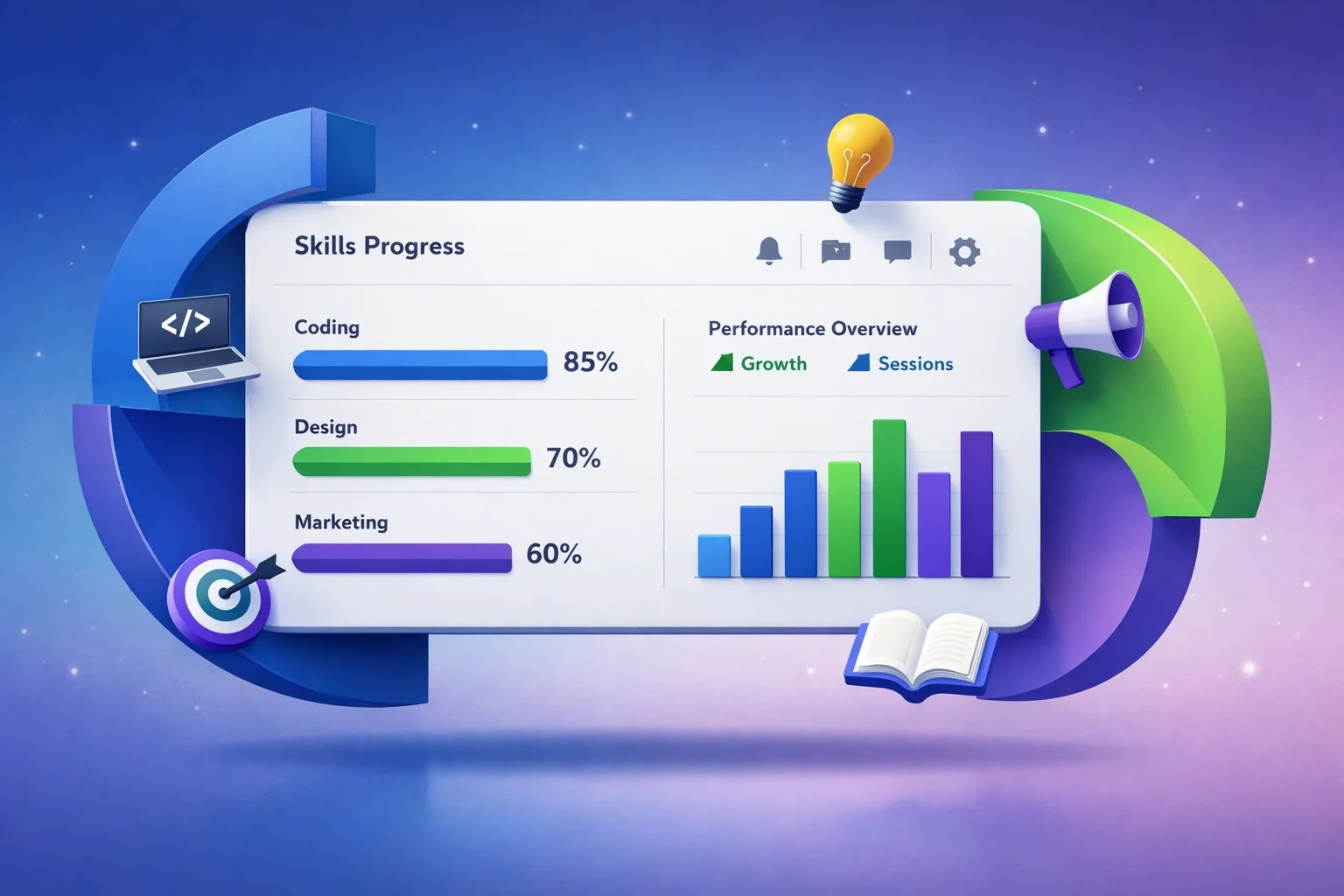
Step 5: Actually track it. Use a system (ahem, like Labor Sync) to monitor hours, progress, and outcomes. This isn't busywork: it's how you prove the value and keep improving your approach.
Don't forget to celebrate wins either. When someone gets a new certification or successfully applies a new skill, make a big deal about it. Recognition costs nothing and reinforces the behavior you want to see.
The Bottom Line
The labor shortage isn't going anywhere, so we might as well adapt. Up-skilling your existing crew isn't just a nice thing to do: it's a business strategy that pays off in retention, flexibility, and actual capability.
You don't need to turn everyone into a Renaissance craftsperson overnight. Start small, think micro-learning, track your investment, and watch your team (and your business) level up. The workers you need might already be on your payroll: they just need the tools and training to get there.
And while the training part is up to you, the tracking and managing part? That's where technology steps in to make your life easier. Because you should be focused on teaching and growing your team, not drowning in spreadsheets trying to figure out who learned what and when.
Your competition is still out there hunting for unicorns. Meanwhile, you're building them from scratch. That's a pretty solid competitive advantage if you ask me.