Better Decisions Start With Better Visibility

You're staring at your phone at 9 PM, trying to figure out why your crew is still at the Peterson job site. The estimate said four hours. It's been seven. Your customer is texting asking for updates, your crew leader isn't picking up, and you're sitting in your kitchen making assumptions about what went wrong.
Sound familiar? Welcome to running a field service business in the dark.
The truth is, most business decisions get made with about 30% of the information you actually need. The rest is educated guessing, gut feelings, and hoping for the best. But here's what I've learned after watching hundreds of field service companies: the businesses that thrive aren't necessarily the smartest or the most experienced: they're the ones that can see what's really happening.
Better decisions absolutely start with better visibility. But what does that actually mean for someone running HVAC routes or managing landscaping crews?
Related Podcast: Episode 57: Better Decisions With Visibility
The Real Cost of Flying Blind
Let's get specific about what poor visibility costs you. When you can't see what's happening in your field operations, you end up making reactive decisions instead of strategic ones.
Take job costing, for example. Without real-time visibility into labor hours, material usage, and job progress, you're essentially pricing future work based on wishful thinking. You might think that bathroom renovation typically takes two days, but if you can't track the actual time your crews spend on similar jobs, you're probably wrong. Maybe it's three days when you factor in the permit delays and the supply runs nobody tracks.
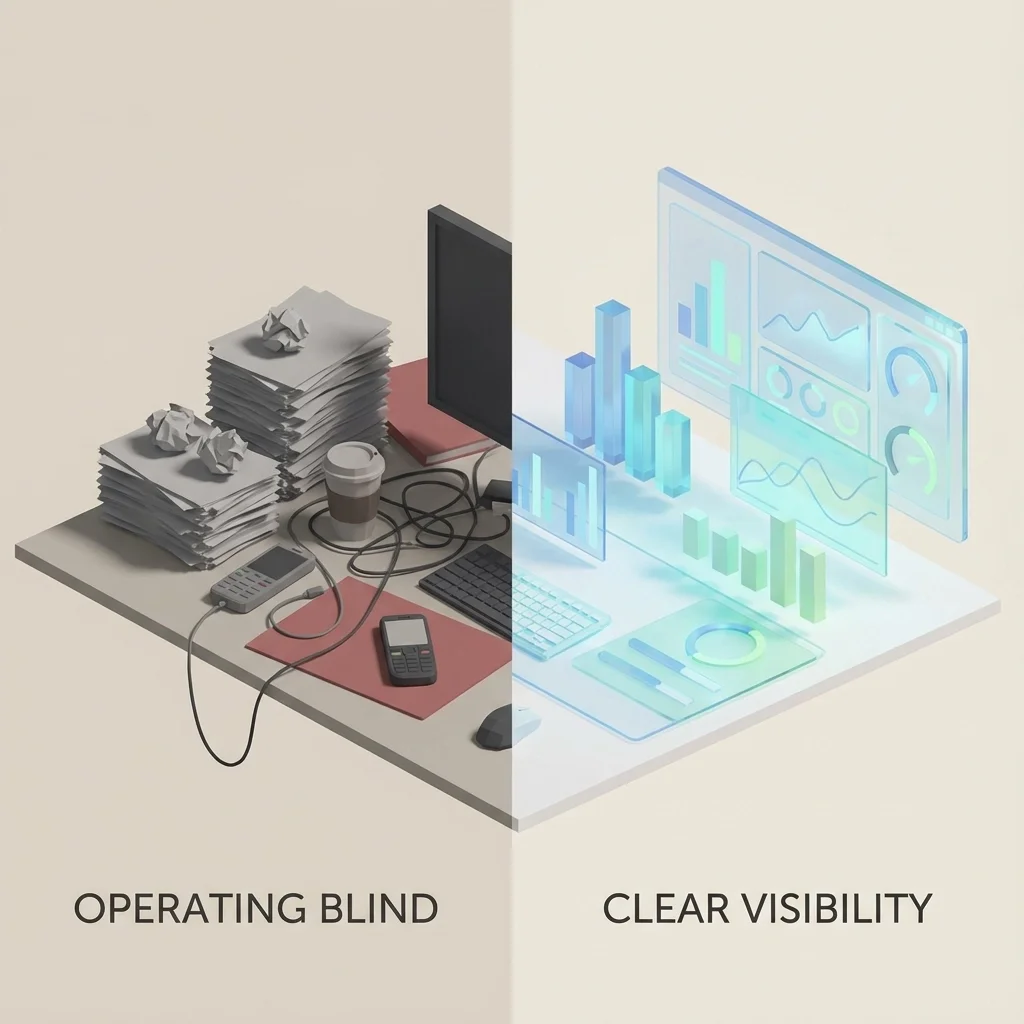
This guesswork compounds. Poor estimates lead to tight margins. Tight margins lead to rushed work. Rushed work leads to callbacks. Callbacks eat into profits and damage your reputation. All because you couldn't see the real data from your previous jobs.
The same pattern shows up everywhere in field service operations. Scheduling gets thrown off because you don't know how long jobs actually take. Equipment maintenance gets neglected because you can't track usage patterns. Customer complaints blindside you because you have no visibility into service quality trends.
What Visibility Actually Means in Field Service
For field service businesses, visibility isn't about fancy dashboards or complex analytics. It's about having clear, real-time answers to simple questions:
Where are my crews right now?
How long are jobs actually taking versus estimates?
Which customers are most profitable?
What's my true cost per hour for each technician?
Are we hitting our quality standards consistently?
The businesses that can answer these questions quickly and accurately make fundamentally different decisions than those operating on hunches.
When you know exactly how long similar jobs have taken in the past, you price more accurately and set realistic customer expectations. When you can see equipment usage patterns, you schedule maintenance proactively instead of dealing with breakdowns. When you track customer satisfaction metrics, you catch problems while they're still fixable.
The Four Areas Where Visibility Changes Everything
1. Resource Allocation
Most field service owners allocate resources the same way they always have: based on historical patterns and gut feelings. But what if those patterns are wrong?
I know a landscape company owner who always sent his most experienced crew to commercial jobs because "they pay better." When he finally started tracking profitability by crew and job type, he discovered that his experienced crew was actually less efficient on simple commercial maintenance work. They were overengineering solutions and spending too much time on details that customers didn't value.
With better visibility, he reassigned crews based on actual performance data. Revenue per crew hour went up 23% in six months.
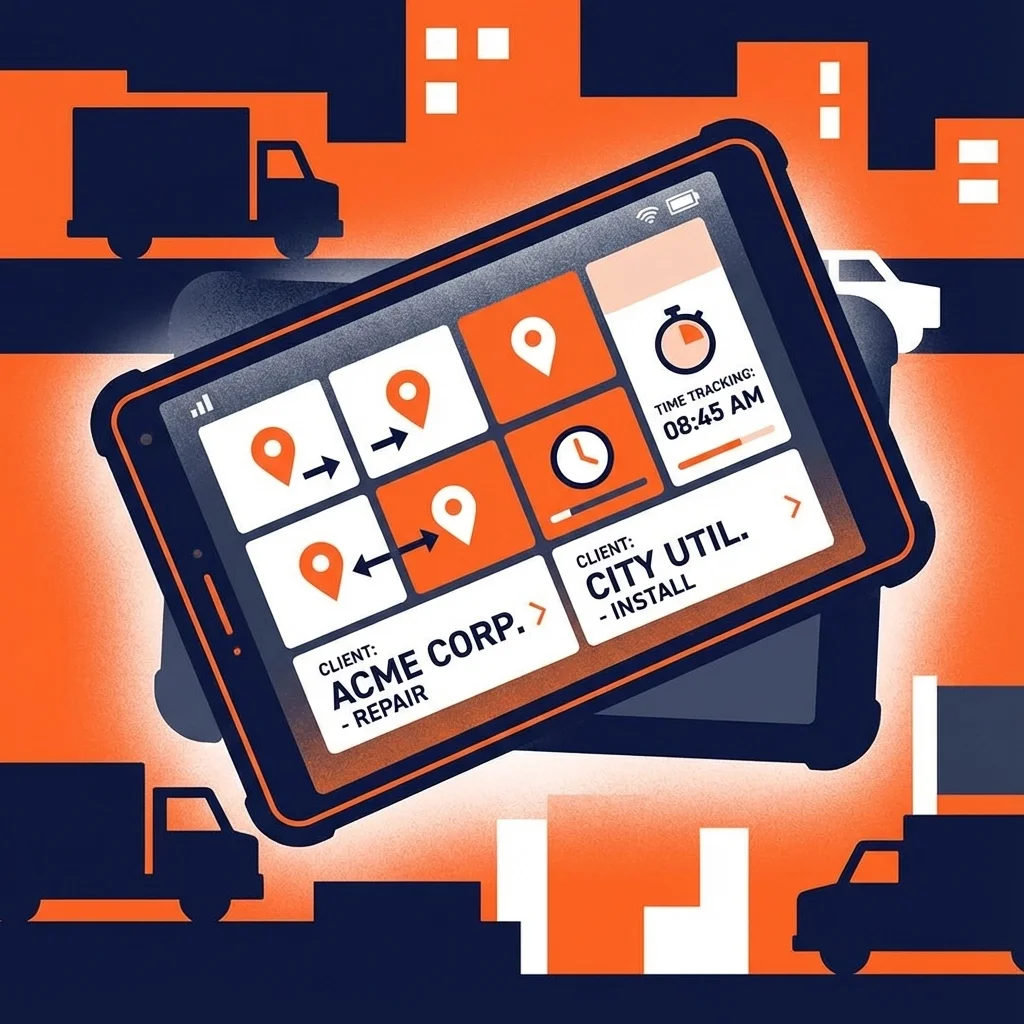
2. Customer Relationships
Without visibility into customer history and preferences, every interaction starts from scratch. Your technicians show up not knowing if this customer prefers detailed explanations or just wants the work done quietly. They don't know about previous complaints or what add-on services this customer has shown interest in.
Smart field service companies create visibility into customer patterns. They track which services each customer uses, how often they need emergency calls, and what their typical spending patterns look like. This information turns every service call into an opportunity to strengthen the relationship and potentially increase revenue.
3. Quality Control
Here's where poor visibility really hurts: you find out about quality problems after they've already damaged your reputation. A customer posts a negative review, or worse, refuses to pay because the work wasn't up to standard.
Companies with good visibility build quality checkpoints into their processes. They track completion times, material usage, and customer feedback patterns to spot quality issues before they escalate. Effective crew leaders know how to gather and report this information consistently.
4. Financial Performance
The most successful field service companies I know can tell you, in real time, whether they made money on a job. Not next month when they close their books: right now, while the crew is still on site.
This visibility changes how they operate. If a job is running over budget, they can make adjustments immediately. They might bring in additional crew to finish faster, or they might have a conversation with the customer about change orders. The key is knowing while you can still do something about it.
Building Better Visibility: Start With These Three Steps
Step 1: Track Time and Costs by Job
Every minute and every dollar needs to connect to a specific job. This sounds basic, but most field service companies have huge gaps in their cost tracking. Time tracking mistakes can seriously impact your client relationships and profitability.
Start simple: require crews to log start times, end times, and materials used for every job. Don't worry about fancy software at first: a simple form that gets filled out consistently is better than a complex system that gets ignored.
Step 2: Create Feedback Loops
Information is only valuable if it gets back to the people who can act on it. Create regular touchpoints where crew leaders report on what they're seeing in the field. Weekly crew meetings, daily check-ins, or simple end-of-job reports: whatever works for your culture.
The goal is to spot patterns early. Maybe you're consistently running over time on a particular type of job. Or maybe certain customers always have additional requests that aren't captured in your initial estimates.
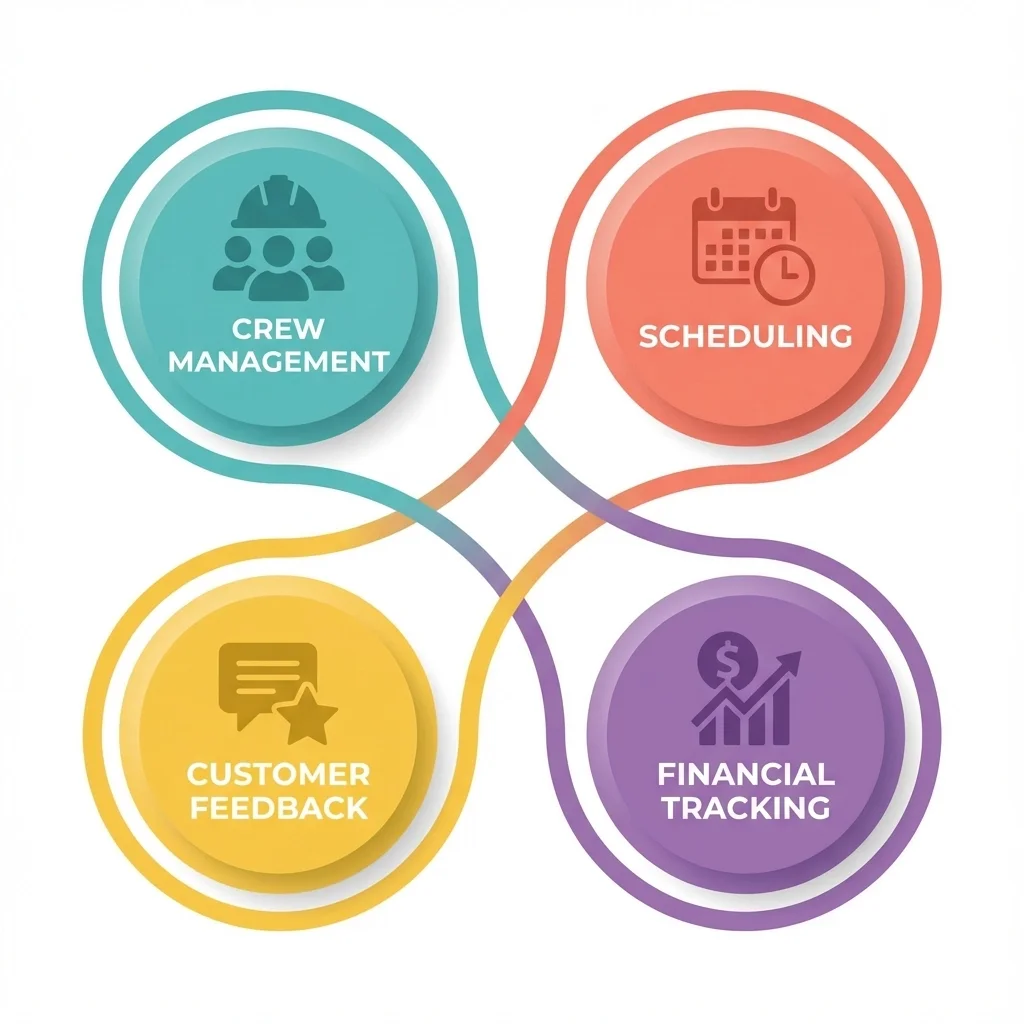
Step 3: Connect Customer Satisfaction to Operations
Start measuring customer satisfaction consistently and connect it to operational data. Which crews get the best reviews? What types of jobs generate the most complaints? How does customer satisfaction correlate with job profitability?
This connection helps you make better decisions about crew assignments, service offerings, and customer management.
Technology as an Enabler, Not a Solution
Here's where a lot of field service companies go wrong: they think better visibility means buying better software. Technology can definitely help, but it's not the whole answer.
I've seen companies spend thousands on field service management software only to see minimal improvement in their decision-making. Why? Because they didn't change their habits around collecting and using information.
The best technology solutions are the ones that fit naturally into your existing workflows. If your crew leaders are already checking in by phone at the end of each job, look for tools that make those check-ins more structured and data-rich. If your technicians are comfortable with smartphones, consider apps that make job tracking automatic.
But remember: tools and routines work together to create business discipline. The routine is more important than the tool.
Real-World Example: From Chaos to Clarity
Let me tell you about Mike, who runs a small HVAC company in Ohio. Two years ago, his business was profitable but chaotic. Jobs ran over estimate constantly, customer complaints seemed random, and he was always stressed about cash flow.
Mike started with one simple change: he required his technicians to text him when they started and finished each job. That's it. No fancy apps, no complex reporting: just start time and end time.
Within three months, patterns emerged. Certain types of calls always took 30% longer than estimated. One technician was consistently faster than others on diagnostic calls but slower on installations. Commercial customers tended to add scope mid-job more often than residential customers.
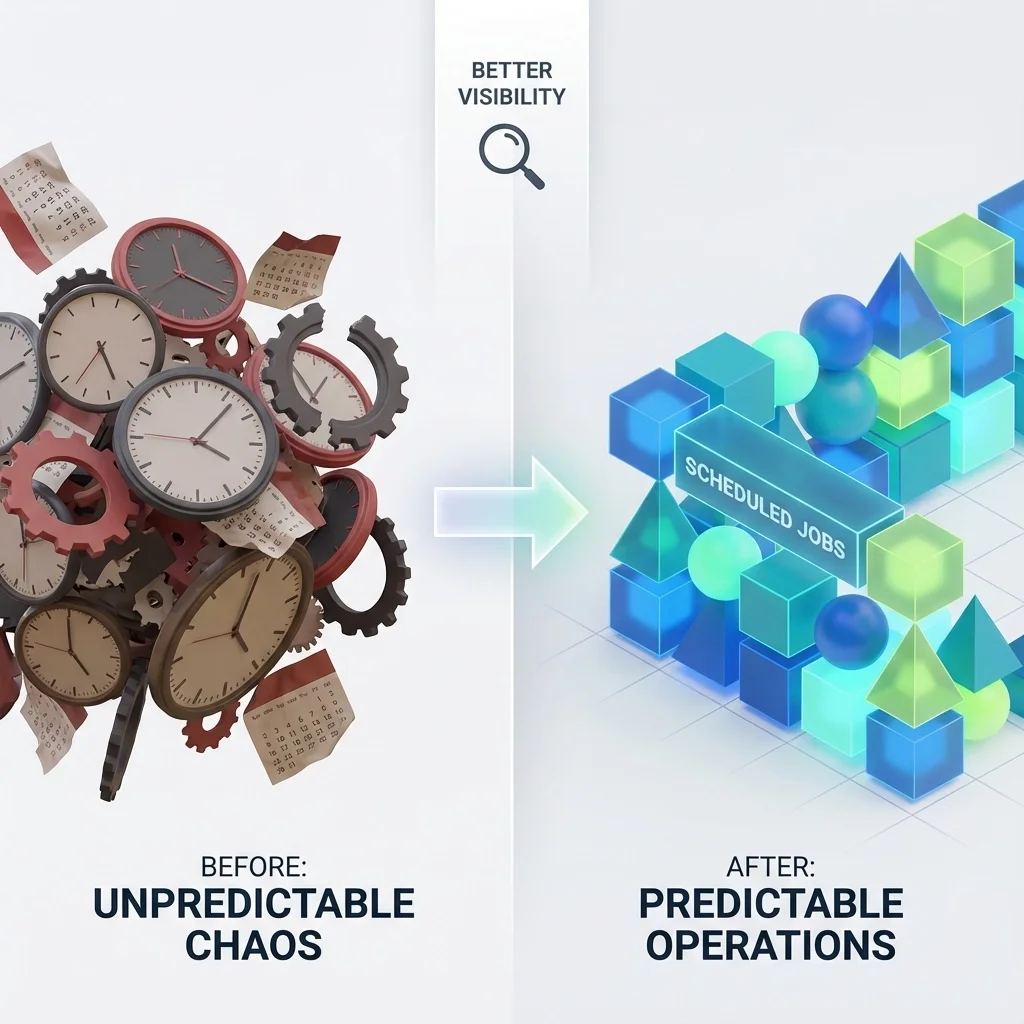
Armed with this visibility, Mike made targeted changes. He adjusted his estimates for problem job types. He started assigning technicians based on their strengths rather than just availability. He began having scope conversations with commercial customers upfront.
The results? Job completion times became more predictable. Customer satisfaction improved because expectations were set better. And Mike stopped spending his evenings wondering what was really happening in his business.
The Compound Effect of Better Visibility
Better visibility creates a virtuous cycle. When you can see what's really happening, you make better decisions. Better decisions lead to better results. Better results give you more confidence to invest in even better visibility systems.
Companies that embrace this cycle pull ahead of their competition not through dramatic innovations, but through consistent incremental improvements based on real data rather than assumptions.
Seasonal work often exposes weak systems, but companies with good visibility can turn these challenges into growth opportunities. They can see which processes break down under pressure and fix them proactively.
Start Where You Are, But Start Today
You don't need perfect systems to benefit from better visibility. You just need better systems than you have today.
Pick one area where you're making decisions based on incomplete information. Maybe it's job costing, maybe it's crew scheduling, maybe it's customer follow-up. Create a simple process to gather better information in that area.
The goal isn't to track everything perfectly: it's to see clearly enough to make better decisions than you're making today. Perfect visibility is impossible, but better visibility is always within reach.
Your future self will thank you for starting now, even if you start small. Because in field service, the difference between guessing and knowing isn't just operational: it's the difference between surviving and thriving.