Why Seasonal Work Exposes Weak Systems

Seasonal work is like a stress test for your business systems. When you're scrambling to hire 30% more people in two weeks, everything that was "good enough" during slow periods suddenly becomes a critical failure point.
I've watched countless field service companies crash and burn during their busy seasons, not because they couldn't find workers, but because their systems couldn't handle the load. The irony? These same companies often blame the seasonal workers for their problems, when the real issue is that seasonal demand simply revealed what was already broken.
Related Podcast: Episode 56: Seasonal Work and Weak Systems
The Compliance Minefield
When you're desperate to fill positions, compliance becomes the first casualty. Companies start cutting corners on worker classification, and that's where things get expensive fast.
The most common mistake? Misclassifying seasonal employees as independent contractors to save on payroll taxes and benefits. It seems like a quick fix until the IRS shows up with penalties that make your seasonal labor savings look like pocket change. One landscaping company I know got hit with $180,000 in back taxes and penalties because they treated their seasonal crew as contractors when they should have been W-2 employees.
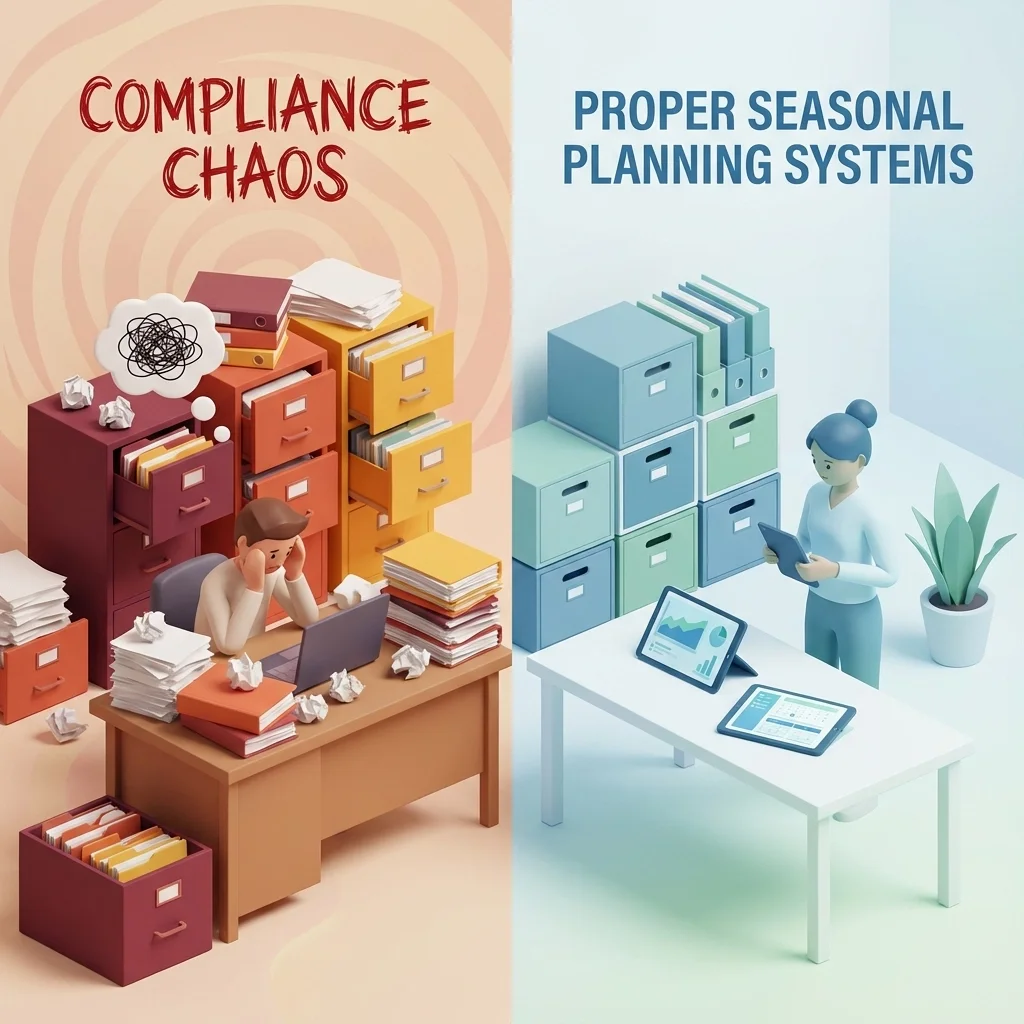
The problem runs deeper than just classification though. Seasonal hiring pressure means you're probably skipping proper onboarding procedures, not documenting worker agreements correctly, and failing to track hours properly. When audit season rolls around, these shortcuts become expensive lessons.
Smart companies build compliance tracking into their regular routines before peak season hits, not during the chaos.
Security Holes Everywhere
Here's something that keeps me up at night: seasonal workers often get the same system access as permanent employees, but with a fraction of the oversight.
Think about it - you're handing out login credentials to someone you hired three days ago, giving them access to customer information, scheduling systems, and payment data. Most companies use shared accounts for seasonal staff, which means when something goes wrong, you have no way to trace who did what.
I've seen seasonal hires accidentally (and sometimes intentionally) access sensitive customer data, modify schedules they shouldn't touch, and create billing errors that take months to untangle. One HVAC company had a seasonal worker accidentally delete an entire week's worth of job assignments because nobody limited their system permissions.
The cybersecurity angle is even scarier. Reduced IT staffing during peak season means less monitoring, and cybercriminals know this. They specifically target businesses during their busy periods because they know security protocols get relaxed.

Safety Shortcuts That Backfire
Seasonal workers get hurt more often than permanent employees. That's not an opinion - it's documented fact. The reason? They receive less training because "there's no time" during busy season.
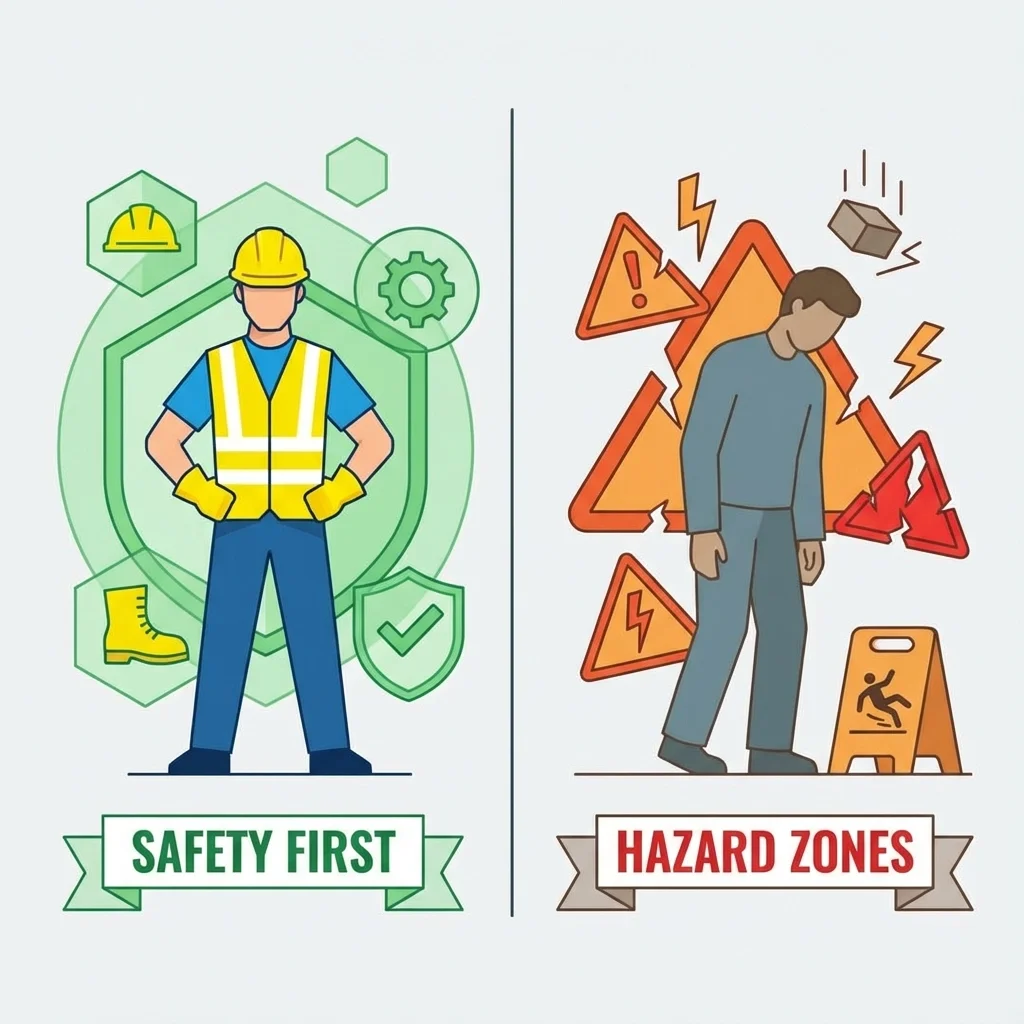
You throw someone onto a crew with minimal safety training because you need bodies on jobs. They don't know proper lifting techniques, haven't learned to recognize hazard signs, and aren't familiar with emergency procedures. Then you act surprised when workers' comp claims spike during your busiest months.
I've watched companies try to speed up training by skipping safety modules or combining multiple training sessions into rushed orientations. The result is always the same - more injuries, higher insurance premiums, and potential lawsuits that cost far more than proper training would have.
The weather factor makes this worse. Seasonal work often coincides with extreme temperatures, and inexperienced workers are more likely to suffer heat exhaustion or cold-related injuries because they don't recognize the warning signs.
This connects directly to why some clients stop calling back - when your seasonal crew causes property damage or gets injured on their property, that client relationship is probably done.
The Vetting Problem
Most companies screen seasonal workers less thoroughly than permanent employees. The logic seems sound - they're temporary, so why invest the same level of effort in background checks?
Here's why that's dangerous: seasonal workers still access customer homes, handle expensive equipment, and represent your brand. A seasonal employee with a history of theft has the same opportunity to steal from customers as anyone else on your team.
The bigger issue happens when you convert high-performing seasonal workers to permanent positions. If you didn't do a complete background check initially, you're essentially hiring a permanent employee based on incomplete information.
I know one company that hired a seasonal landscaper who seemed great during the summer. They offered him a permanent position for the following year. Six months later, they discovered he had a DUI history they never checked, which violated their commercial driving policy. The legal complications from his equipment deliveries during that period were a nightmare.
System Overload and Breakdown
Your existing systems weren't designed for 50% more users. When seasonal demand hits, everything from scheduling software to time tracking starts breaking down.
Shared accounts mean no accountability. Manual workarounds replace automated processes. Silent productivity killers that you ignored during slow periods become major bottlenecks when your team doubles in size.
Most field service software can't handle the sudden spike in data volume. Scheduling becomes a nightmare when you're trying to coordinate twice as many crews. Time tracking fails when workers are sharing logins or using paper systems because the digital tools are too slow.
The real problem isn't the volume - it's that you discover all your system weaknesses at the worst possible time, when you're too busy to fix them properly.
How Labor Sync Approaches Seasonal Scaling
This is where proper workforce management tools become essential. Instead of treating seasonal workers as a necessary evil, successful companies build systems that scale gracefully.
The key is individual accountability from day one. Every worker gets their own login, their own permissions, and their own activity trail. No shared accounts, no shortcuts. When someone makes a mistake, you know exactly who did what and when.
Automated onboarding ensures every seasonal worker goes through the same training process, regardless of how busy things get. You can't skip steps when the system enforces them.
Role-based permissions mean seasonal workers only access what they need for their specific jobs. The scheduling clerk doesn't get admin rights, and the new crew member can't modify customer billing information.

Building Systems That Actually Scale
The companies that succeed during seasonal spikes are the ones that build their systems during the off-season. They don't wait until they're desperate to hire before thinking about processes.
Start by documenting everything that currently happens manually. Those overlooked team ideas often include solutions your experienced workers have developed to handle seasonal chaos.
Create separate workflows for seasonal workers that maintain security and compliance without slowing down the hiring process. This means pre-approved job descriptions, standardized training modules, and automated compliance tracking.
Test your systems before you need them. Run scenarios where you simulate higher user loads and see where things break. It's better to discover your scheduling software can't handle 40 concurrent users during a slow Tuesday than during your busiest week.
Most importantly, track what actually happens during seasonal periods. Converting deadline problems into growth wins starts with understanding where your systems actually fail, not where you think they might fail.
The Real Cost of Weak Systems
Here's the thing about seasonal work - it doesn't just expose weak systems, it amplifies their damage. A compliance violation during slow season might cost you a few thousand dollars. The same violation during peak season, when you're handling 3x the volume, can shut down your entire operation.
Bad hiring decisions stick around longer than you think. That seasonal worker you rushed through onboarding might become permanent, bringing their bad habits into your year-round operations.
System failures during busy periods don't just affect current jobs - they damage relationships with customers who were counting on you during their own busy seasons. When a big client walks away, it's often because your seasonal chaos disrupted their critical operations.
The companies that thrive during seasonal periods are the ones that build robust systems during their off-seasons, not the ones that scramble to patch problems while they're happening.