From Overtime to Output

Here's a question that might sting a little: Do you actually know what your crew accomplished today, or do you just know how long they were on the clock?
If you're like most field service business owners, you've been trained to think in hours. Forty hours is good. Fifty hours means they're working hard. Sixty hours? Well, that's dedication, right?
Not so fast.
Overtime has become this weird badge of honor in the trades. But here's the truth nobody wants to talk about: more hours don't automatically mean more work getting done. In fact, research shows that a 10% increase in overtime leads to a 24% decrease in output per hour. Read that again. Your team is literally getting less efficient the longer they work.
So maybe it's time to stop obsessing over hours and start paying attention to what actually matters, output.
The Overtime Trap
Let's be real. Overtime is expensive. Between time-and-a-half wages, increased fatigue, and the mistakes that come with tired workers, those extra hours are eating into your margins way more than you think.
But the bigger problem? Overtime often masks inefficiency.
When your crew regularly needs 50 hours to do what should take 40, that's not a staffing problem. That's a process problem. And throwing more hours at a broken process is like putting a bigger bucket under a leaky roof instead of just fixing the hole.

The worst part is that sustained overtime actually makes your whole operation slower. Fatigued employees don't just slow down during the extra hours, they slow down across all their hours. Their focus drops. They make more mistakes. Sometimes those mistakes take longer to fix than the original work would have taken.
One study found that an employee working 60 hours per week for two months will produce less total output than the same employee working 40 hours over the same period. Let that sink in. You're paying more and getting less.
If you've noticed your profits disappearing without understanding why, overtime could be your silent culprit.
From Hours to Output: The Mindset Shift
So what's the alternative? Simple: start measuring what your team actually produces, not just how long they're around.
This doesn't mean cracking the whip or micromanaging every minute. It means getting visibility into what's actually happening in the field so you can make smarter decisions.
Ask yourself:
How many jobs are we completing per day?
What's our average time per job type?
Where are we losing time between jobs?
Which crews are consistently hitting targets, and which ones aren't?
When you shift from tracking hours to tracking output, you start seeing patterns. Maybe one crew finishes jobs 30% faster than another. Why? Maybe your travel routes are inefficient and your guys are burning an hour a day just driving. Maybe certain job sites always run long because of poor planning upstream.
This is the kind of visibility that actually helps you run your business. And yes, this is exactly what better decision-making through visibility looks like in practice.

Where Time Actually Goes (Spoiler: It's Not Always the Job Site)
Here's what we see all the time with field crews: the actual work isn't the problem. It's everything around the work.
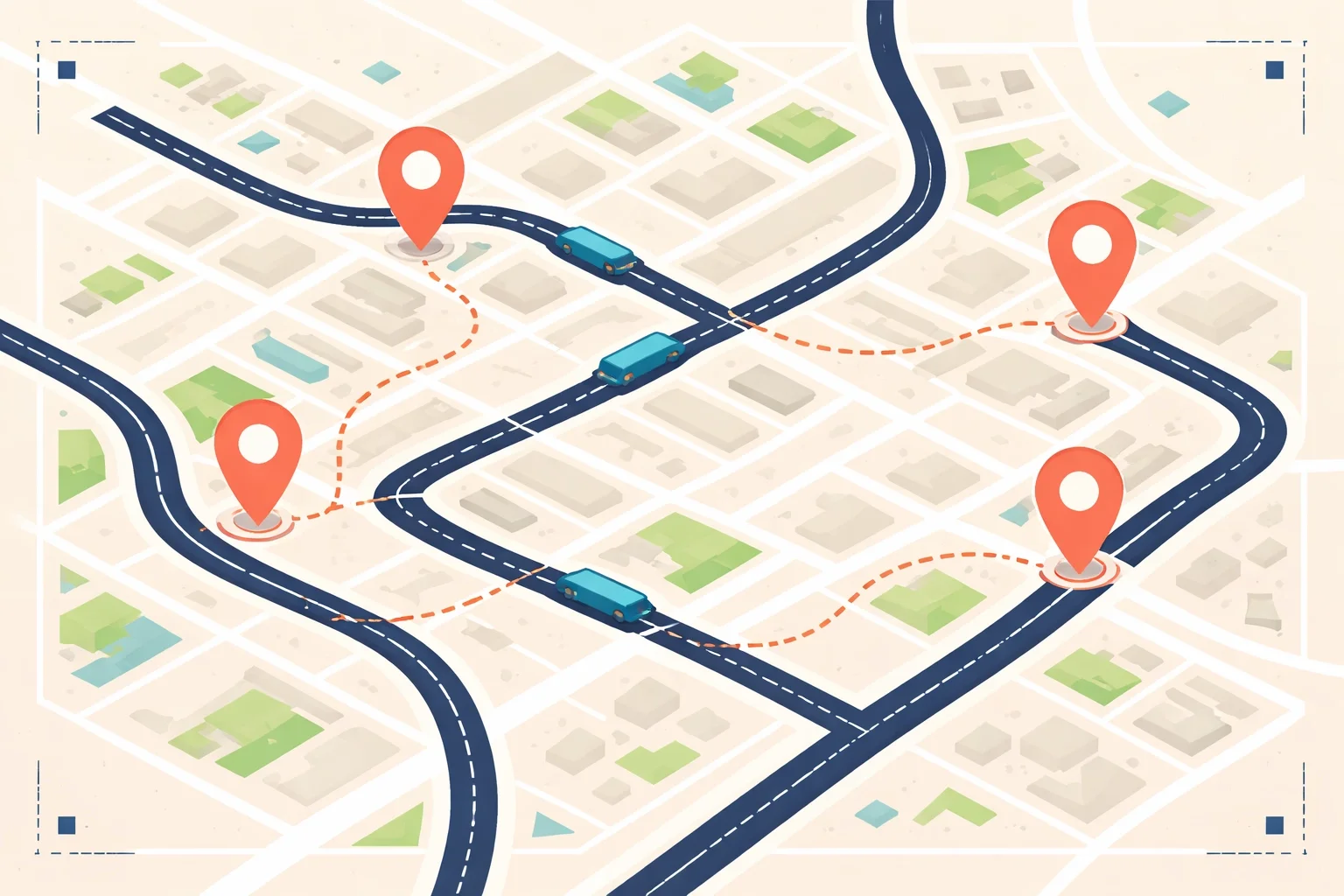
Travel time is a huge one. If your dispatcher is sending crews across town when there's a job two blocks away, you're burning hours on windshield time. That's not output: that's overhead.
Job site delays are another killer. Waiting on materials. Waiting on access. Waiting on the customer who said they'd be home but isn't. Every minute spent waiting is a minute not spent producing.
Paperwork and admin also adds up. If your crew is spending 30 minutes at the end of every day filling out paper timesheets or texting updates, that's time that could go toward billable work: or, you know, going home to their families.
The problem is that most business owners don't have visibility into any of this. They just see the total hours and wonder why the numbers don't add up.
Sound familiar? You might want to read about why paper timesheets are holding you back.
Using Data to Find the Leaks
Once you start collecting real data on where time goes, you can actually do something about it.
Let's say you notice that jobs in one part of town consistently take 20% longer. Is it traffic? Bad scheduling? A crew that needs more training? You can't fix it if you don't see it.
Or maybe you realize that certain job types always run over estimate. Now you can adjust your pricing, improve your scoping, or figure out what's causing the overruns.
Data doesn't have to be complicated. It just needs to be accurate and accessible. That's where a tool like Labor Sync comes in. It gives you real-time visibility into where your crews are, what they're working on, and how long things actually take: without the guesswork.
When you can see the whole picture, you can stop relying on gut feelings and start making decisions based on facts. And honestly? That's how you stop feeling like running your business is harder than it should be. (Here's more on why business feels harder than it used to.)
Optimizing Without Burning Out Your Team
Here's the thing: this isn't about squeezing more work out of your people. It's about making the work smoother so everyone can go home on time.
When you reduce wasted travel, cut down on delays, and streamline admin tasks, your crew doesn't need overtime to hit targets. They can be productive in normal hours and actually have a life outside of work.
That matters more than you might think. Burned-out employees don't stick around. And replacing good workers is expensive: not just in recruiting costs, but in lost knowledge and team cohesion. If you're worried about turnover, check out why good employees quit. Spoiler: it's often about feeling overworked and undervalued.
Efficiency isn't about working harder. It's about working smarter. And when your team sees that you're investing in tools and processes that make their lives easier, they'll stick around longer and work better.
Small Changes, Big Results
You don't have to overhaul everything overnight. Start with visibility.
Track where time is actually going for a couple of weeks. Look for patterns. Where are the bottlenecks? Where's the waste? Then pick one or two areas to improve.
Maybe it's tightening up your scheduling to reduce travel. Maybe it's getting better at scoping jobs so estimates are more accurate. Maybe it's just switching from paper timesheets to digital tracking so you're not losing hours to admin.
Small tweaks add up. A 15-minute improvement per job across four jobs a day? That's an hour back. Five days a week? That's five hours. Over a year? You've just reclaimed hundreds of hours without asking anyone to work harder.
That's the shift from overtime to output. It's not about cracking down: it's about clearing the path.
And if you need help building crew leader habits that actually work, that's a great place to start.
The Bottom Line
Overtime isn't a strategy. It's a symptom.
When you're stuck in the hours mindset, you'll always be chasing the clock. But when you focus on output: on what's actually getting done and where time is being wasted: you can build a more efficient, more profitable, and more sustainable operation.
Labor Sync gives you the visibility to make that shift. No guesswork. No spreadsheets. Just clear data on where your crew's time is going, so you can optimize the stuff that matters.
Your team will thank you. Your margins will thank you. And you might even get to leave the office before dark once in a while.