Ideas Don’t Build Businesses. Crews Do.

You’ve heard the stories. A guy sits in a coffee shop, scribbles a "disruptive" idea on a napkin, and suddenly he’s a billionaire. It’s a great story for a movie, but it’s not how the real world works: especially not in industries like construction, landscaping, or field services.
In the real world, ideas are cheap. Everyone has a "million-dollar idea" while they’re sitting on the couch. But an idea has never framed a house. An idea has never paved a road, fixed a burst pipe at 2 AM, or hauled ten tons of gravel across state lines.
Growth doesn't come from the brainstorm session in the air-conditioned office. It comes from the guys in the field, the women behind the wheels, and the crews on the job sites who actually turn those blueprints into reality.
If you’re running a business, you might be the "visionary," but your crew is the engine. And if you want that engine to run smoothly, you have to stop focusing on the "big ideas" and start focusing on the people doing the work.
The Execution Gap: Where Ideas Go to Die
There is a massive canyon between having a plan and getting it done. In the industry, we call this the execution gap.
You can have the most advanced project management strategy in the world, but if your crew doesn’t have the right tools: or if they’re bogged down by useless paperwork: that strategy isn't worth the paper it’s printed on. A business is essentially a collection of actions. If those actions are efficient, you grow. If they’re messy, you stall.
Think about a typical morning. If your crew is spending thirty minutes figuring out where they’re supposed to be, another twenty minutes trying to find a working pen to sign a paper timesheet, and ten minutes calling the office because the instructions are unclear, you’ve lost an hour of productivity before a single tool has been touched.
That’s friction. And as we like to say, growth comes from removing that friction. When you prioritize the crew's experience, you naturally bridge the execution gap. You move from "thinking about doing" to "actually getting it done."
Respecting the Hustle
There’s a specific kind of respect that comes from working in the trades. It’s a respect for the hustle: the physical labor, the long hours, and the skill required to do the job right.
Often, software companies build tools for the "boss." They build fancy dashboards and complex reports that look great in a boardroom but are a nightmare for the guy wearing work gloves. That’s a mistake.
At Labor Sync, we realized early on that if the software doesn’t work for the crew, it doesn’t work for the business. If it’s too hard to use, they won’t use it. Or worse, they’ll resent it.

Respecting the hustle means providing tools that actually make the worker's life easier. It means a button that’s easy to hit when you’re walking onto a site. It means automated GPS that proves they were where they said they were, so there’s never a dispute about their paycheck.
When you treat your crew like the professionals they are, they perform like professionals. It’s not about "monitoring" them like they’re in a lab; it’s about giving them a platform where their hard work is accurately recorded and rewarded.
Stop Making the Job Harder Than It Needs to Be
A lot of business owners are accidentally sabotaging their own crews. They do it by holding onto outdated systems because "that’s how we’ve always done it."
Manual time tracking is the ultimate business-killer. It’s a distraction that pulls people away from their actual skills. Your best foreman shouldn't be spending his Friday afternoon chasing down crumpled pieces of paper from the floor of a pickup truck. He should be prepping the site for Monday.
When you reduce distractions, you gain time. It’s that simple. By moving from a paper-based mess to a streamlined digital system, you aren't just "adding an app." You’re removing a burden. You’re telling your crew, "I value your time too much to make you do manual data entry."
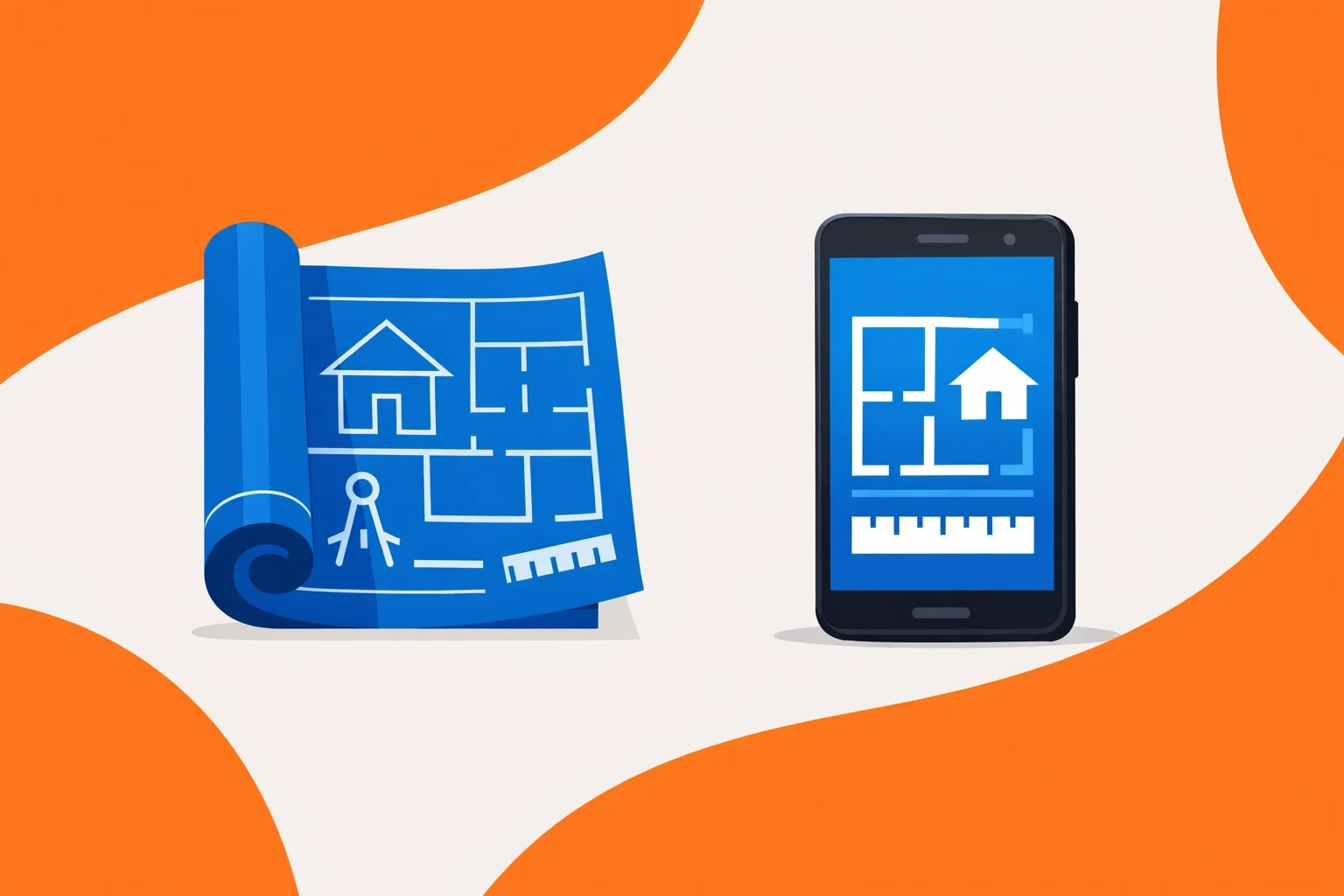
This shift is part of the evolution from blueprints to smartphones. The modern job site is digital, not because it’s "cool," but because it’s efficient. It allows the crew to focus on the build, not the bureaucracy.
Communication: The Glue That Holds the Crew Together
An idea might start with one person, but it’s finished by a team. That requires communication.
In the old days, communication was a series of frantic phone calls and "I thought you said..." arguments. That’s a recipe for mistakes, and mistakes are expensive. Whether it’s a change in the project scope or a warning about a safety hazard, information needs to flow instantly.
Building a safety-first culture on the jobsite depends entirely on how well your crew can communicate. If they can get a message out to everyone at once: without having to stop what they’re doing to play phone tag: the whole operation becomes safer and faster.
Labor Sync doesn't just track time; it connects people. It ensures that everyone is on the same page, literally and figuratively. When the crew feels connected, they feel like they’re part of something bigger than just a paycheck. They’re building a business.
Measuring What Matters
If you want to grow, you have to only improve what you measure.
You can’t improve "an idea." You can only improve a process. How long does it take to get from Site A to Site B? How many man-hours did that foundation actually take compared to the estimate?
When you have real-time data coming in from the field, you stop guessing. You start knowing. This data doesn't come from a "visionary" brainstorm; it comes from the collective movement of your crew.
By tracking the actual work being done, you can see where the bottlenecks are. Maybe your crew is great, but they’re losing two hours a day waiting for material deliveries. You wouldn't know that if you were only looking at the "big picture." You only know that by looking at the boots on the ground.

The Bottom Line: Your Crew is Your Brand
At the end of the day, your customers don't care about your "business philosophy." They care if the job was done on time, on budget, and at a high level of quality.
The people responsible for those three things are your crew.
Your reputation is built every time a worker shows up on time, finishes a task correctly, and communicates professionally. If you give them the tools to succeed: like easy-to-use time tracking, clear messaging, and accurate payroll: they will build your business for you.
Ideas are the spark, but the crew is the fire. Stop worrying about the next "big thing" and start taking care of the people who are out there in the rain, the heat, and the dirt making things happen.
Labor Sync was built for them. Because we know that when the crew wins, the business wins.