Building a Safety-First Culture
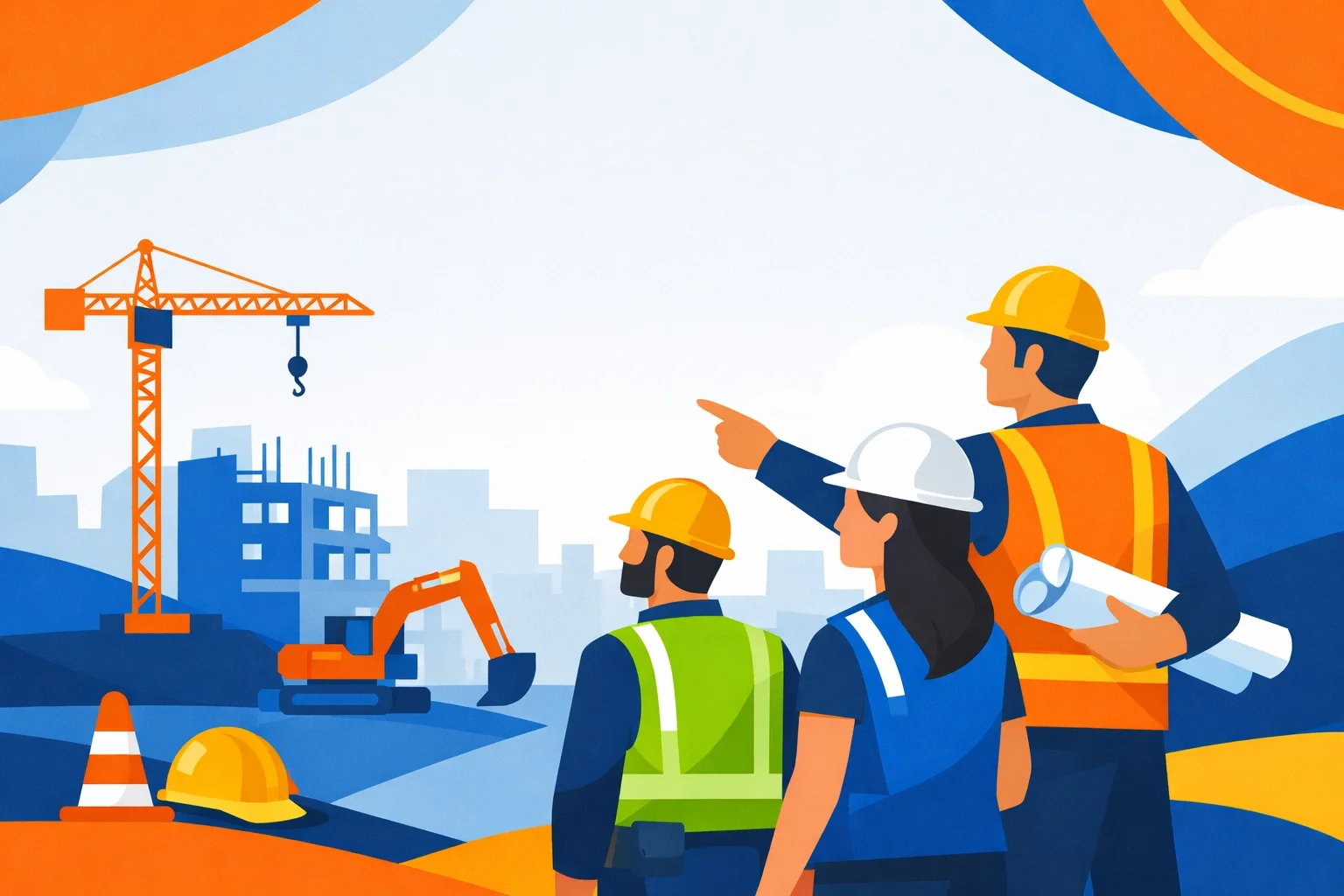
Let's be honest: most of us know what the OSHA binder looks like. It sits on a shelf in the office, gets pulled out for inspections, and collects dust the rest of the year. Check the box, move on, right?
But here's the thing: meeting the minimum compliance standards doesn't mean you've actually built a safe job site. There's a massive difference between "we followed the rules" and "everyone went home safe today because we looked out for each other."
Building a real safety-first culture means moving beyond the paperwork and creating an environment where safety isn't something you do because you have to: it's something you do because you genuinely care about the people on your crew.
The Mindset Shift: From Clipboard to Culture
Safety culture doesn't live in a binder. It lives in the daily decisions your team makes when no one's watching.
It's the veteran crew member who stops a rookie from cutting a corner. It's the foreman who delays a pour because the weather turned sketchy. It's the team that speaks up when something feels off, even if it means pushing back a deadline.
This kind of culture starts with leadership: but it can't end there. When safety is just a top-down mandate, it feels like another rule to follow. But when it's a shared value across the entire team, it becomes second nature. Everyone looks out for everyone else, because that's just how things work here.
The shift happens when you stop treating safety as a checklist and start treating it as a team sport. Your crew needs to feel empowered to call out hazards, pause work when needed, and know they won't face pushback for prioritizing safety over speed.
Fatigue is the Silent Safety Killer
We've all been there. The project's behind schedule, the client's breathing down your neck, and you need to push the crew to catch up. So you add hours: maybe a Saturday, maybe some late nights. It seems like the logical move.
But here's what really happens: tired workers make mistakes. Fatigue slows reaction times, kills focus, and turns routine tasks into potential accidents. That "just one more hour" can be the difference between a clean day and a trip to the ER.
According to research, fatigue is one of the top contributors to workplace incidents. When your crew is running on fumes, they're not just less productive: they're legitimately unsafe.
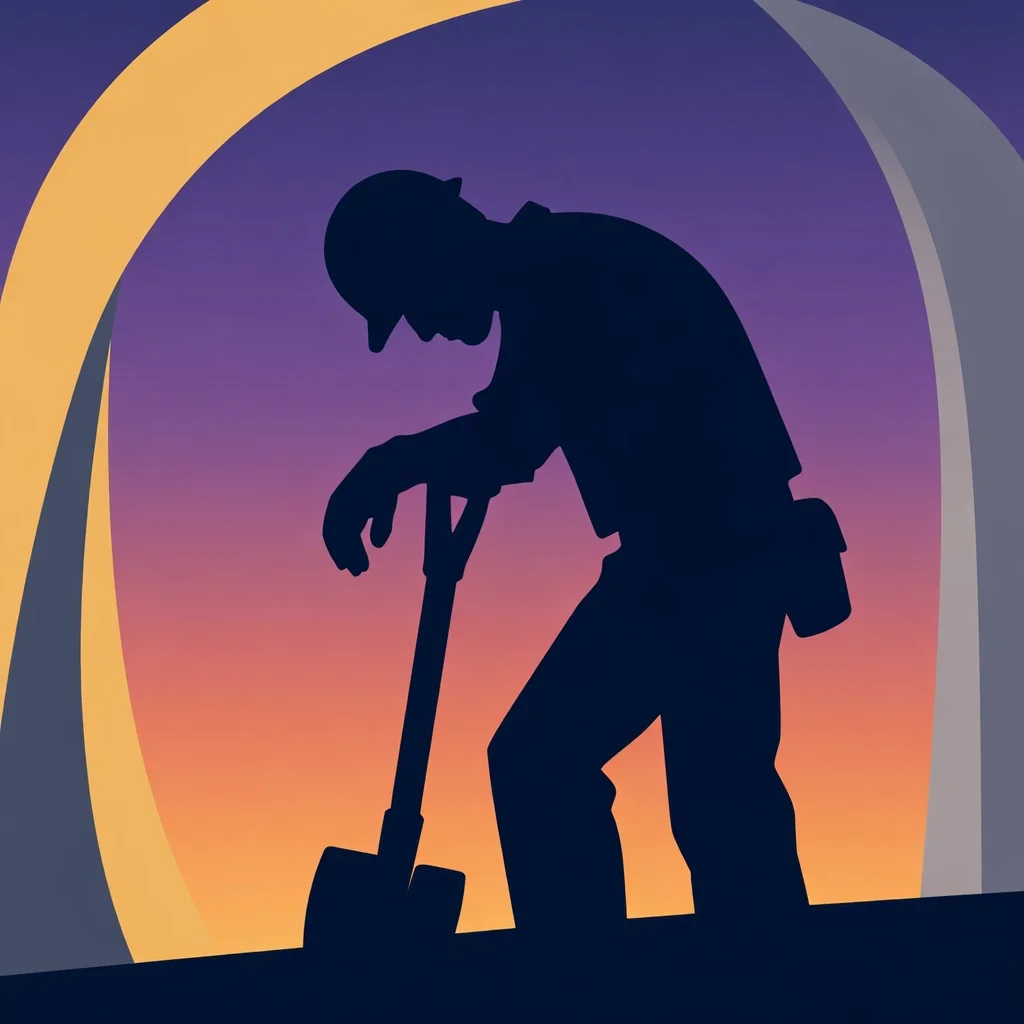
This is where tracking hours becomes more than just payroll admin: it's a safety tool. When you can actually see who's been clocking 60-hour weeks or who hasn't had a real day off in two weeks, you can step in before burnout leads to an accident.
Tools like Labor Sync automatically track hours across all your crews, giving you real-time visibility into who's overworked and who needs a break. It's not about micromanaging: it's about catching the warning signs before someone gets hurt.
Because honestly? No deadline is worth someone's safety. Full stop.
Real-Time Awareness: Knowing Who's Where (And Why That Matters)
Pop quiz: Do you know exactly which crew members are at which job sites right now? What about if an emergency happened: could you confirm everyone's accounted for in under two minutes?
If you hesitated, you're not alone. When you're managing multiple sites, keeping tabs on everyone is genuinely hard. But it's also genuinely critical for safety.
Real-time location tracking isn't about being Big Brother: it's about being prepared. If there's an accident, a weather emergency, or a hazmat situation, you need to know immediately who's in the danger zone and who's safe. Minutes matter.
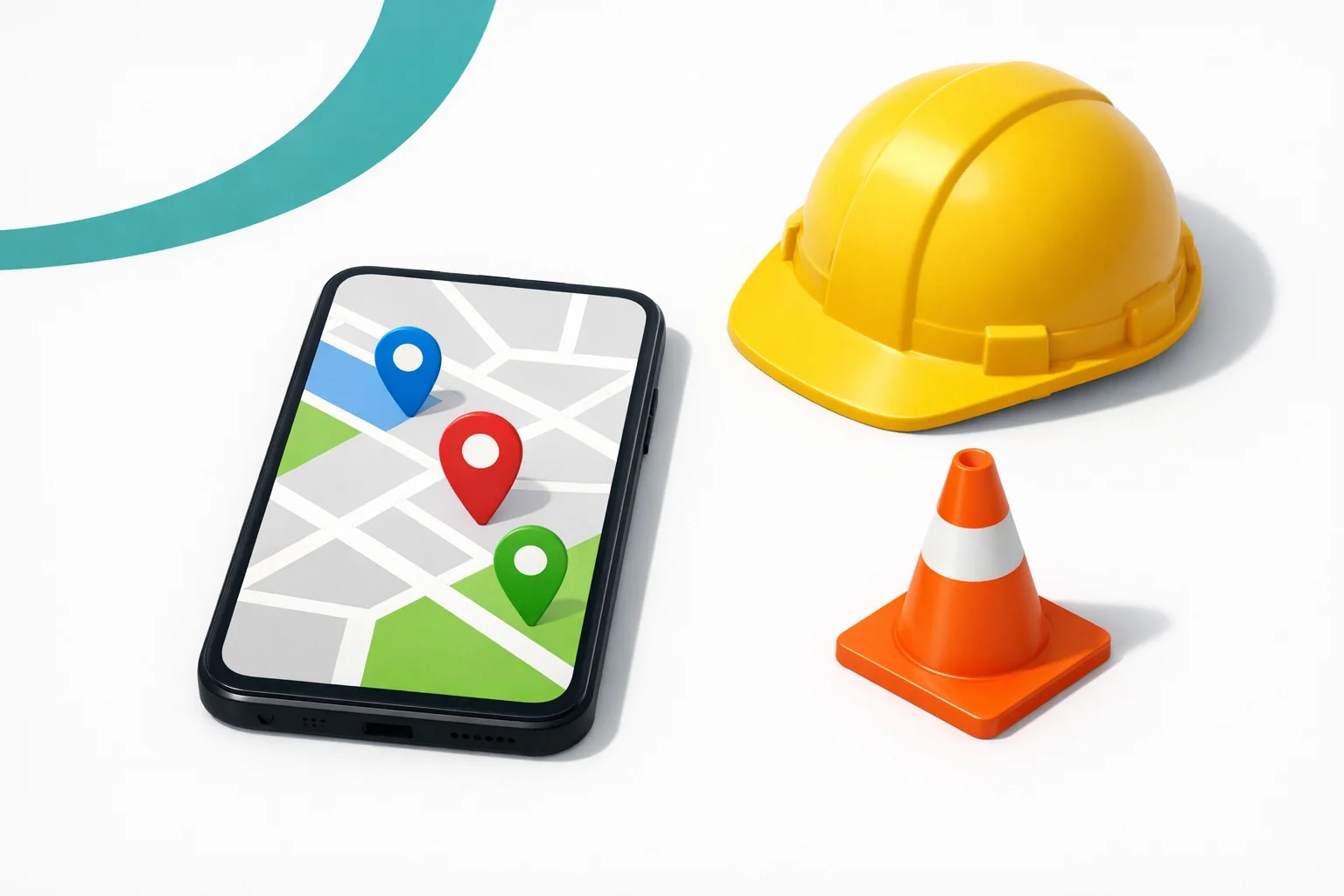
GPS-enabled time tracking means you always have a live view of your workforce. You know who arrived on site, who's working where, and who's already gone for the day. If something goes wrong, you're not scrambling to piece together who was there: you already know.
This kind of visibility also helps with everyday safety management. You can verify that crews actually showed up to the right location (no one accidentally working at an unsecured site). You can confirm that lone workers checked in. You can even track travel time to ensure people aren't rushing dangerously between jobs.
When you have better visibility across your operation, safety naturally improves. It's one of those simple tech upgrades that delivers immediate, tangible protection for your team.
Rewarding Safety (Not Just Punishing Mistakes)
Here's how most construction companies handle safety: nothing happens when things go well, but when someone screws up, there's hell to pay.
That approach? It doesn't work.
If your crew only hears about safety when someone's getting written up, they'll start viewing safety rules as "things to avoid getting in trouble for" rather than "things that keep us safe." And that's a problem.
The better approach is to flip the script: recognize and reward the people who consistently follow protocols, call out hazards, and help create a safer environment. Make safety something people want to be good at, not just something they avoid being bad at.
This could look like:
Monthly safety bonuses for crews with zero incidents
Public recognition for workers who identify and report hazards
Small rewards (gift cards, extra PTO, team lunches) for hitting safety milestones
Involving your safest workers in training new crew members
When you celebrate safety wins, you're reinforcing the behavior you want to see more of. You're making it clear that safe work isn't just expected: it's valued.
And here's the thing: tracking who's actually following safety protocols is way easier when you're not drowning in paperwork. When systems like Labor Sync handle the administrative heavy lifting: recording hours, logging locations, tracking certifications: your safety managers can spend more time on what actually matters: being present, coaching crews, and recognizing good work.
Making the Paperwork Invisible
Let's talk about the elephant in the room: safety documentation is a massive pain.
You need to track certifications, log safety meetings, record incidents, monitor training hours, and maintain inspection reports. It's necessary: but it's also time-consuming and tedious. And every minute your foremen spend filling out forms is a minute they're not actually watching the crew.
This is exactly where technology should step in and make your life easier.
The right workforce management tools automate the administrative side of safety so your team can focus on the actual job site. Instead of clipboards and spreadsheets, you get automatic hour tracking, location verification, and real-time data that helps you spot potential problems before they become actual problems.
Labor Sync handles the boring stuff: recording who's where, how long they've been working, and whether they're approaching overtime thresholds: so your crew can keep their eyes on the site instead of on paperwork.
When you streamline your processes, safety improves almost as a side effect. People have more time to do things right. They're not rushing through safety checks to get to the "real work." They can focus on what matters.
The Culture Piece: Daily Habits That Stick
Building a safety culture isn't about one big dramatic change: it's about small, consistent habits that add up over time.
Daily toolbox talks. Quick safety huddles before starting each job. Regular site walkthroughs where everyone's encouraged to point out hazards. These simple practices create a rhythm where safety is constantly top of mind.
Make it easy for people to report concerns. If workers think they'll be blown off or face pushback for raising safety issues, they'll stop reporting them. Create clear channels for hazard reporting and: this is the important part: actually respond when people use them.
Follow up matters too. When someone reports a hazard, fix it quickly and let them know it's been addressed. When you see unsafe behavior, correct it immediately and consistently. When someone does something safely that could've been done faster but more dangerously, acknowledge it.
The goal is to make safety feel like part of the job, not extra work on top of the job. When you're managing multiple job sites, consistency is key. The safety standards at Site A should match Site B, and your crews should know exactly what's expected regardless of location.
The Bottom Line: Culture Beats Compliance
Look, you're going to meet OSHA requirements either way: that's just the cost of doing business. But if you stop there, you're missing the bigger picture.
A genuine safety-first culture protects your crew, improves morale, reduces turnover, lowers insurance costs, and builds your reputation. Clients notice when your teams work safely and professionally. Good workers want to stay at companies where they feel valued and protected.
The companies that treat safety as a core value rather than a compliance checkbox? They're the ones that attract the best talent, win the best contracts, and build the strongest reputations in the industry.
And honestly, at the end of the day, it's pretty simple: everyone deserves to go home safe. Every single day. No exceptions.
When you build systems, habits, and technology around that principle: rather than around checking boxes: that's when you've moved from compliance to culture.
The cool part? The tools to make this easier already exist. You don't need to reinvent the wheel or hire a massive safety team. You just need to prioritize safety genuinely, give your crew the right tools to work safely, and create an environment where looking out for each other is just what you do.
[CTA: Build Your Safety Culture]
Getting Started
If you're ready to move beyond the binder on the shelf and actually build a safety culture, start small:
Talk to your crew. Ask them what hazards they see, what makes them feel unsafe, and what would help them work more safely.
Track the data that matters. Who's overworked? Where are incidents happening? What patterns are emerging? You can't fix what you can't see.
Recognize safe work. Start celebrating the wins, not just punishing the mistakes.
Use technology wisely. Let software handle the administrative burden so your people can focus on actual safety management.
The job site is already demanding enough. By building real safety habits into your daily operations: and using tools like Labor Sync to make the admin side painless: you can create a culture where safety isn't something people think about, it's just how things work.
Because at the end of the day, that's what separates companies that check boxes from companies that actually protect their people.