Leading Through Uncertainty

Let's be real, uncertainty is part of the game. Economic dips, project delays, supply chain nightmares, weather shutdowns, and everything in between. If you're running a field crew, you've probably had that sinking feeling when you need to tell your team that things are shifting... again.
But here's the thing: your crew can handle tough times. What they can't handle is being kept in the dark or feeling like the ground is constantly shifting beneath their feet. The difference between a team that falls apart under pressure and one that pushes through? Leadership that creates stability even when nothing else feels stable.
Why Morale Matters More Than You Think
When you're managing people working in the field, whether it's construction, landscaping, HVAC, or any hands-on work, morale isn't just a nice-to-have. It's everything.
Low morale means mistakes. It means people calling out. It means shortcuts, accidents, and quality issues. It means your best workers start quietly looking for other opportunities. And in uncertain times, you can't afford any of that.
Your crew members are probably worried about the same things you are. Will there be enough work? Will hours get cut? Are layoffs coming? That mental weight affects how they show up to the job every single day. (We've talked before about how this mental load impacts field businesses, and it's worth understanding.)
Be the Calm in the Storm
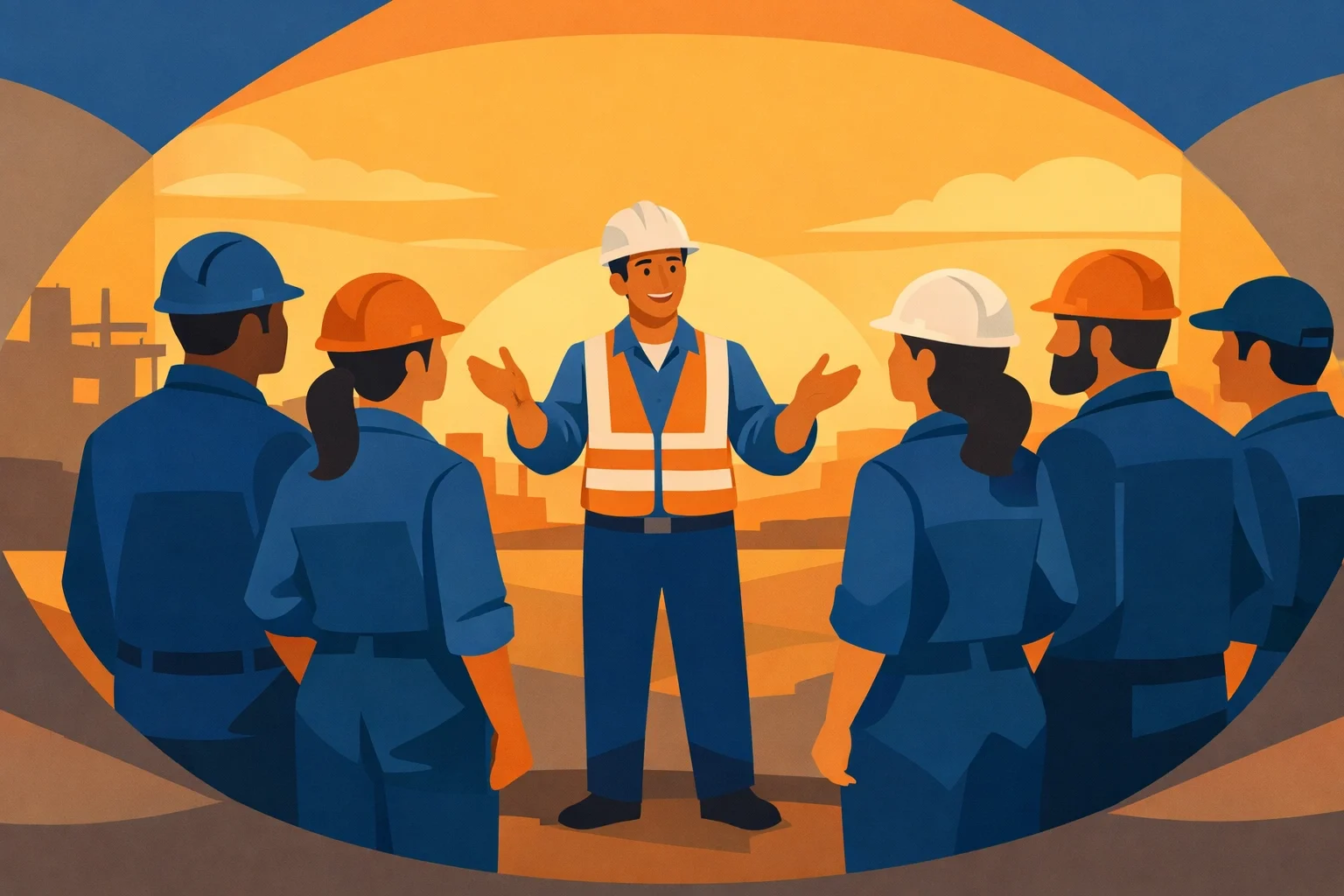
Your team is watching you. Every email, every team meeting, every interaction, they're looking for clues about how worried they should be. If you're panicking, they're panicking. If you're calm and clear, they can breathe a little easier.
That doesn't mean pretending everything is fine when it's not. It means being the steady presence that helps everyone navigate whatever's coming. Here's how:
Tell Them What You Know (And What You Don't)
The worst thing you can do during uncertain times is go silent. People fill silence with their worst fears. If you're not communicating, they're assuming the worst and spreading rumors that are probably worse than reality.
Be honest. "Look, the next few months are going to be tight. We've got three solid projects lined up, but we're still waiting to hear about two others. Here's what I know today, and I'll update you as soon as I know more."
That's infinitely better than radio silence followed by a sudden announcement that catches everyone off guard.
Share the "Why" Behind Decisions
When you have to make tough calls, cutting overtime, shifting schedules, changing crew assignments, explain why. Your team members are adults with bills to pay and families to support. They deserve to understand the reasoning.
"We're spreading the available hours across the crew instead of cutting anyone completely because I want everyone to stay employed and ready when things pick back up" goes a lot further than just announcing a schedule change with no context.
This kind of transparency builds trust. And trust is what holds teams together when times are tough. (It's also the foundation of good morale, something we've written about before.)
Create Stability Through Systems, Not Chaos
When everything else feels unpredictable, having some things that are consistent and reliable makes a huge difference. Your team needs to know that even if the work is uncertain, some things won't change.
One of the biggest sources of stress for field workers? Not knowing if they're getting paid fairly for the work they're doing. When times are tight and hours might be irregular, that anxiety gets even worse.
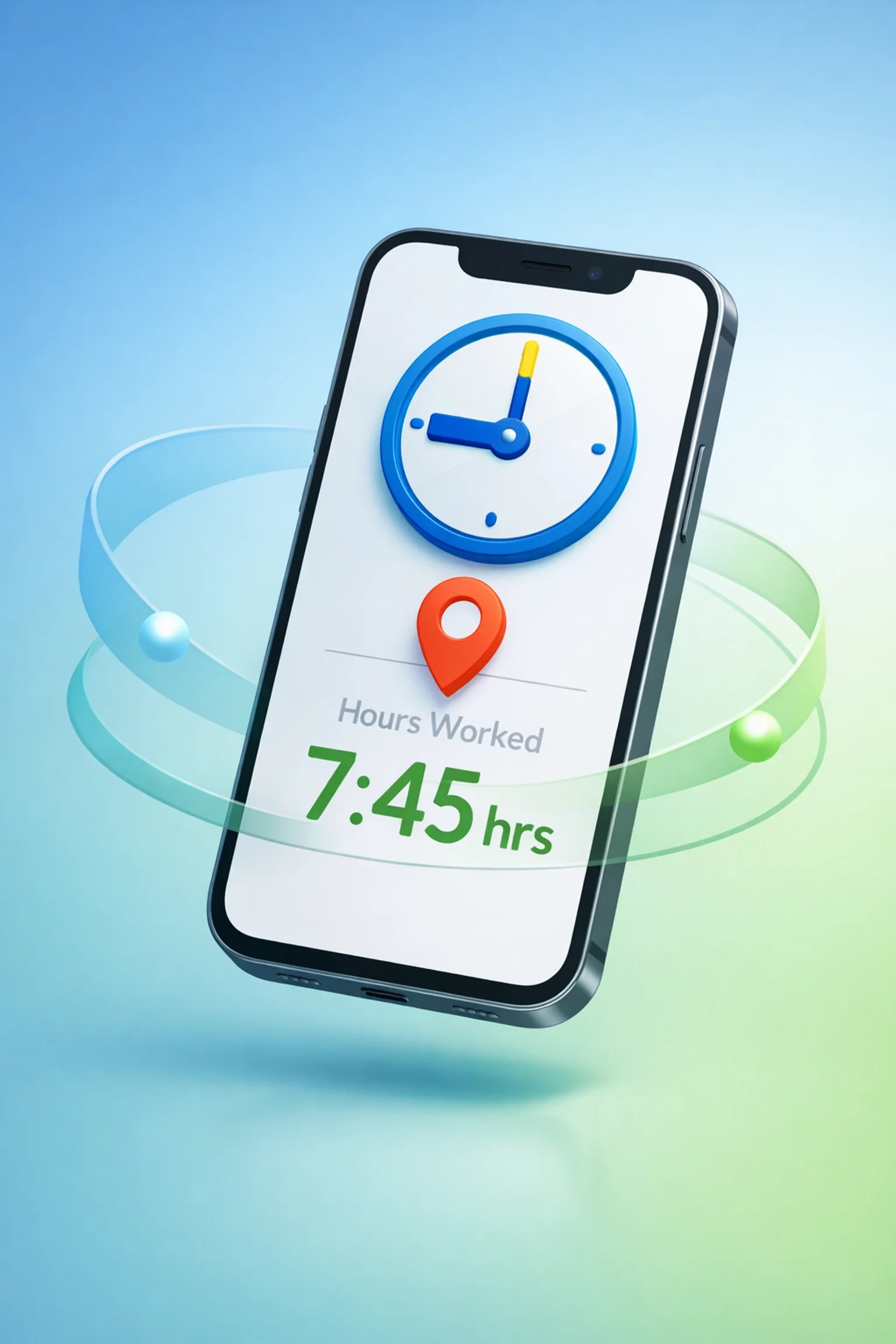
This is where having a solid, transparent system for tracking hours becomes critical. When your crew knows that every single minute they work is accurately recorded and they'll be paid exactly what they've earned, no guesswork, no disputes, no "I thought I worked more hours than this", it removes a huge source of stress.
Labor Sync makes this simple. Every clock-in, every clock-out, every break, it's all tracked with GPS verification so there's never a question. Your crew can check their hours anytime. You can see exactly who worked where and when. When payday comes, nobody's wondering if they got shorted or if the numbers are right.
That might seem like a small thing, but during uncertain times, small things matter. Knowing that the one thing you can control, getting paid fairly for your time, is rock solid? That's huge for morale.
Give Your Team Control Where You Can
Uncertainty means people feel like they've lost control. Counter that by giving them control where possible.
Can they have some flexibility in their schedules? Can they pick up extra shifts if they're available? Can they see their hours in real-time instead of waiting for payday to find out what they made?
These small pieces of control help people feel less helpless. They might not be able to control whether the economy tanks or whether that big project gets approved, but they can control when they clock in, see their progress toward their hours, and plan accordingly.

Recognize the People Holding It Together
During tough times, some people on your crew will step up. They'll be the ones keeping spirits up, helping newer folks, taking on extra responsibilities, and generally being the glue that holds the team together.
Don't let that go unnoticed.
A simple "Hey, I see what you're doing and I appreciate it" can make someone's week. Public recognition in a team meeting. A small bonus when you can afford it. Even just making sure they get first pick of the better assignments.
These people are your culture champions: the ones who reinforce that your team sticks together and takes care of each other. Lift them up, because they're lifting everyone else.
What Not to Do
Let's talk about the mistakes that tank morale faster than anything:
Don't make promises you can't keep. "Everything will be back to normal next month" sounds reassuring, but if next month comes and things aren't better, you've destroyed your credibility.
Don't play favorites. If you're cutting hours, spread it fairly. If some people are working less while others are working full time for no clear reason, resentment will eat your team alive.
Don't surprise people with bad news. If layoffs or cuts are coming, give people as much heads-up as you possibly can. They need time to prepare.
Don't disappear. Be visible. Be available. Be present. Even if you don't have good news to share, being there matters.
The Long Game: Building Resilient Teams
Here's the truth: tough times reveal what your team is really made of. Teams with strong foundations built on fairness and clear systems come out stronger. Teams built on shaky ground fall apart.
The investments you make now in honest communication, fair systems, and showing your people you've got their backs: those pay dividends long after the uncertainty passes. The crew members who see you handle a crisis with integrity? They remember. They become loyal. They tell others.
And when things turn around (because they always do), you'll have a team that trusts you and is ready to crush it.
You Can't Control Everything, But You Can Control This
You can't control the economy. You can't control whether projects get delayed. You can't control supply chain issues or weather or any of the thousand other things that create uncertainty.
But you can control how you show up for your team. You can control whether you communicate honestly. You can control whether you have fair, transparent systems in place. And you can control whether your people feel valued and heard.
That's not nothing. That's actually everything.
Because at the end of the day, your crew isn't just working for a paycheck (though making sure every dollar earned is a dollar paid is important). They're working for a leader who treats them right, who's honest with them, and who creates an environment where they can do good work without constantly looking over their shoulder.
Be that leader, especially when times are tough. Your crew: and your business: will be better for it.
Understanding where your team stands, how work is flowing, and where you can make better decisions with better visibility gives you the foundation to lead through anything. The businesses that weather storms are the ones that built strong systems when the sun was shining.