Gen Z in the Trades
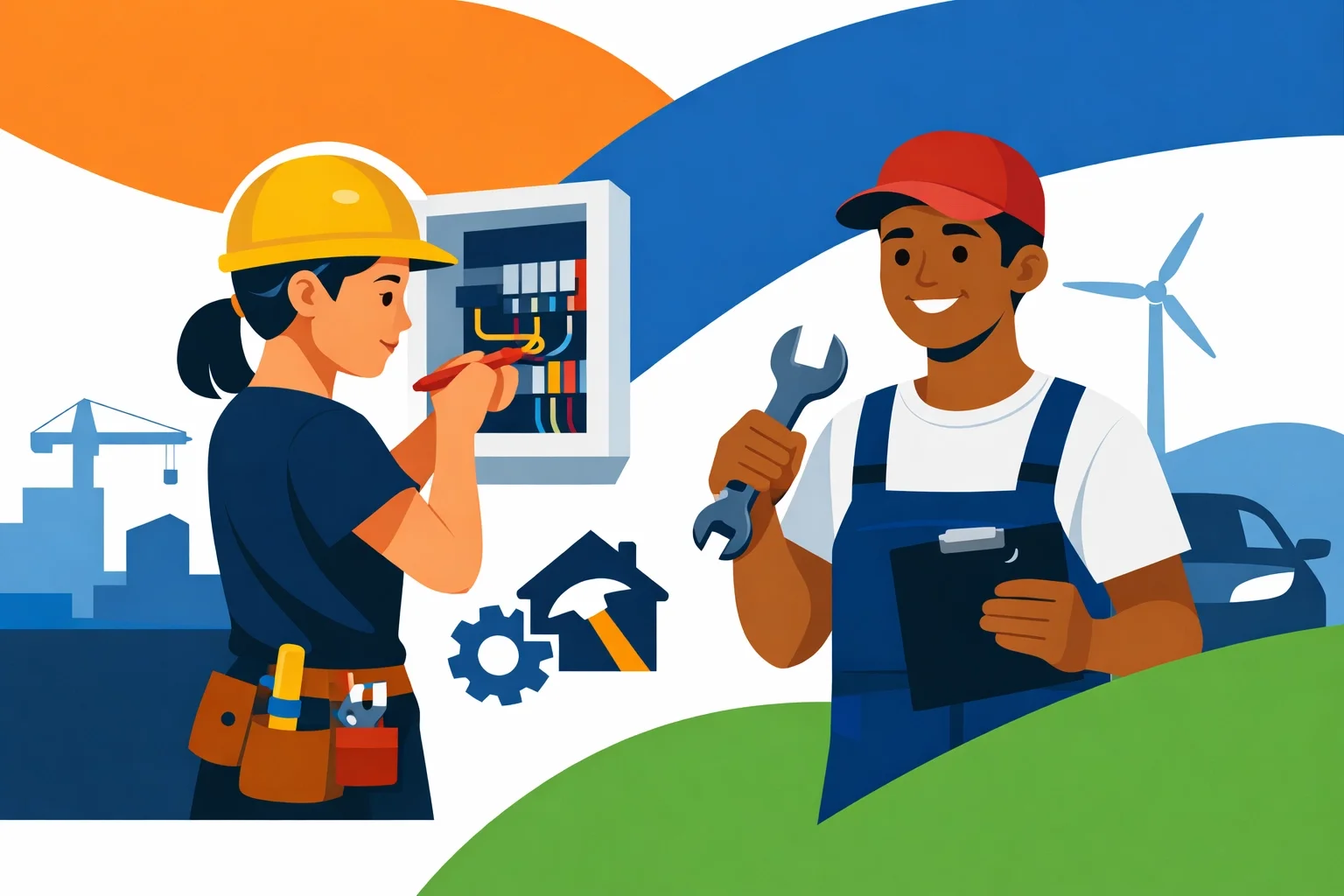
Here's a wake-up call: the average construction worker is 42 years old, and Baby Boomers: who make up about 14% of the current workforce: are hanging up their hardhats faster than you can say "retirement party." Meanwhile, Gen Z (born between 1997 and 2012) is just starting to enter the workforce, and they're looking at the trades with fresh eyes.
The problem? A lot of companies are still recruiting like it's 1995. Paper applications, vague job descriptions, and zero mention of the tech that actually runs the business. If you want to attract the next generation of skilled workers, you need to speak their language: and spoiler alert: it's digital.
The Gray Wave: Why the Trades Have an Age Problem
Let's be real. Walk onto most job sites, and you'll see a lot more gray hair than TikTok references. That's not necessarily a bad thing: experience matters. But when a huge chunk of your workforce is approaching retirement age, you've got a ticking clock.
The trades are facing what some people call a "silver tsunami." Boomers are retiring, and there simply aren't enough younger workers ready to take their place. This isn't just about filling positions: it's about transferring decades of knowledge, skill, and craftsmanship before it walks out the door for good.

Gen Z represents about 26-30% of the global workforce in 2026, and they're not going to magically show up at your door just because you posted a "Now Hiring" sign. You need to actively recruit them, and that means understanding what they actually want from a job.
Tech Isn't a Perk: It's an Expectation
Here's the thing about Gen Z: they've never lived in a world without smartphones. They expect apps for everything: ordering food, booking rides, managing their bank accounts. So when they show up to a job and you hand them a paper timesheet and a clipboard? That's a red flag.
To Gen Z, your tech stack says everything about your company. A business that uses modern tools like Labor Sync looks organized, efficient, and forward-thinking. A business that still relies on paper forms and manual tracking? That looks outdated and chaotic.
It's not about being fancy: it's about being functional. Gen Z workers want to clock in from their phone, check their schedules on the go, and communicate with their team in real-time. They've grown up with instant access to information, and they expect the same level of connectivity at work.
Think about it from their perspective. If Company A uses a mobile-first platform where everything is transparent and easy to access, and Company B makes them fill out triplicate forms and wait three days for schedule updates, which one sounds more appealing?
The companies that are winning the Gen Z recruitment game aren't necessarily the ones with the highest pay (though that helps). They're the ones that look like they've stepped into the current decade. Mobile workforce productivity isn't just about efficiency: it's about attracting the kind of workers who will carry your business into the future.
From "Tough It Out" to "Let's Talk About It"
Remember the old-school construction mentality? Show up, keep your head down, don't complain, and eventually: maybe: you'll get promoted. That worked for previous generations, but Gen Z isn't buying it.
This generation prioritizes transparency, mentorship, and clear paths to advancement. They want to know where they're going, how they'll get there, and what they're learning along the way. According to research, 76% of Gen Z prioritizes work-life balance over pay. They're not afraid of hard work, but they also don't want to sacrifice their entire lives for a job.
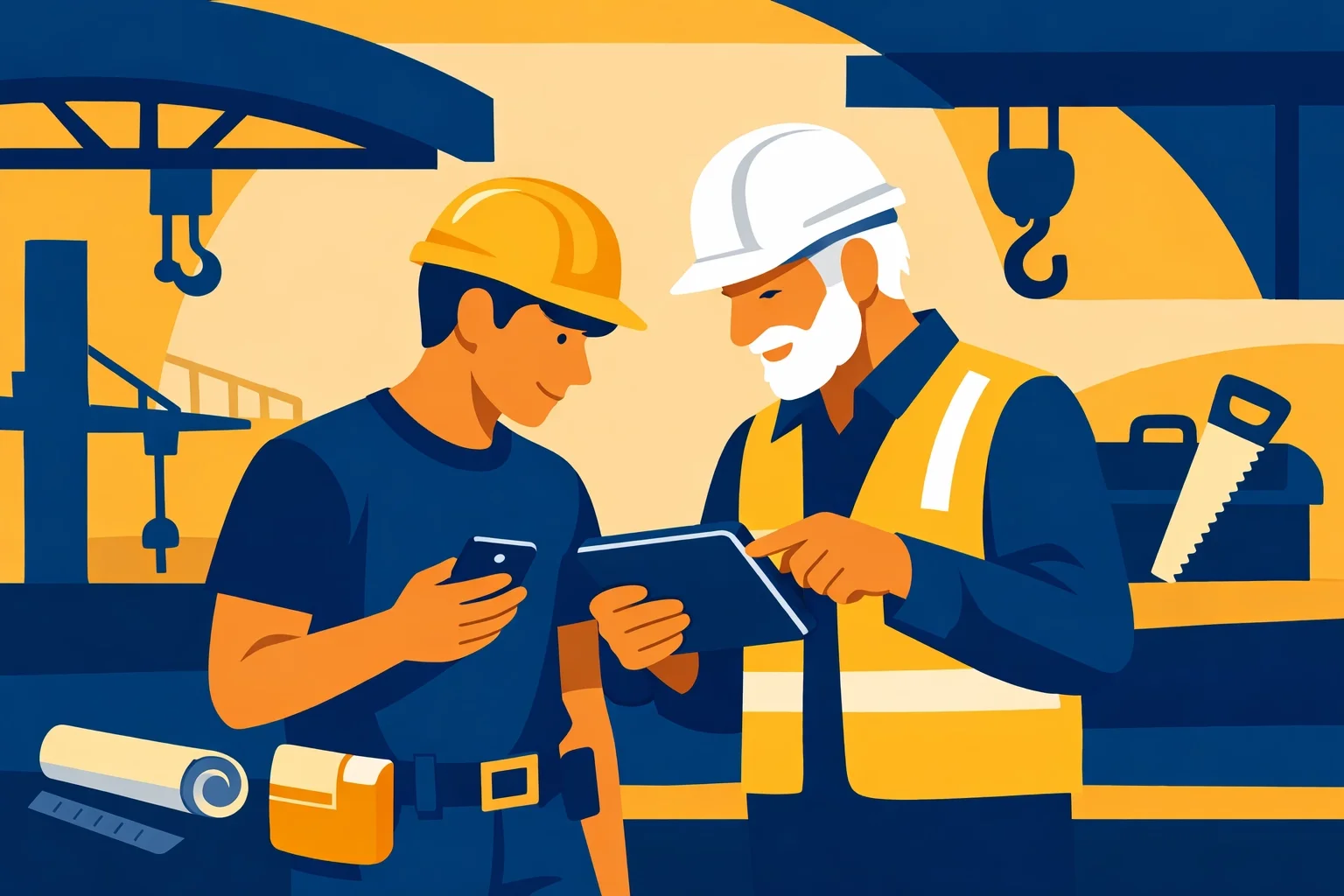
That means the "sink or swim" approach to training needs to be retired along with the Boomers. Gen Z responds better to structured mentorship programs where they can learn from experienced workers while also bringing their own fresh perspectives to the table.
They also expect feedback: and not just the annual performance review kind. They want ongoing communication about how they're doing and what they can improve. Managing scattered crews becomes easier when you have systems in place for regular check-ins and transparent communication.
Here's the silver lining: Gen Z's desire for mentorship creates a perfect opportunity to capture institutional knowledge before it retires. Pair your veteran workers with younger apprentices in formal mentorship programs. Document processes. Create training videos. Use this transition period to build a knowledge base that will outlast any single employee.
The Trade School Renaissance
There's a quiet revolution happening: Gen Z is looking at four-year college degrees and seeing the same thing: massive student debt and uncertain job prospects. Meanwhile, they're looking at the trades and seeing something completely different: high-paying careers without the financial burden.
Electricians, plumbers, HVAC technicians, and other skilled trades can make solid money, often matching or exceeding what many college graduates earn. And they get to start earning (and learning) right away instead of spending four years in debt.
The narrative is shifting. For years, the trades were positioned as a "backup plan" if you couldn't make it to college. Now? Smart Gen Z workers are recognizing them as a strategic choice. Why spend $100,000 on a degree when you can get paid to learn a skill that's always in demand?
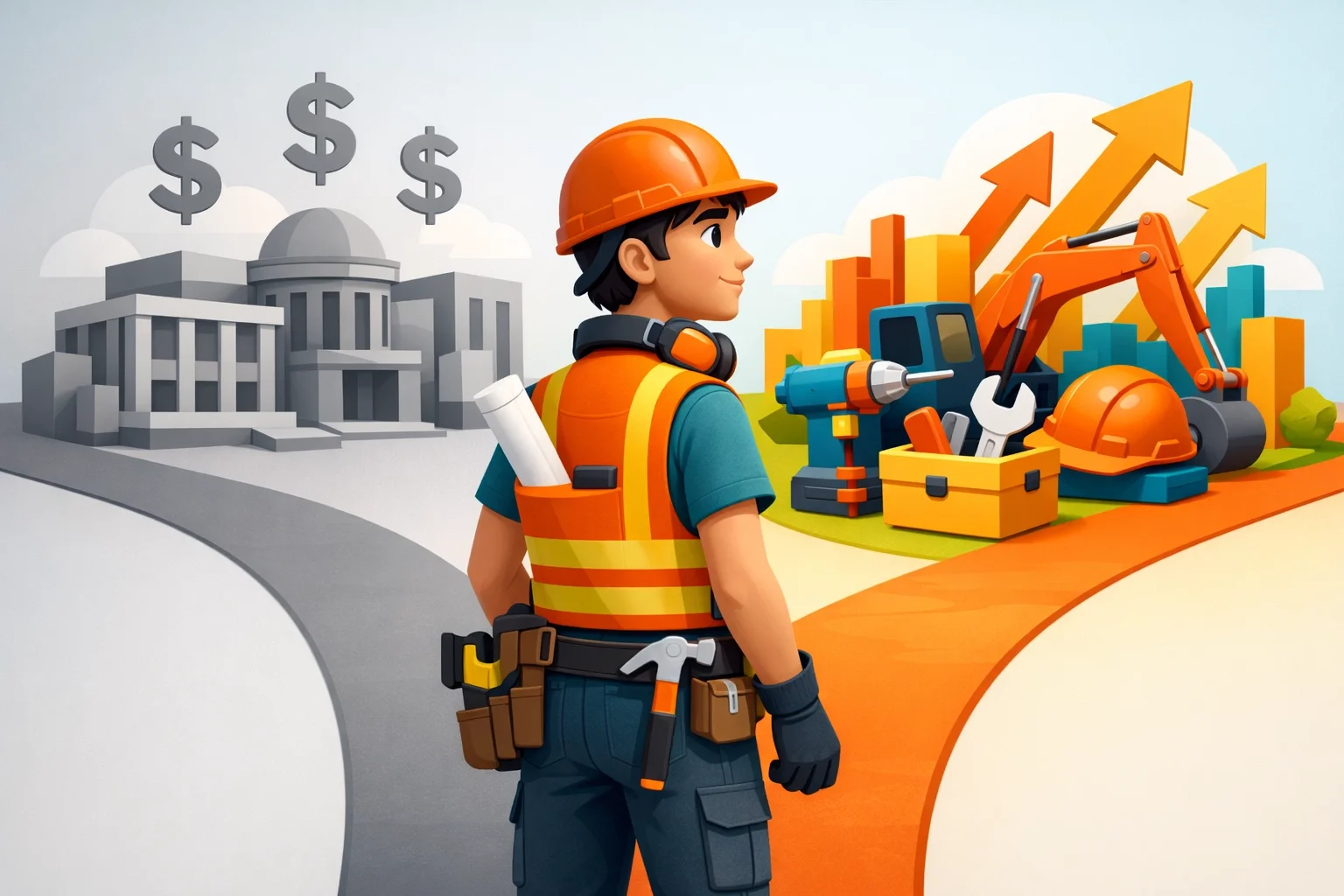
This is your opening. Gen Z is actively seeking alternatives to traditional education paths, and the trades offer exactly what they're looking for: practical skills, earning potential, and career stability. But you need to meet them where they are.
That means recruiting on social media platforms, creating content that showcases the modern side of the trades, and yes: highlighting the technology you use. A company that talks about its tech trends looks a lot more appealing than one that leads with "hard work and long hours."
Show Them the Money (and the Path)
Gen Z is incredibly pay-aware. They expect salary transparency upfront, not vague promises of "competitive pay." They've grown up researching everything online, so they're already comparing what different companies offer before they even apply.
But money isn't everything. They also want to see a clear advancement path. What does success look like at your company? How long does it take to move from apprentice to journeyman to foreman? What skills do they need to develop?
Using performance metrics isn't just about managing your current team: it's about showing potential hires that you have objective, fair systems for recognizing and rewarding good work. Gen Z trusts data over promises.
Create clear job descriptions that outline not just responsibilities but also growth opportunities. Show them what their career could look like in one year, three years, five years. Make it real and specific, not just corporate jargon.
The Labor Sync Advantage
Here's where the rubber meets the road. If you want to attract Gen Z workers, you need to operate like a modern business. That means having systems in place that make everyone's lives easier: from the field crews to the office staff.
Labor Sync is built exactly for this moment. It's mobile-first, which means your crew can do everything from their phones: the device they already have in their pocket. Clock in, check schedules, communicate with the team, and access job information. It's simple, intuitive, and it works.
To Gen Z, a company that uses Labor Sync sends a clear message: "We're organized, we're modern, and we respect your time." It shows that you've invested in tools that make work easier, not harder. That matters when you're competing for talent.
And it's not just about looking good: it genuinely makes the job better. Less time on paperwork means more time learning actual skills. Better visibility into operations means clearer communication and fewer frustrations. Streamlined processes mean everyone can focus on doing good work instead of fighting with broken systems.
Make the Shift Now
The longer you wait to modernize your recruitment and operations, the harder it becomes to compete. Companies that embrace Gen Z's expectations: for technology, transparency, mentorship, and clear growth paths: are going to win the talent war. Those that don't? They'll keep wondering why they can't find good workers.
The truth is, the good workers are out there. They're just looking for companies that look like they belong in 2026, not 2006. They want to use their phones, not clipboards. They want mentors, not just bosses. And they want to see a future, not just a paycheck.
The trades aren't dying: they're evolving. And the companies that evolve with them are the ones that will thrive. Start by taking an honest look at your operations. Do you look like a company a tech-savvy 22-year-old would be excited to join? If not, it's time to make some changes.
Because here's the reality: Gen Z is coming into the workforce whether you're ready or not. The question is whether they'll be working for you or for your competition.