Drones, Bots, and Hardhats
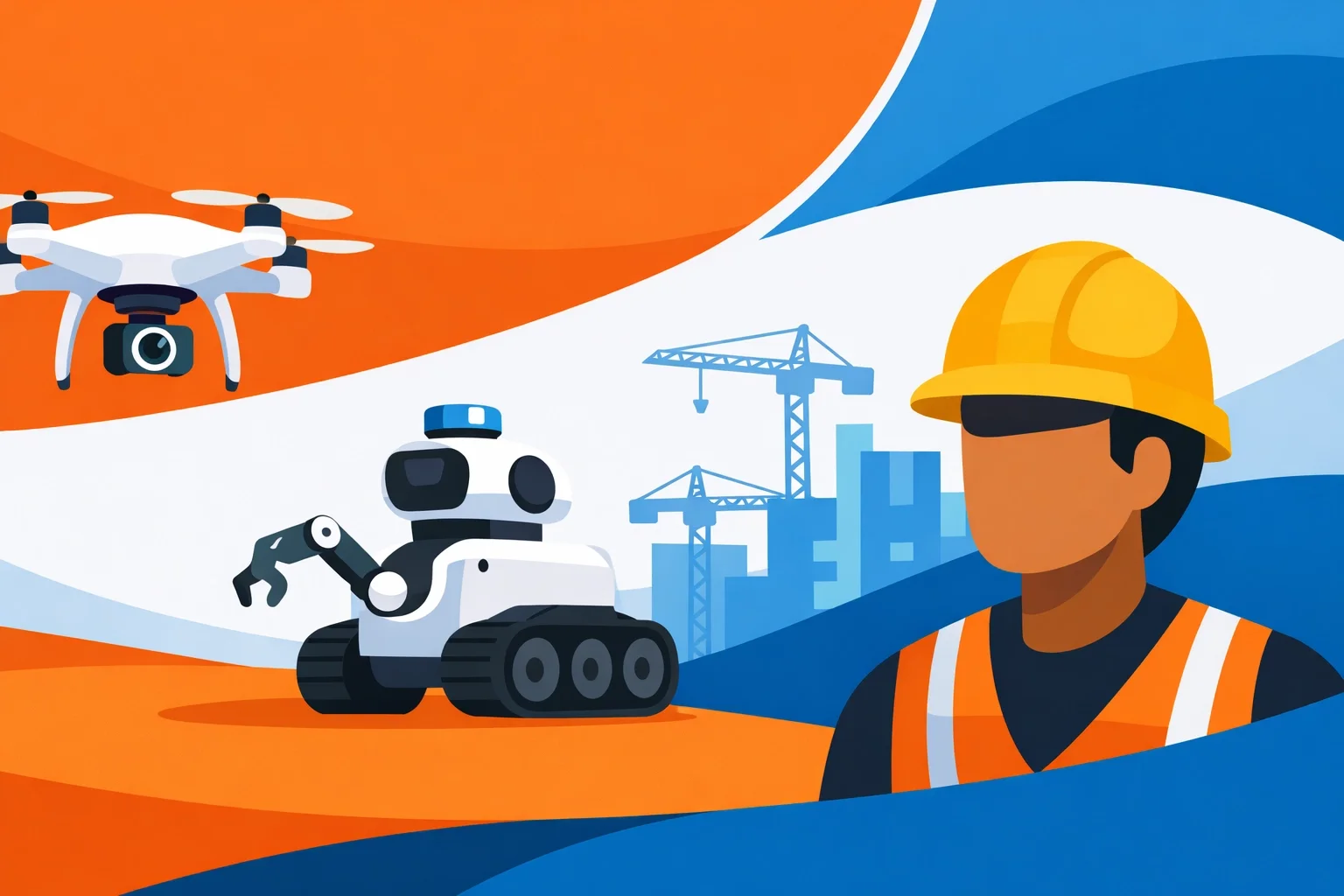
If you told a contractor from 2016 that their 2026 jobsite would have flying cameras, bricklaying robots, and hardhats that call for help when someone falls, they'd probably think you were pitching a science fiction movie. But here we are, living in that future, and honestly? It's pretty cool.
Construction sites are getting a serious tech makeover, and it's not just about looking futuristic. The hardware hitting jobsites right now is solving real problems: keeping crews safer, cutting down on delays, and making projects run smoother from start to finish. Let's break down the gadgets making the biggest impact in 2026.
Eyes in the Sky: How Drones Are Changing the Game
Remember when getting aerial photos of a jobsite meant hiring a helicopter or risking your neck climbing to the highest point? Yeah, those days are done. Drones have basically become the MVP of site monitoring, and they're getting smarter every year.
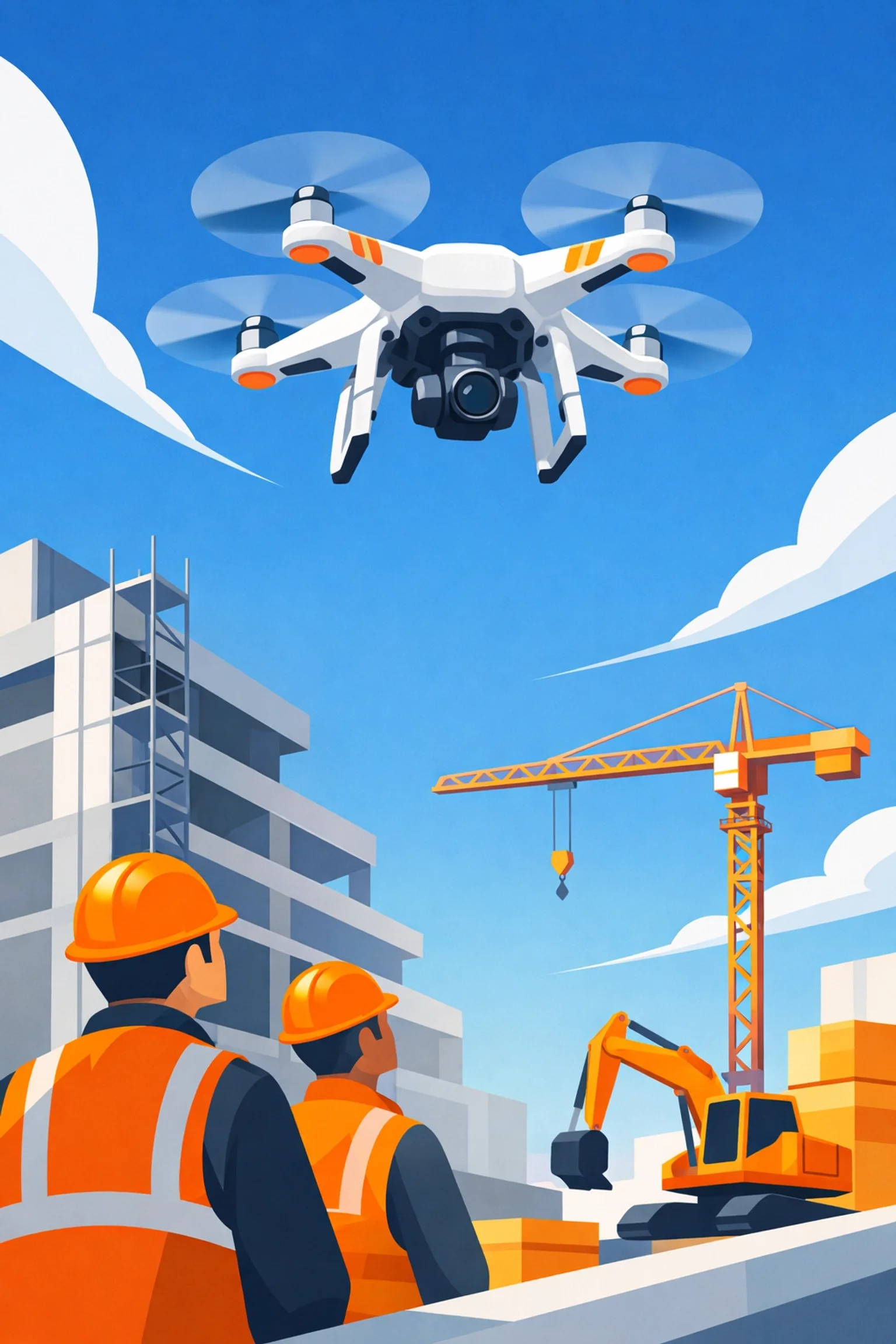
Site surveying used to take days. Now? A drone can map an entire site in a couple of hours, giving you accurate topography data without a crew spending all week walking the perimeter with measuring equipment. The research shows drones can knock out survey work 60-70% faster than traditional methods. That's not just cool: that's money back in your pocket.
Progress tracking gets a major upgrade too. Instead of someone walking around with a camera trying to document what got done each week, a drone does a quick flyover and captures everything. You get a bird's-eye view of the whole operation, perfect for comparing against your timeline or showing clients exactly where things stand. No more "I think we're about 70% done" guesswork.
But here's where drones really shine: safety inspections. Need to check if scaffolding on the fifth floor is secure? Want to inspect a roof without sending someone up a ladder? Drones with high-def cameras (and even thermal imaging) can spot problems from the air: structural issues, improperly stored materials, unstable areas: all without putting a single person in harm's way. Companies like Skanska and Turner Construction are already using drones to monitor high-risk areas and keep tabs on safety protocol compliance. The results speak for themselves: fewer accidents, faster hazard identification, and way less stress for everyone involved.
Robots That Actually Earn Their Keep
When most people hear "construction robots," they picture Terminator-style machines taking over jobsites. The reality is way less dramatic and way more useful. Today's construction bots: especially the collaborative ones called "cobots": are designed to work alongside humans, not replace them.
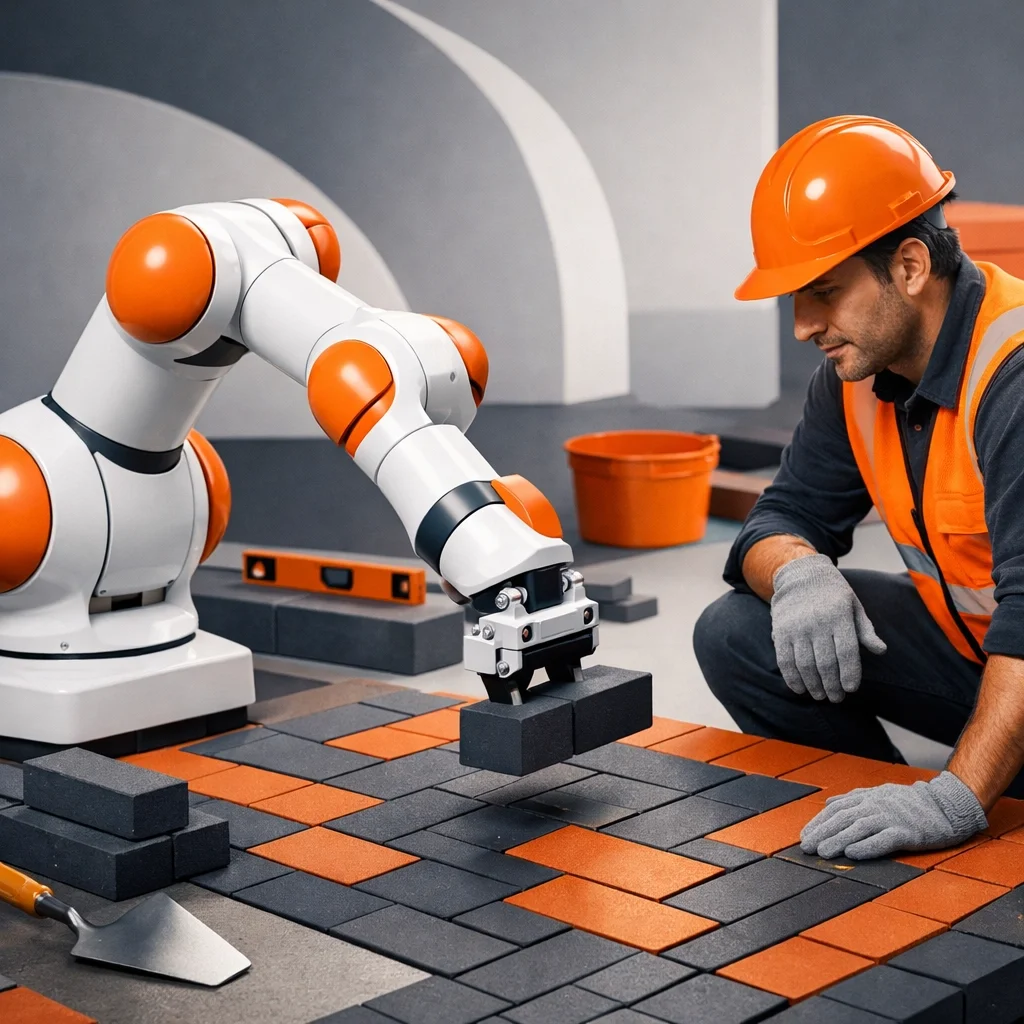
Heavy lifting is where robots first prove their worth. Those awkward, back-breaking tasks like moving steel beams or hoisting materials to upper floors? Robots handle them without complaining about overtime or needing ice packs at the end of the day. This isn't about replacing your crew: it's about keeping them healthy and focused on work that requires actual human judgment and skill.
Then there's repetitive tasks. Bricklaying robots can lay thousands of bricks with perfect precision, hour after hour, without getting tired or making mistakes. One human operator oversees the work, making adjustments and handling the complex stuff, while the robot handles the grunt work. It's like having an extra set of hands that never needs a coffee break.
Demolition robots are the unsung heroes on dangerous jobsites. They can work in confined spaces, unstable structures, or areas with falling debris: places where sending a person would be genuinely risky. Projects like the one at M&T Bank Stadium used demolition robots to handle hazardous teardown work without putting anyone in danger.
The real magic happens when drones and robots team up. Drones provide the aerial view and data, while robots on the ground handle the physical work. It's like having a coordinator in the sky guiding the muscle on the ground: efficiency on steroids. This kind of setup has helped construction companies cut project timelines and dramatically reduce workplace injuries. Less downtime, fewer compensation claims, happier crews. Everyone wins.
Looking to coordinate multiple crews across different sites? Check out our guide on managing multiple jobsites for more strategies.
Smart Hardhats and Wearables: Your Crew's Personal Safety Net
Hardhats have come a long way from just being a hard shell to protect your noggin. In 2026, they're basically mini computers monitoring everything from environmental conditions to the person wearing them.
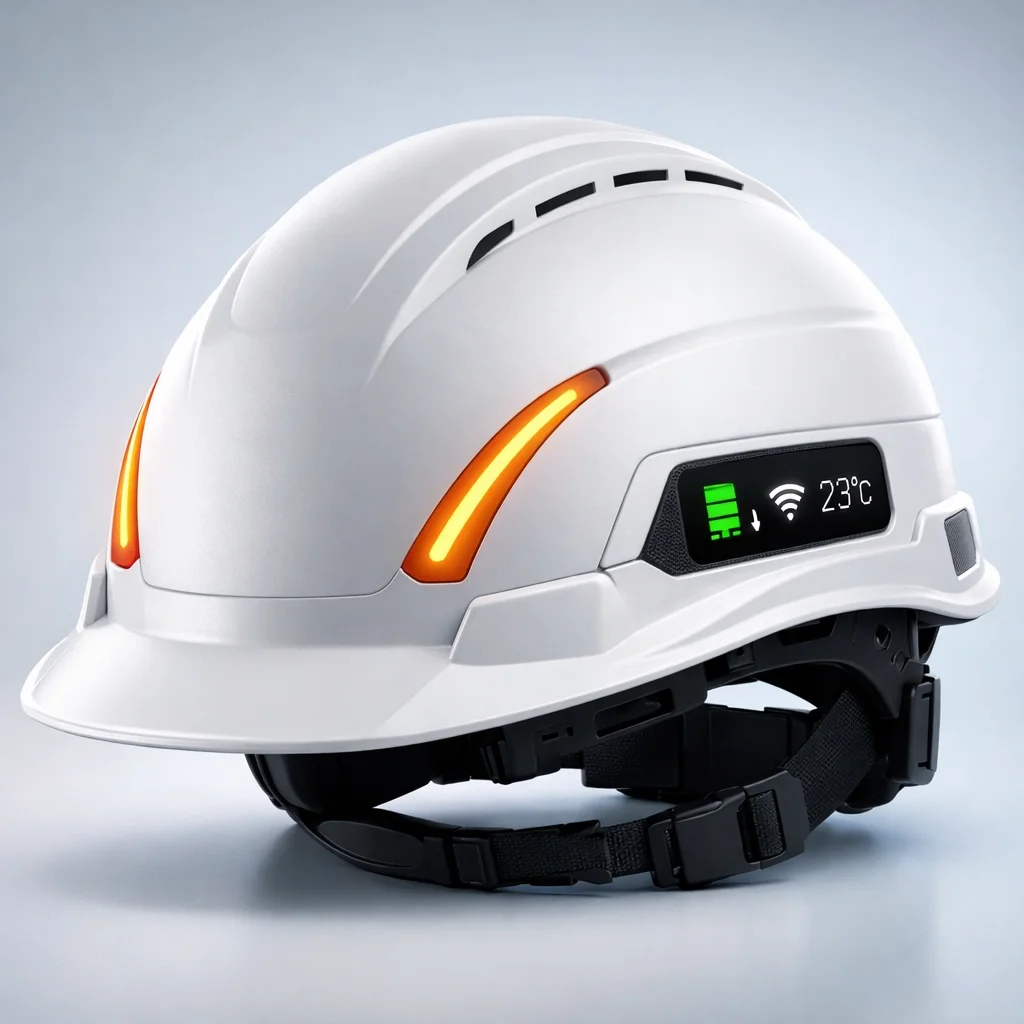
Smart hardhats with embedded sensors can track vital signs like heart rate and body temperature. If someone's overheating in the summer sun or showing signs of exhaustion, supervisors get an alert before it becomes a medical emergency. It's like having a health monitor for every person on site, catching problems early when they're still fixable.
Fall detection is another game-changer. Wearables can detect when someone takes a tumble and automatically alert emergency services and on-site management. Every second counts in an accident, and these devices eliminate the scary scenario where someone falls in a remote corner of the site and nobody notices for critical minutes (or worse, hours).
Some wearables also monitor environmental conditions around workers: things like hazardous gas levels, noise exposure, or air quality. If conditions get dangerous, the device alerts the worker and supervisors immediately. It's preventive safety instead of reactive safety, which is always the better option.
The data these wearables collect isn't just about emergencies. Over time, you build a picture of safety patterns across your jobsites. Which tasks cause the most fatigue? Where are the highest-risk zones? When do most incidents happen? This intel helps you make smarter decisions about crew scheduling, safety protocols, and site organization. You're not guessing anymore: you're using actual data to keep people safe.
Want to dive deeper into using data for better decisions? Our article on making better decisions with visibility has you covered.
The One Gadget Running the Show: The Smartphone
Here's the thing about all this fancy hardware: drones, robots, smart hardhats: they're impressive, but they're basically the "muscles" of a modern jobsite. The real brain? It's the smartphone in every worker's pocket.
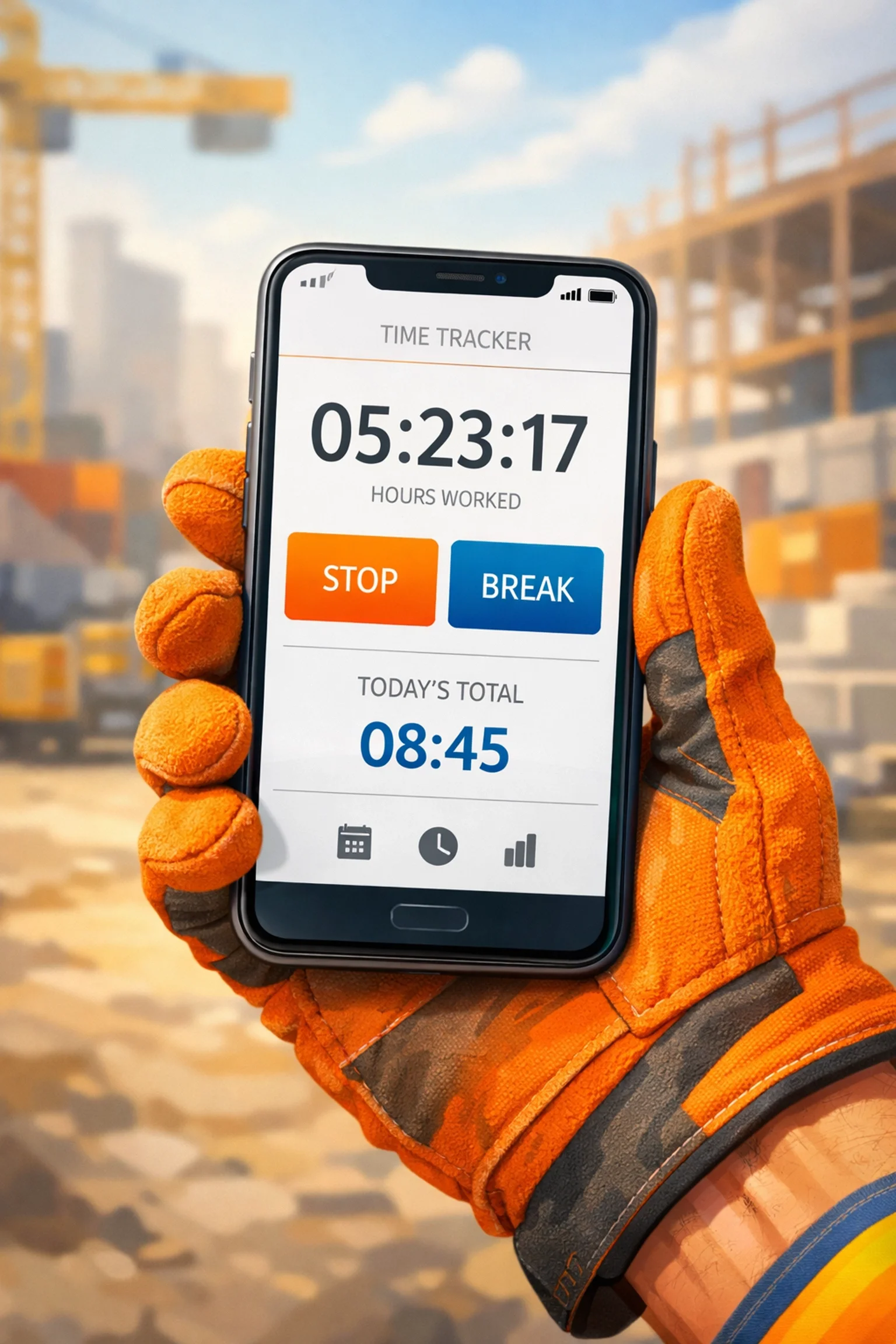
While drones are mapping sites and robots are laying bricks, someone still needs to track who showed up, when they clocked in, where they're working, and how many hours they're logging. That's where Labor Sync comes in. Think of it as the central nervous system connecting all the moving parts of your operation.
Your crew uses their smartphones to clock in and out, log their location, and update job progress in real-time. Meanwhile, you're in the office (or honestly, anywhere with Wi-Fi) watching it all happen live. No more waiting until Friday to figure out who worked where and for how long. No more surprise overtime bills. No more "I thought you were tracking that" conversations.
The best part? While drones need charging stations and robots need maintenance crews, smartphones are something your workers already have and know how to use. You're not asking them to learn some complicated new piece of equipment: you're just giving them an app that makes their workday simpler and your job as a manager way less stressful.
When you're scaling up and visibility becomes a challenge, our post on scaling without losing visibility offers practical solutions.
Putting It All Together
The construction sites of 2026 are legitimately impressive. Drones overhead capturing progress and spotting hazards. Robots on the ground handling the heavy, repetitive, or dangerous work. Wearables keeping tabs on crew safety in real-time. It's a tech showcase that would've blown minds just a decade ago.
But here's what matters most: none of this technology exists just to look cool. Every gadget, every robot, every sensor is solving a specific problem: making jobsites safer, projects faster, and your life as a contractor or manager less chaotic.
And while the hardware gets all the attention, the real coordination happens through something much simpler: the phone your crew already carries. That's where the labor tracking, time management, and real-time visibility come together. The drones and bots might be the muscles, but smart workforce management is the brain making sure everyone and everything works in sync.
The future of construction isn't just about buying the latest gadgets: it's about using smart tools (both the high-tech and the everyday) to build better, safer, faster. And in 2026, that future is already here.
Curious how streamlined processes can save you money? Check out our breakdown on streamlining to cut costs. Or explore the broader tech trends shaping mobile workforces this year.