Managing the Generational Gap on the Jobsite
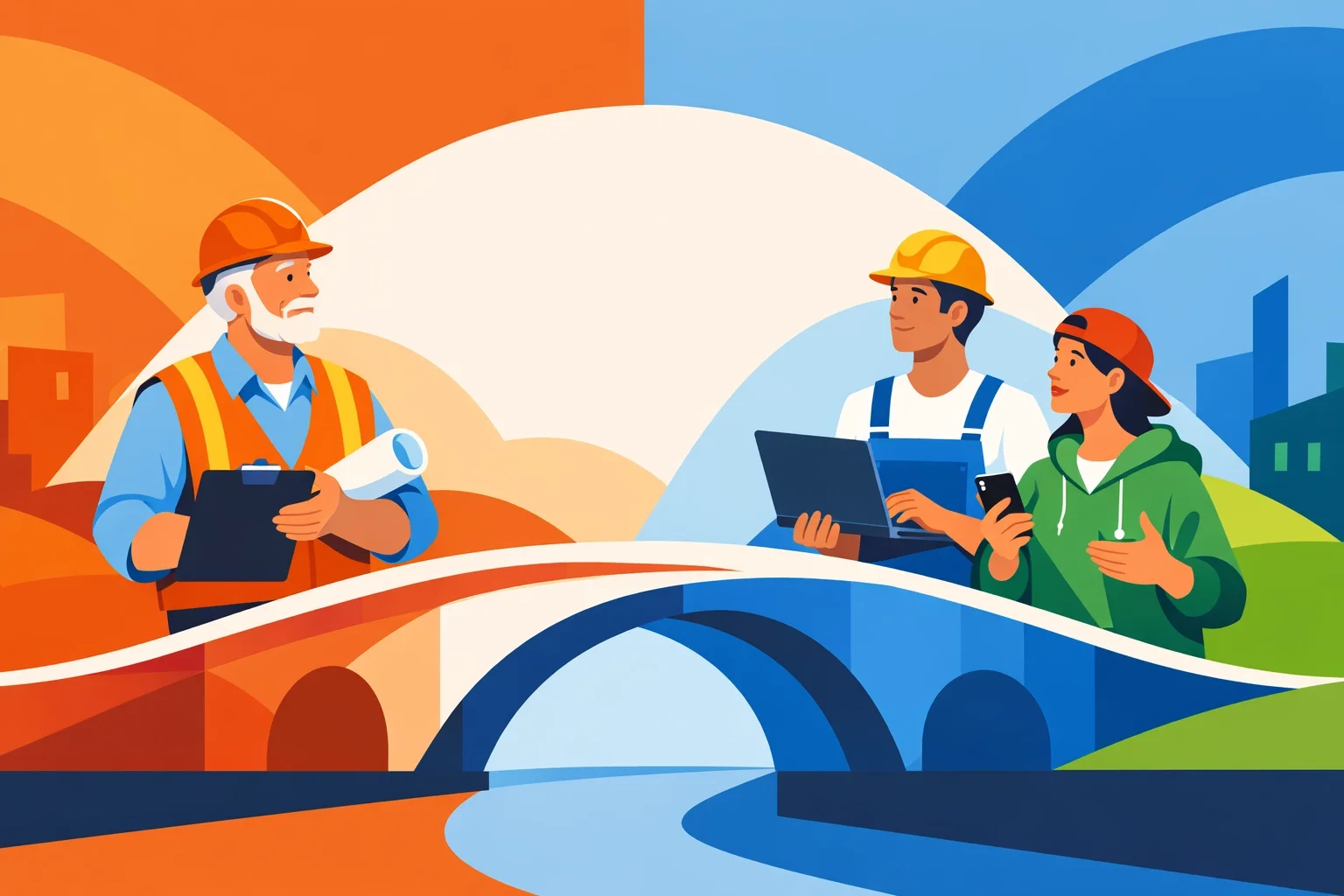
You've probably noticed it on your jobsite: the 55-year-old foreman who still carries a notebook, the 28-year-old crew lead who wants everything on his phone, and the 19-year-old apprentice who can't understand why anyone would use anything but their phone.
Welcome to the multigenerational workforce. It's not new, but it's definitely more noticeable than it used to be: and if you're managing a field team, you're probably wondering how to keep everyone on the same page when they don't even speak the same language (literally and figuratively).
Here's the thing: the generational gap isn't actually about age. It's about expectations, communication styles, and how people are wired to think about work. And the good news? You don't need to pick a side. You just need to understand what makes each generation tick: and build systems that work for everyone.
The Cast of Characters on Your Jobsite
Let's break down who's actually out there, without the tired stereotypes.
Baby Boomers (born 1946-1964) are your seasoned pros. They've seen it all, done it all, and probably have the scars to prove it. They value loyalty, face-to-face communication, and a solid day's work. They didn't grow up with smartphones, and honestly, they don't see why they need one when a clipboard and a walkie-talkie have worked fine for 30 years.
Gen X (born 1965-1980) is your middle management crew. They're the bridge generation: comfortable with technology but not married to it. They remember life before the internet but adapted just fine. They value independence, direct communication, and they really, really value their personal time. Work-life balance isn't a buzzword for them: it's a lifestyle.
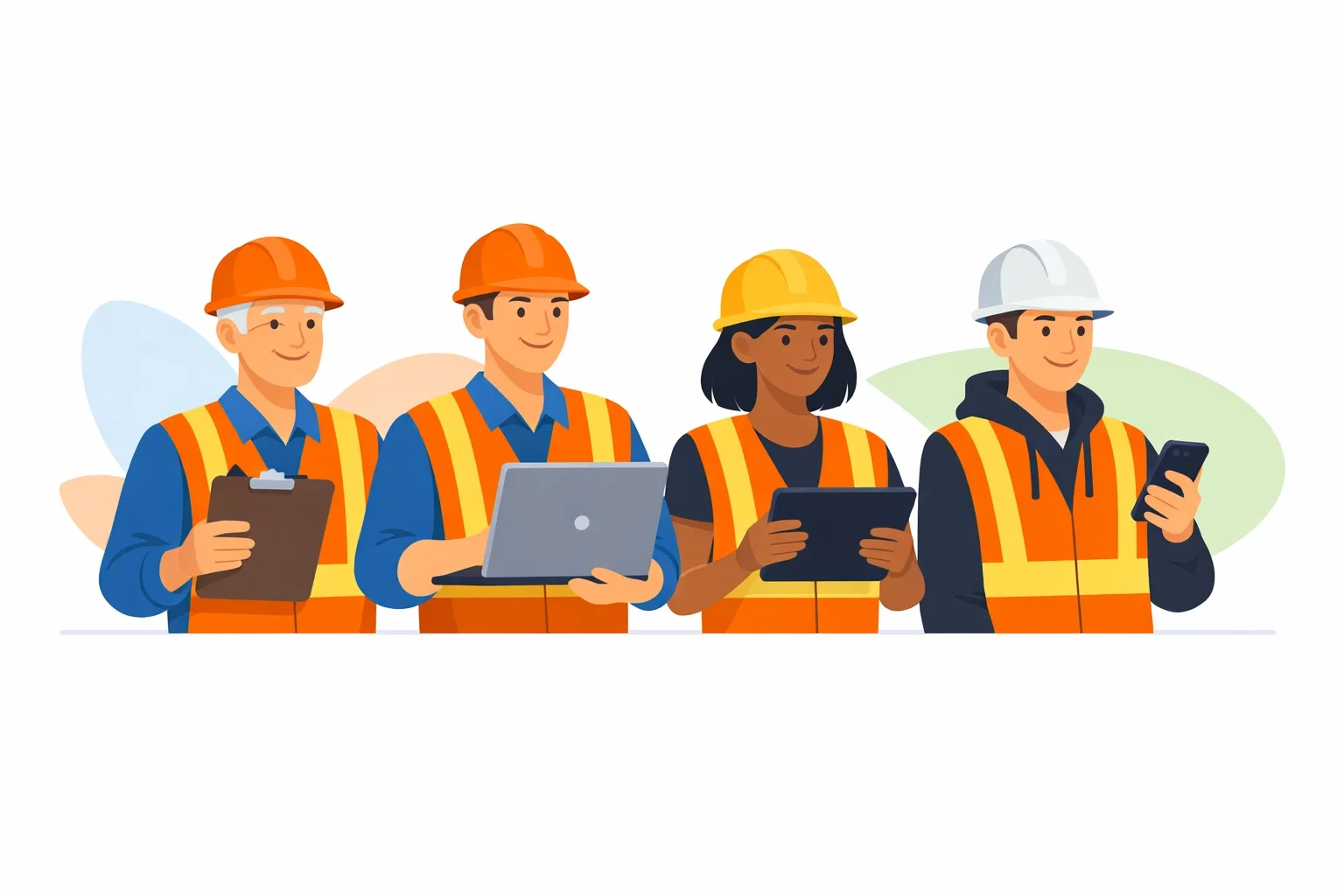
Millennials (born 1981-1996) are your tech-savvy crew leads and project managers. They grew up as technology evolved, so they're comfortable learning new tools. They want to know why something matters, they value collaboration, and they expect regular feedback. They're also juggling student loans, family responsibilities, and the pressure of making better decisions without drowning in spreadsheets.
Gen Z (born 1997-2012) is just entering the workforce, and they're digital natives. They've never known a world without smartphones. They expect real-time information, instant communication, and they're not afraid to job-hop if something better comes along. Mental health matters to them. Purpose matters to them. And waiting until Friday to find out how many hours they worked? That feels absolutely archaic.
The Real Challenge Isn't Age: It's Assumptions
The biggest problem on multigenerational jobsites isn't that people are different ages. It's that everyone makes assumptions about what those differences mean.
The Boomer thinks the Gen Z kid is glued to his phone because he's lazy: when actually, he's checking the job specs you sent him on the group chat. The Gen Z worker thinks the Boomer is being stubborn about using new tools: when actually, he just needs someone to show him how it works without making him feel stupid.
Neither one is wrong. They're just coming from different places.
And this is where a lot of field businesses struggle. You want to modernize because tech trends are making mobile workforce management easier, but you don't want to alienate your most experienced workers. You want to attract young talent, but you can't afford to lose the institutional knowledge your senior team brings.
So what do you do?
Practical Ways to Bridge the Gap
Stop treating technology like a generational divider. The truth is, Boomers aren't afraid of technology: they're afraid of complicated technology. If you hand someone a clunky system with seventeen steps to clock in, yeah, they're going to resist it. But if you show them something simple that actually makes their job easier? They'll use it.
The goal isn't to force everyone onto the same platform for the sake of it. The goal is to find tools that make life easier for everyone: whether they're 25 or 65.
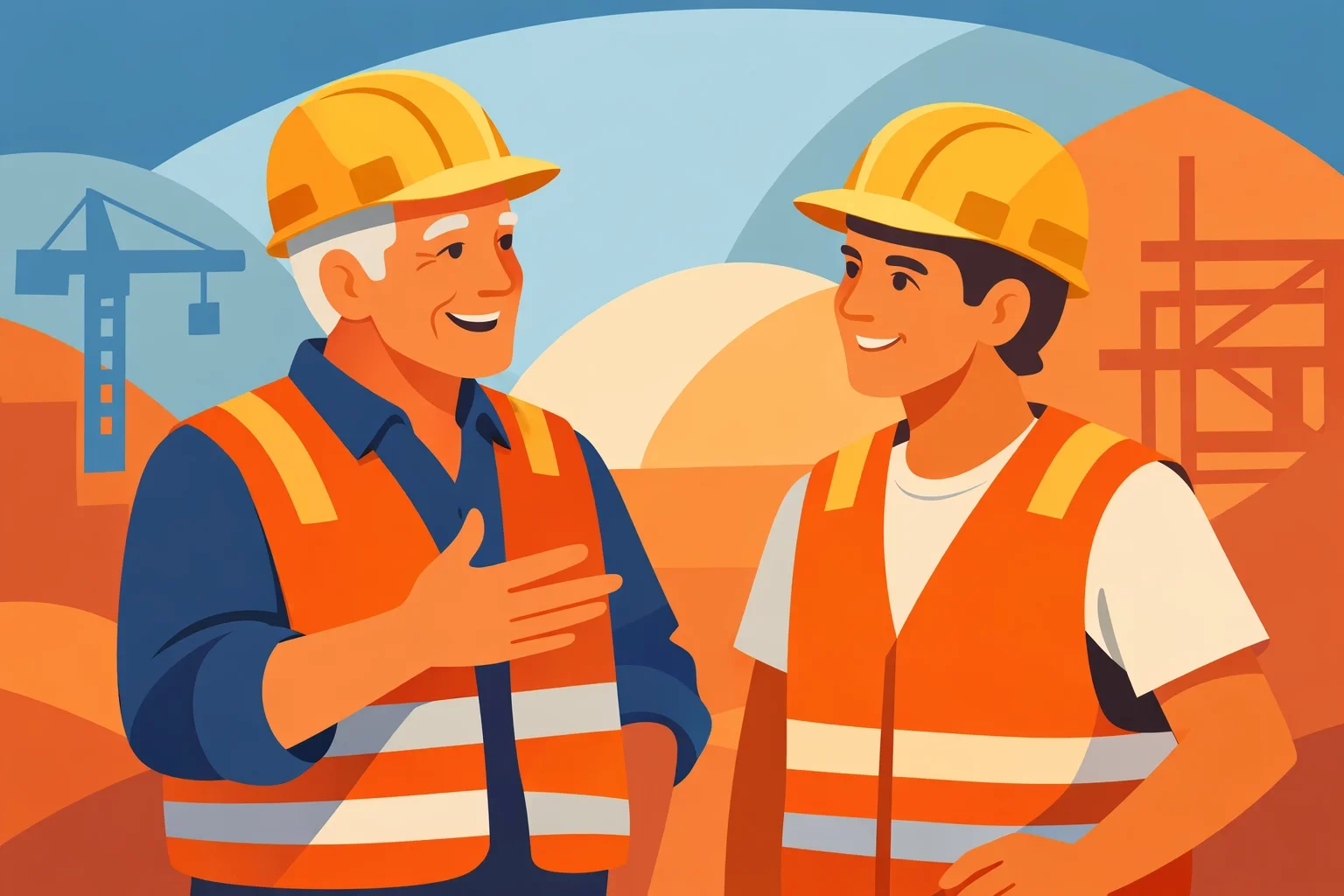
Pair people up, not by age, but by skill. Your experienced foreman doesn't need to learn TikTok, but he probably has a lot to teach a younger worker about reading blueprints or managing client expectations. Meanwhile, that younger worker can show him how to use a timesheet app in about 90 seconds. It's not "reverse mentoring" or whatever corporate buzzword you want to slap on it: it's just people helping people.
Communicate in multiple ways. Some people want a text. Some people want a phone call. Some people want a quick huddle at the start of the day. And you know what? That's fine. You don't have to pick one. The key is consistency: everyone needs the same information, even if they receive it differently.
Focus on the outcome, not the method. At the end of the day, it doesn't matter if someone writes their hours on paper or taps them into an app. What matters is that you have accurate data so you can track field performance without micromanaging. As long as the information gets where it needs to go, let people work the way that makes sense for them: within reason.
Where the Right Tools Actually Help
Here's where things get interesting. A lot of businesses think they have to choose: either go full digital and risk losing their older workers, or stick with paper and frustrate everyone under 40.
But that's a false choice.
The right system doesn't force anyone to change how they think: it just removes the friction. Your Boomer foreman can clock in with a simple tap. Your Gen Z apprentice can see real-time hours and job codes from his phone. Your Gen X crew lead can approve timesheets without digging through a filing cabinet. Everyone gets what they need, and nobody has to fight the system to do their job.
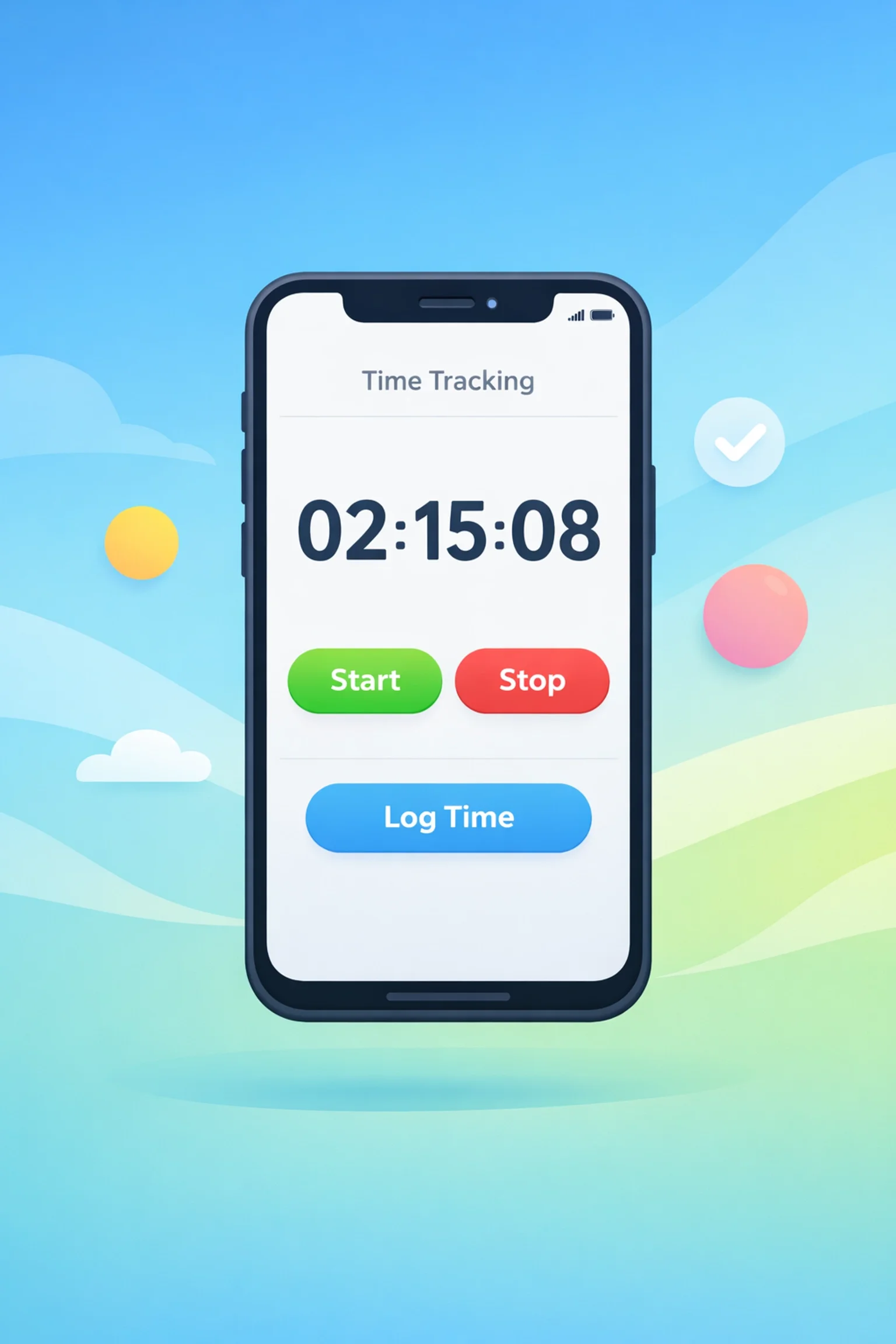
That's the whole point of something like Labor Sync. It's not about cramming features into an app. It's about making time tracking so simple that nobody has to think about it: whether you've been in the trades for three decades or three months.
Because here's the reality: the younger generation isn't going to suddenly fall in love with paper timesheets. And the older generation isn't going to magically become tech evangelists. What you can do is meet everyone in the middle with tools that are intuitive enough for anyone to use.
The Tools Change. The Job Doesn't.
At the end of the day, every generation on your jobsite wants the same thing: to do good work, get paid fairly, and go home without a headache.
The clipboard-carrying foreman and the smartphone-toting apprentice both care about getting the job done right. They both care about fairness and transparency. They both get frustrated when systems waste their time or create confusion.
The generational gap isn't about work ethic or values: it's about tools and communication styles. And once you stop treating those differences like problems and start treating them like preferences, everything gets a lot easier.
You don't need to turn your seasoned pros into app developers. You don't need to force your younger workers to embrace the "good old days." You just need systems that work for everyone: systems that are simple, clear, and don't get in the way of the actual work.
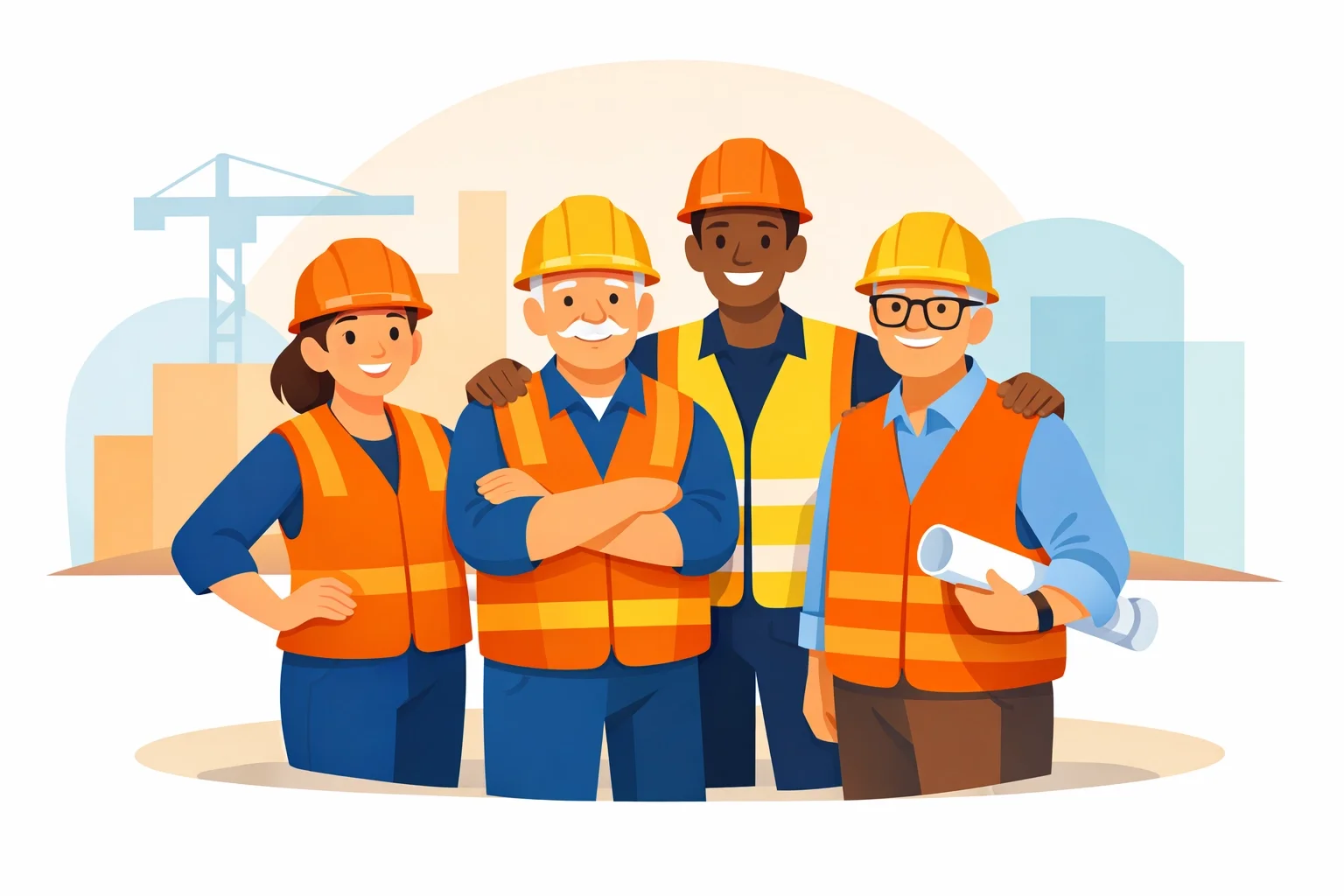
Because whether you're clocking in with a paper timecard or tapping a button on your phone, the goal is still the same: show up, do the work, and make sure everyone gets paid accurately for the hours they put in.
When your tools support that goal instead of complicating it, the generational gap stops being a problem. It just becomes what it always was: a team of people with different experiences, working toward the same outcome.
And honestly? That's when you get your best work.
Managing a team that spans generations? The secret isn't picking sides: it's finding systems that work for everyone. Labor Sync is built to be simple enough for anyone to use, with the real-time data and clarity that modern field teams need. Less friction, better visibility, and nobody fighting with a complicated system.